
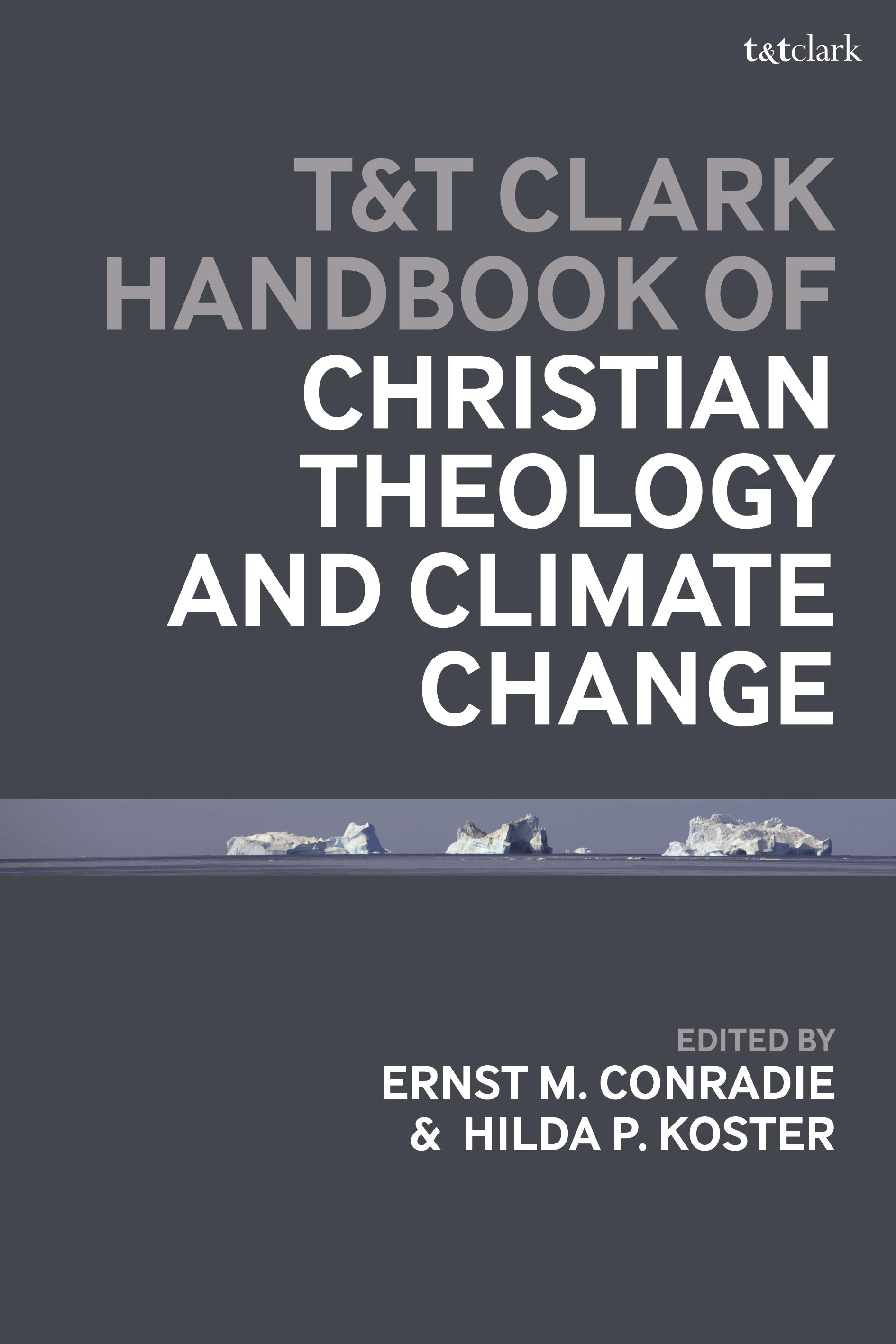
The T&T Clark Handbook of Christian Theology and Climate Change entails a wide-ranging conversation between Christian theology and various other discourses on climate change. Given the far-reaching complicity of "North Atlantic Christianity" in anthropogenic climate change, the question is whether it can still collaborate with and contribute to ongoing mitigation and adaptation efforts. The main essays in this volume are written by leading scholars from within North Atlantic Christianity and addressed primarily to readers in the same context; these essays are critically engaged by respondents situated in other geographic regions, minority communities, non-Christian traditions, or non-theological disciplines.
Structured in seven main parts, the handbook explores: 1) the need for collaboration with disciplines outside of Christian theology to address climate change; 2) the need to find common moral ground for such collaboration; 3) the difficulties posed by collaborating with other Christian traditions from within; 4) the questions that emerge from such collaboration for understanding the story of God's work; and 5) God's identity and character; 6) the implications of such collaboration for ecclesial praxis; and 7) concluding reflections examining whether this volume does justice to issues of race, gender, class, other animals, religious diversity, geographical divides and carbon mitigation.
This rich ecumenical, cross-cultural conversation provides a comprehensive and in-depth engagement with the theological and moral challenges raised by anthropogenic climate change.
Structured in seven main parts, the handbook explores: 1) the need for collaboration with disciplines outside of Christian theology to address climate change; 2) the need to find common moral ground for such collaboration; 3) the difficulties posed by collaborating with other Christian traditions from within; 4) the questions that emerge from such collaboration for understanding the story of God's work; and 5) God's identity and character; 6) the implications of such collaboration for ecclesial praxis; and 7) concluding reflections examining whether this volume does justice to issues of race, gender, class, other animals, religious diversity, geographical divides and carbon mitigation.
This rich ecumenical, cross-cultural conversation provides a comprehensive and in-depth engagement with the theological and moral challenges raised by anthropogenic climate change.
Betaal eenvoudig met kaart, Klarna, Apple Pay of Google Pay. Niet tevreden? Je hebt altijd 14 dagen bedenktijd. Lees meer in onze voorwaarden. Heb je vragen, mail ons dan via hello@memmo.org.
Memmo maakt studeren makkelijker – waar je ook bent ter wereld. Wij brengen je cursusboeken en slimme studietools samen op één plek: samenvattingen, quizzen, podcasts en flashcards. En Ted, je studievriend die antwoord geeft op alles wat je je afvraagt. Meer dan 50.000 studenten studeren hier al – gebouwd om je sneller te laten leren en minder stress te geven.