
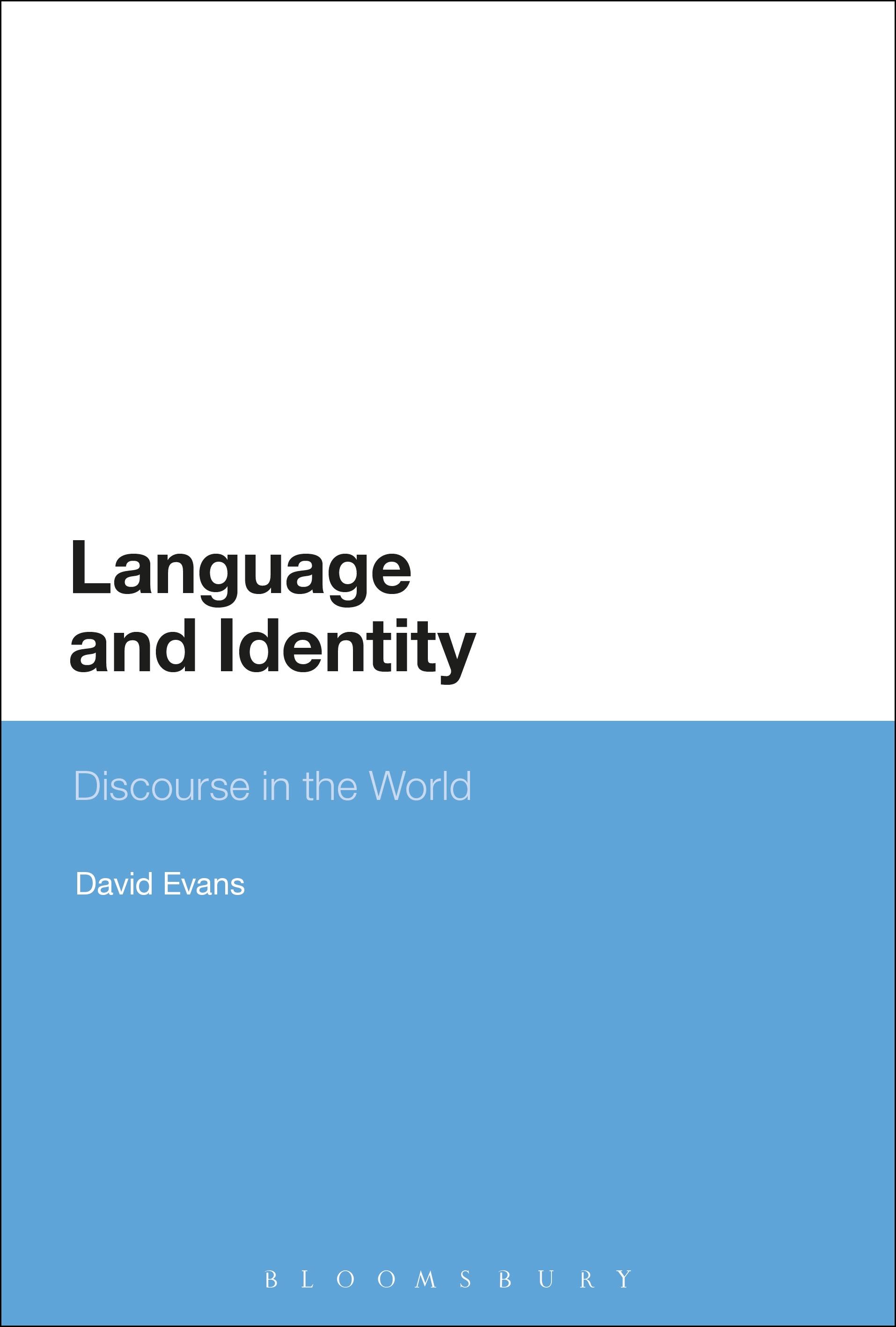
Language not only expresses identities but also constructs them. Starting from that point, Language and Identity examines the interrelationships between language and identities. It finds that they are so closely interwoven, that words themselves are inscribed with ideological meanings.
Words and language constitute meanings within discourses and discourses vary in power. The powerful ones reproduce more powerful meanings, colonize other discourses and marginalize or silence the least powerful languages and cultures. Language and culture death occur in extreme cases of marginalization.
This book also demonstrates the socio-economic opportunities offered by language choice and the cultural allegiances of language, where groups have been able to create new lives for themselves by embracing new languages in new countries. Language can be a 'double-edged sword' of opportunity and marginalization. Language and Identity argues that bilingualism and in some cases multilingualism can both promote socio-economic opportunity and combat culture death and marginalization.
With sound theoretical perspectives drawing upon the work of Bakhtin, Vygotsky, Gumperz, Foucault and others, this book provides readers with a rationale to redress social injustice in the world by supporting minority linguistic and cultural identities and an acknowledgement that access to language can provide opportunity.
Words and language constitute meanings within discourses and discourses vary in power. The powerful ones reproduce more powerful meanings, colonize other discourses and marginalize or silence the least powerful languages and cultures. Language and culture death occur in extreme cases of marginalization.
This book also demonstrates the socio-economic opportunities offered by language choice and the cultural allegiances of language, where groups have been able to create new lives for themselves by embracing new languages in new countries. Language can be a 'double-edged sword' of opportunity and marginalization. Language and Identity argues that bilingualism and in some cases multilingualism can both promote socio-economic opportunity and combat culture death and marginalization.
With sound theoretical perspectives drawing upon the work of Bakhtin, Vygotsky, Gumperz, Foucault and others, this book provides readers with a rationale to redress social injustice in the world by supporting minority linguistic and cultural identities and an acknowledgement that access to language can provide opportunity.
Betaal eenvoudig met kaart, Klarna, Apple Pay of Google Pay. Niet tevreden? Je hebt altijd 14 dagen bedenktijd. Lees meer in onze voorwaarden. Heb je vragen, mail ons dan via hello@memmo.org.
Memmo maakt studeren makkelijker – waar je ook bent ter wereld. Wij brengen je cursusboeken en slimme studietools samen op één plek: samenvattingen, quizzen, podcasts en flashcards. En Ted, je studievriend die antwoord geeft op alles wat je je afvraagt. Meer dan 50.000 studenten studeren hier al – gebouwd om je sneller te laten leren en minder stress te geven.