
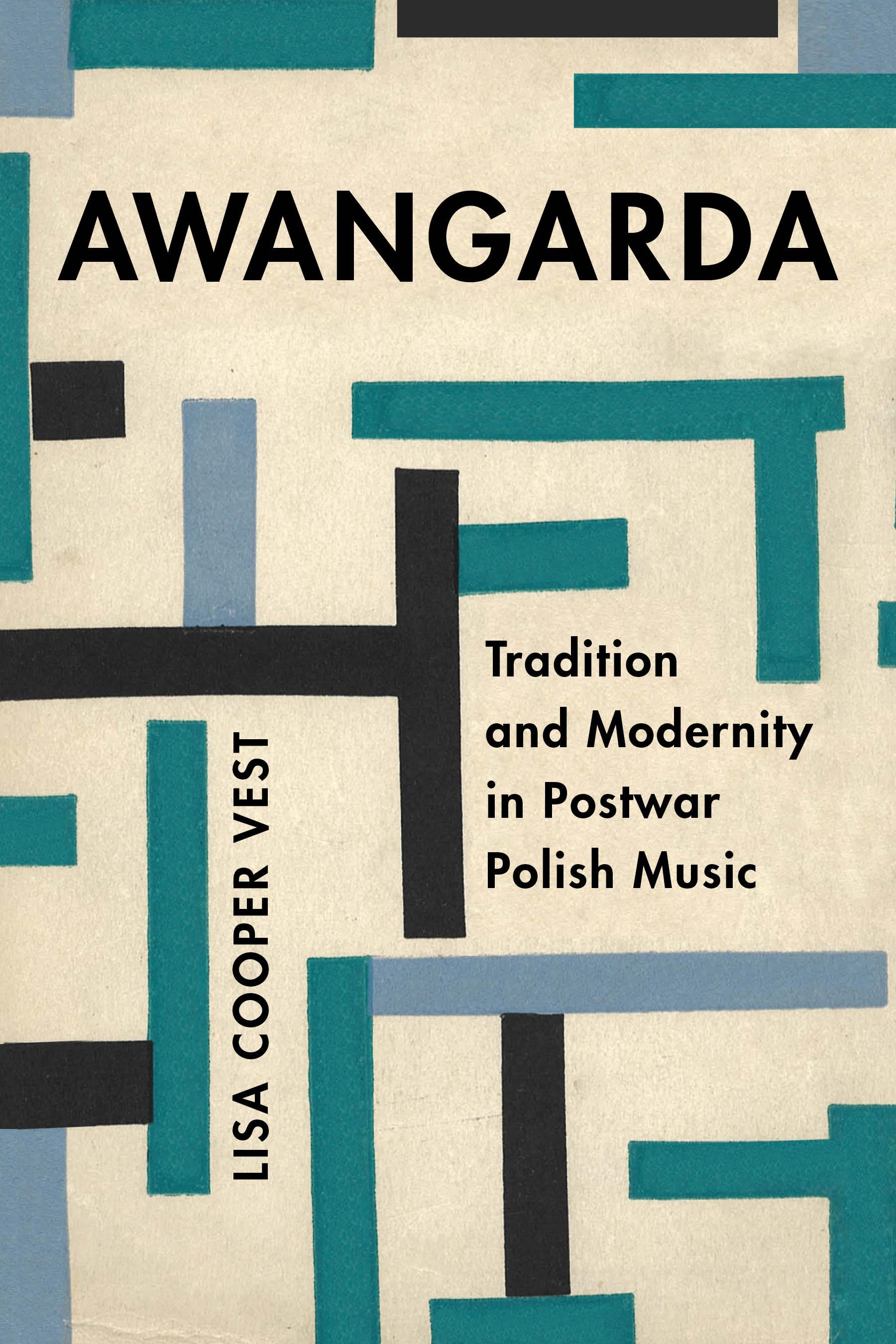
In Awangarda, Lisa Cooper Vest explores how the Polish postwar musical avant-garde framed itself in contrast to its Western European counterparts. Rather than a rejection of the past, the Polish avant-garde movement emerged as a manifestation of national cultural traditions stretching back into the interwar years and even earlier into the nineteenth century. Polish composers, scholars, and political leaders wielded the promise of national progress to broker consensus across generational and ideological divides. Together, they established an avant-garde musical tradition that pushed against the limitations of strict chronological time and instrumentalized discourses of backwardness and forwardness to articulate a Polish road to modernity. This is a history that resists Cold War periodization, opening up new ways of thinking about nations and nationalism in the second half of the twentieth century.
Betaal eenvoudig met kaart, Klarna, Apple Pay of Google Pay. Niet tevreden? Je hebt altijd 14 dagen bedenktijd. Lees meer in onze voorwaarden. Heb je vragen, mail ons dan via hello@memmo.org.
Memmo maakt studeren makkelijker – waar je ook bent ter wereld. Wij brengen je cursusboeken en slimme studietools samen op één plek: samenvattingen, quizzen, podcasts en flashcards. En Ted, je studievriend die antwoord geeft op alles wat je je afvraagt. Meer dan 50.000 studenten studeren hier al – gebouwd om je sneller te laten leren en minder stress te geven.
Misschien vind je dit ook leuk
Koop het boek0