
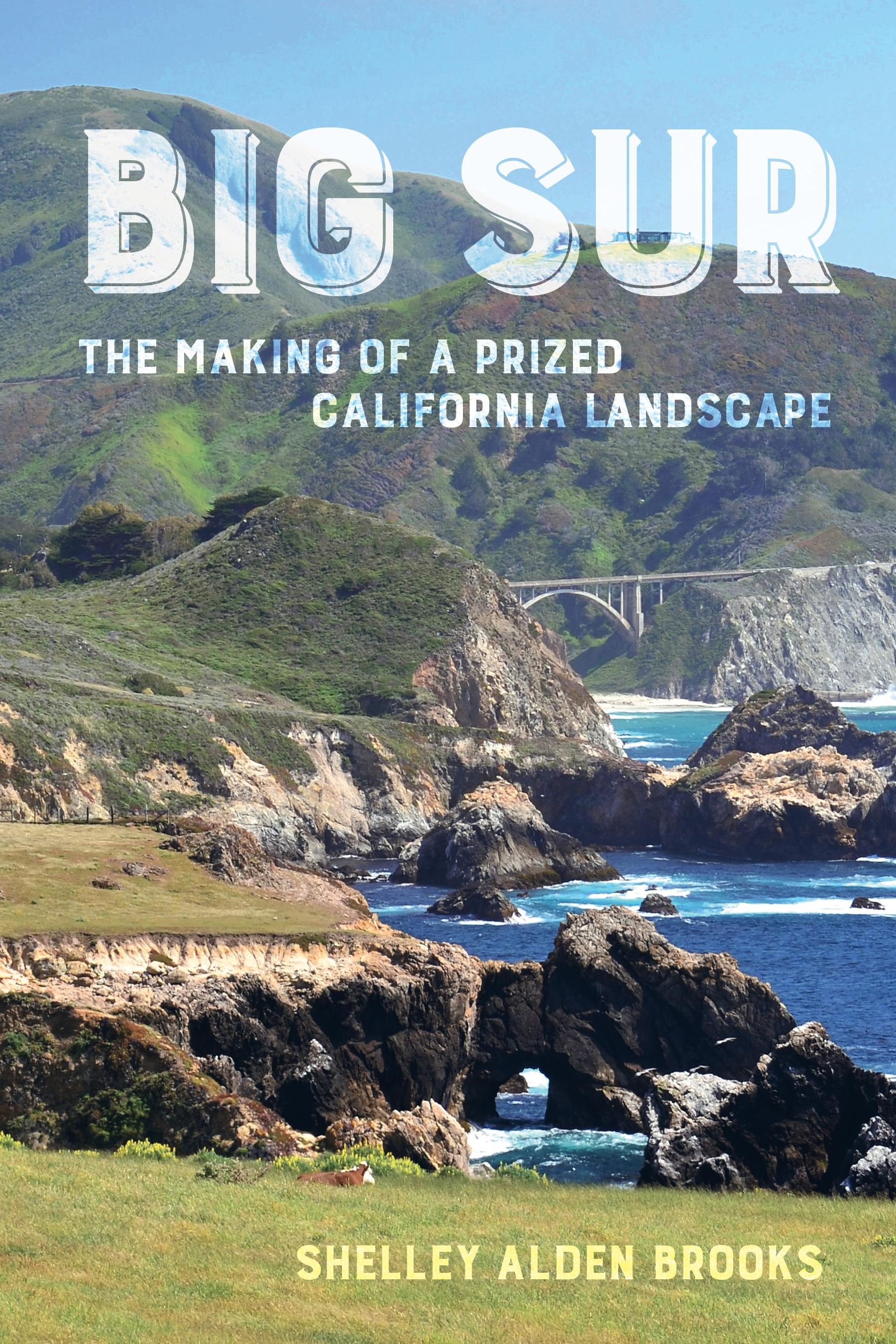
Big Sur embodies much of what has defined California since the mid-twentieth century. A remote, inaccessible, and undeveloped pastoral landscape until 1937, Big Sur quickly became a cultural symbol of California and the West, as well as a home to the ultrawealthy. This transformation was due in part to writers and artists such as Robinson Jeffers and Ansel Adams, who created an enduring mystique for this coastline. But Big Sur’s prized coastline is also the product of the pioneering efforts of residents and Monterey County officials who forged a collaborative public/private preservation model for Big Sur that foreshadowed the shape of California coastal preservation in the twenty-first century. Big Sur’s well-preserved vistas and high-end real estate situate this coastline between American ideals of development and the wild. It is a space that challenges the way most Americans think of nature, of people’s relationship to nature, and of what in fact makes a place “wild.” This book highlights today’s intricate and ambiguous intersections of class, the environment, and economic development through the lens of an iconic California landscape.
Betaal eenvoudig met kaart, Klarna, Apple Pay of Google Pay. Niet tevreden? Je hebt altijd 14 dagen bedenktijd. Lees meer in onze voorwaarden. Heb je vragen, mail ons dan via hello@memmo.org.
Memmo maakt studeren makkelijker – waar je ook bent ter wereld. Wij brengen je cursusboeken en slimme studietools samen op één plek: samenvattingen, quizzen, podcasts en flashcards. En Ted, je studievriend die antwoord geeft op alles wat je je afvraagt. Meer dan 50.000 studenten studeren hier al – gebouwd om je sneller te laten leren en minder stress te geven.
Misschien vind je dit ook leuk
Koop het boek0