
Awarded Digital Book World’s Best Book Published by a University Press
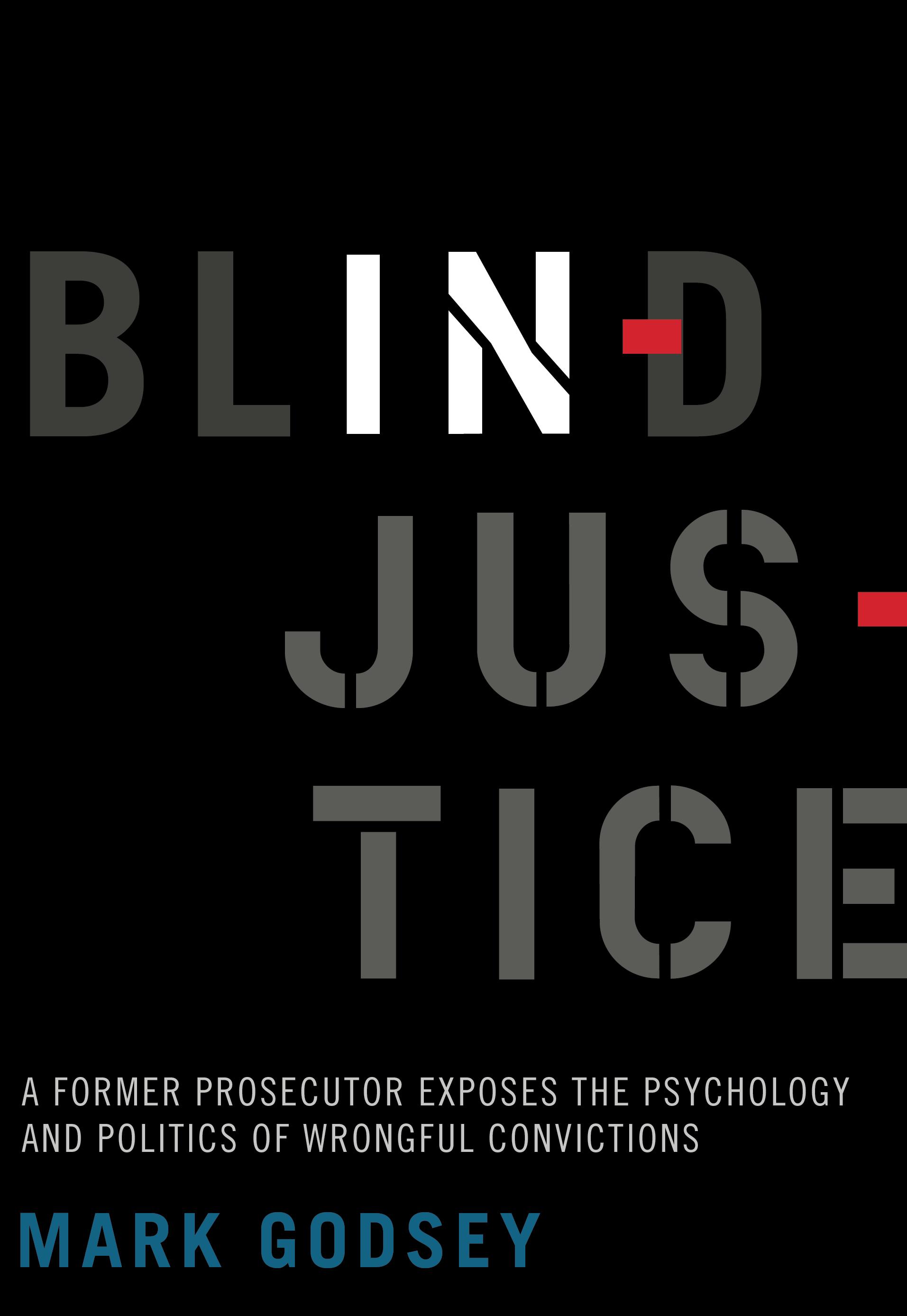
In this unprecedented view from the trenches, prosecutor turned champion for the innocent Mark Godsey takes us inside the frailties of the human mind as they unfold in real-world wrongful convictions. Drawing upon stories from his own career, Godsey shares how innate psychological flaws in judges, police, lawyers, and juries coupled with a “tough on crime” environment can cause investigations to go awry, leading to the convictions of innocent people.
In Blind Injustice, Godsey explores distinct psychological human weaknesses inherent in the criminal justice system—confirmation bias, memory malleability, cognitive dissonance, bureaucratic denial, dehumanization, and others—and illustrates each with stories from his time as a hard-nosed prosecutor and then as an attorney for the Ohio Innocence Project.
He also lays bare the criminal justice system’s internal political pressures. How does the fact that judges, sheriffs, and prosecutors are elected officials influence how they view cases? How can defense attorneys support clients when many are overworked and underpaid? And how do juries overcome bias leading them to believe that police and expert witnesses know more than they do about what evidence means?
This book sheds a harsh light on the unintentional yet routine injustices committed by those charged with upholding justice. Yet in the end, Godsey recommends structural, procedural, and attitudinal changes aimed at restoring justice to the criminal justice system.
In this unprecedented view from the trenches, prosecutor turned champion for the innocent Mark Godsey takes us inside the frailties of the human mind as they unfold in real-world wrongful convictions. Drawing upon stories from his own career, Godsey shares how innate psychological flaws in judges, police, lawyers, and juries coupled with a “tough on crime” environment can cause investigations to go awry, leading to the convictions of innocent people.
In Blind Injustice, Godsey explores distinct psychological human weaknesses inherent in the criminal justice system—confirmation bias, memory malleability, cognitive dissonance, bureaucratic denial, dehumanization, and others—and illustrates each with stories from his time as a hard-nosed prosecutor and then as an attorney for the Ohio Innocence Project.
He also lays bare the criminal justice system’s internal political pressures. How does the fact that judges, sheriffs, and prosecutors are elected officials influence how they view cases? How can defense attorneys support clients when many are overworked and underpaid? And how do juries overcome bias leading them to believe that police and expert witnesses know more than they do about what evidence means?
This book sheds a harsh light on the unintentional yet routine injustices committed by those charged with upholding justice. Yet in the end, Godsey recommends structural, procedural, and attitudinal changes aimed at restoring justice to the criminal justice system.
Betaal eenvoudig met kaart, Klarna, Apple Pay of Google Pay. Niet tevreden? Je hebt altijd 14 dagen bedenktijd. Lees meer in onze voorwaarden. Heb je vragen, mail ons dan via hello@memmo.org.
Memmo maakt studeren makkelijker – waar je ook bent ter wereld. Wij brengen je cursusboeken en slimme studietools samen op één plek: samenvattingen, quizzen, podcasts en flashcards. En Ted, je studievriend die antwoord geeft op alles wat je je afvraagt. Meer dan 50.000 studenten studeren hier al – gebouwd om je sneller te laten leren en minder stress te geven.
Misschien vind je dit ook leuk
Koop het boek0