
“My world seems upside down. I have grown up but I feel like I’m moving backward. And I can’t do anything about it.” –Esperanza
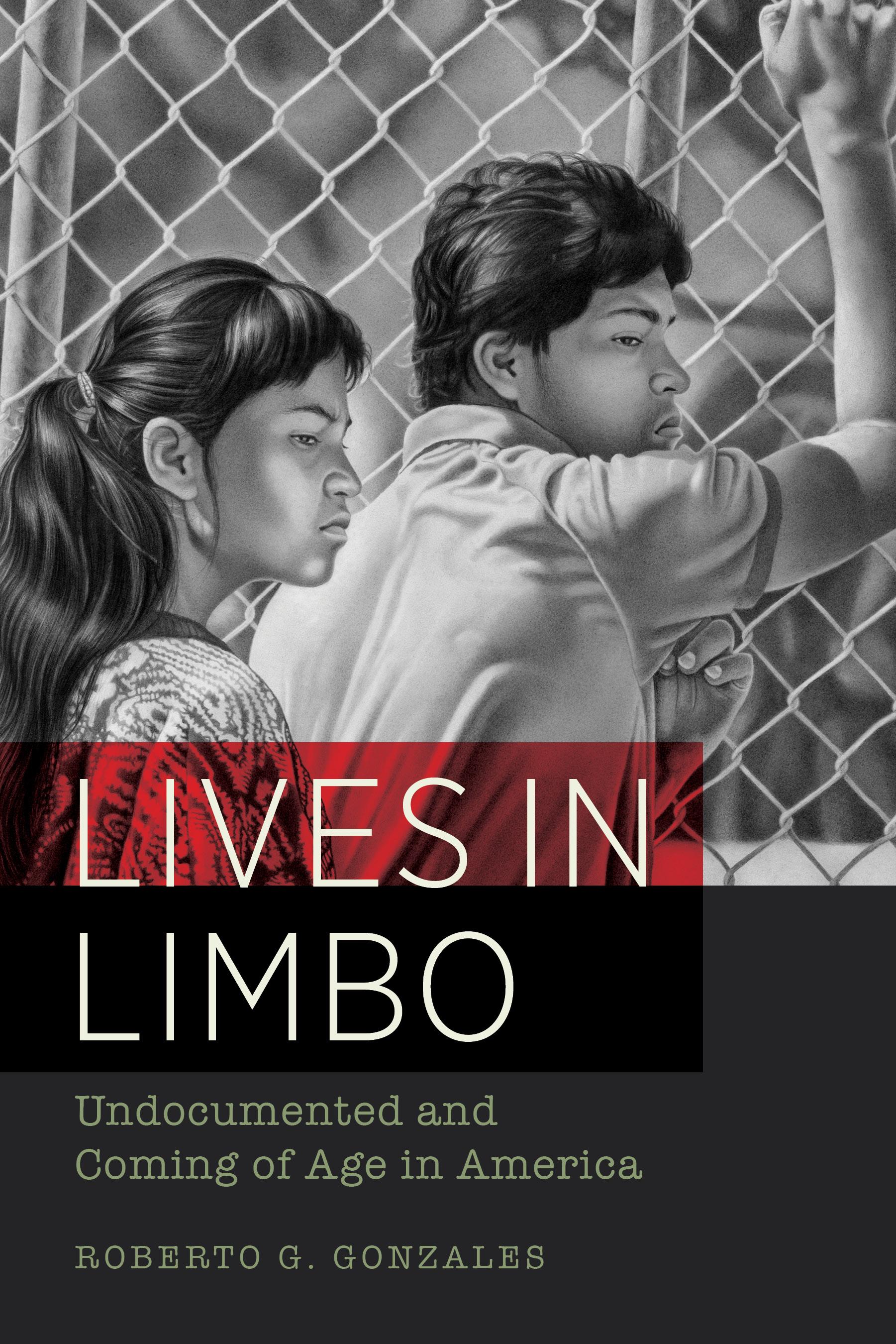
Over two million of the nation’s eleven million undocumented immigrants have lived in the United States since childhood. Due to a broken immigration system, they grow up to uncertain futures. In Lives in Limbo, Roberto G. Gonzales introduces us to two groups: the college-goers, like Ricardo, who had good grades and a strong network of community support that propelled him to college and DREAM Act organizing but still landed in a factory job a few short years after graduation, and the early-exiters, like Gabriel, who failed to make meaningful connections in high school and started navigating dead-end jobs, immigration checkpoints, and a world narrowly circumscribed by legal limitations. This vivid ethnography explores why highly educated undocumented youth share similar work and life outcomes with their less-educated peers, despite the fact that higher education is touted as the path to integration and success in America. Mining the results of an extraordinary twelve-year study that followed 150 undocumented young adults in Los Angeles, Lives in Limbo exposes the failures of a system that integrates children into K-12 schools but ultimately denies them the rewards of their labor.
Over two million of the nation’s eleven million undocumented immigrants have lived in the United States since childhood. Due to a broken immigration system, they grow up to uncertain futures. In Lives in Limbo, Roberto G. Gonzales introduces us to two groups: the college-goers, like Ricardo, who had good grades and a strong network of community support that propelled him to college and DREAM Act organizing but still landed in a factory job a few short years after graduation, and the early-exiters, like Gabriel, who failed to make meaningful connections in high school and started navigating dead-end jobs, immigration checkpoints, and a world narrowly circumscribed by legal limitations. This vivid ethnography explores why highly educated undocumented youth share similar work and life outcomes with their less-educated peers, despite the fact that higher education is touted as the path to integration and success in America. Mining the results of an extraordinary twelve-year study that followed 150 undocumented young adults in Los Angeles, Lives in Limbo exposes the failures of a system that integrates children into K-12 schools but ultimately denies them the rewards of their labor.
Betaal eenvoudig met kaart, Klarna, Apple Pay of Google Pay. Niet tevreden? Je hebt altijd 14 dagen bedenktijd. Lees meer in onze voorwaarden. Heb je vragen, mail ons dan via hello@memmo.org.
Memmo maakt studeren makkelijker – waar je ook bent ter wereld. Wij brengen je cursusboeken en slimme studietools samen op één plek: samenvattingen, quizzen, podcasts en flashcards. En Ted, je studievriend die antwoord geeft op alles wat je je afvraagt. Meer dan 50.000 studenten studeren hier al – gebouwd om je sneller te laten leren en minder stress te geven.
Misschien vind je dit ook leuk
Koop het boek0