
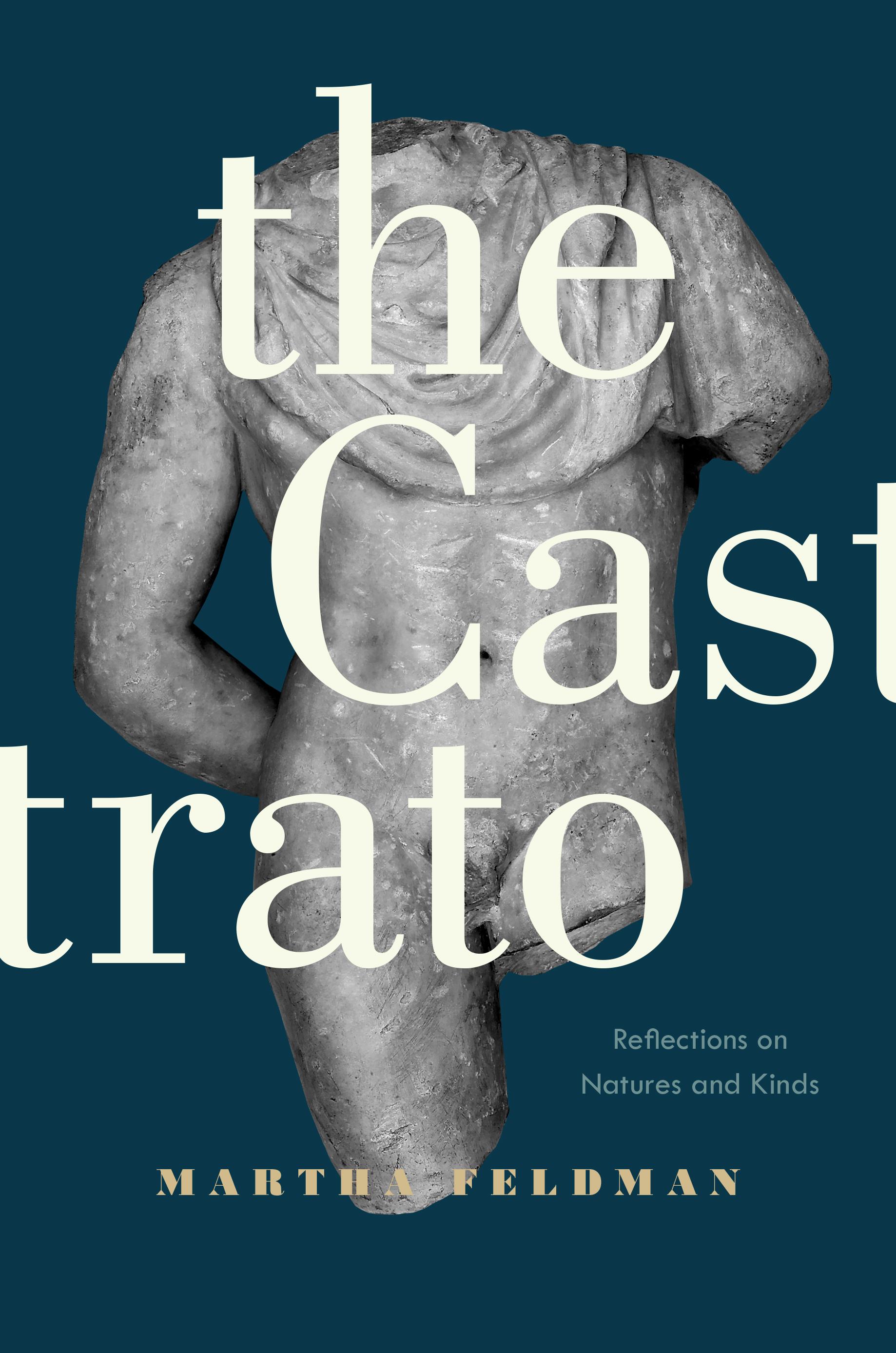
The Castrato is a nuanced exploration of why innumerable boys were castrated for singing between the mid-sixteenth and late-nineteenth centuries. It shows that the entire foundation of Western classical singing, culminating in bel canto, was birthed from an unlikely and historically unique set of desires, public and private, aesthetic, economic, and political. In Italy, castration for singing was understood through the lens of Catholic blood sacrifice as expressed in idioms of offering and renunciation and, paradoxically, in satire, verbal abuse, and even the symbolism of the castrato’s comic cousin Pulcinella. Sacrifice in turn was inseparable from the system of patriarchy—involving teachers, patrons, colleagues, and relatives—whereby castrated males were produced not as nonmen, as often thought nowadays, but as idealized males. Yet what captivated audiences and composers—from Cavalli and Pergolesi to Handel, Mozart, and Rossini—were the extraordinary capacities of castrato voices, a phenomenon ultimately unsettled by Enlightenment morality. Although the castrati failed to survive, their musicality and vocality have persisted long past their literal demise.
Betaal eenvoudig met kaart, Klarna, Apple Pay of Google Pay. Niet tevreden? Je hebt altijd 14 dagen bedenktijd. Lees meer in onze voorwaarden. Heb je vragen, mail ons dan via hello@memmo.org.
Memmo maakt studeren makkelijker – waar je ook bent ter wereld. Wij brengen je cursusboeken en slimme studietools samen op één plek: samenvattingen, quizzen, podcasts en flashcards. En Ted, je studievriend die antwoord geeft op alles wat je je afvraagt. Meer dan 50.000 studenten studeren hier al – gebouwd om je sneller te laten leren en minder stress te geven.
Misschien vind je dit ook leuk
Koop het boek0