
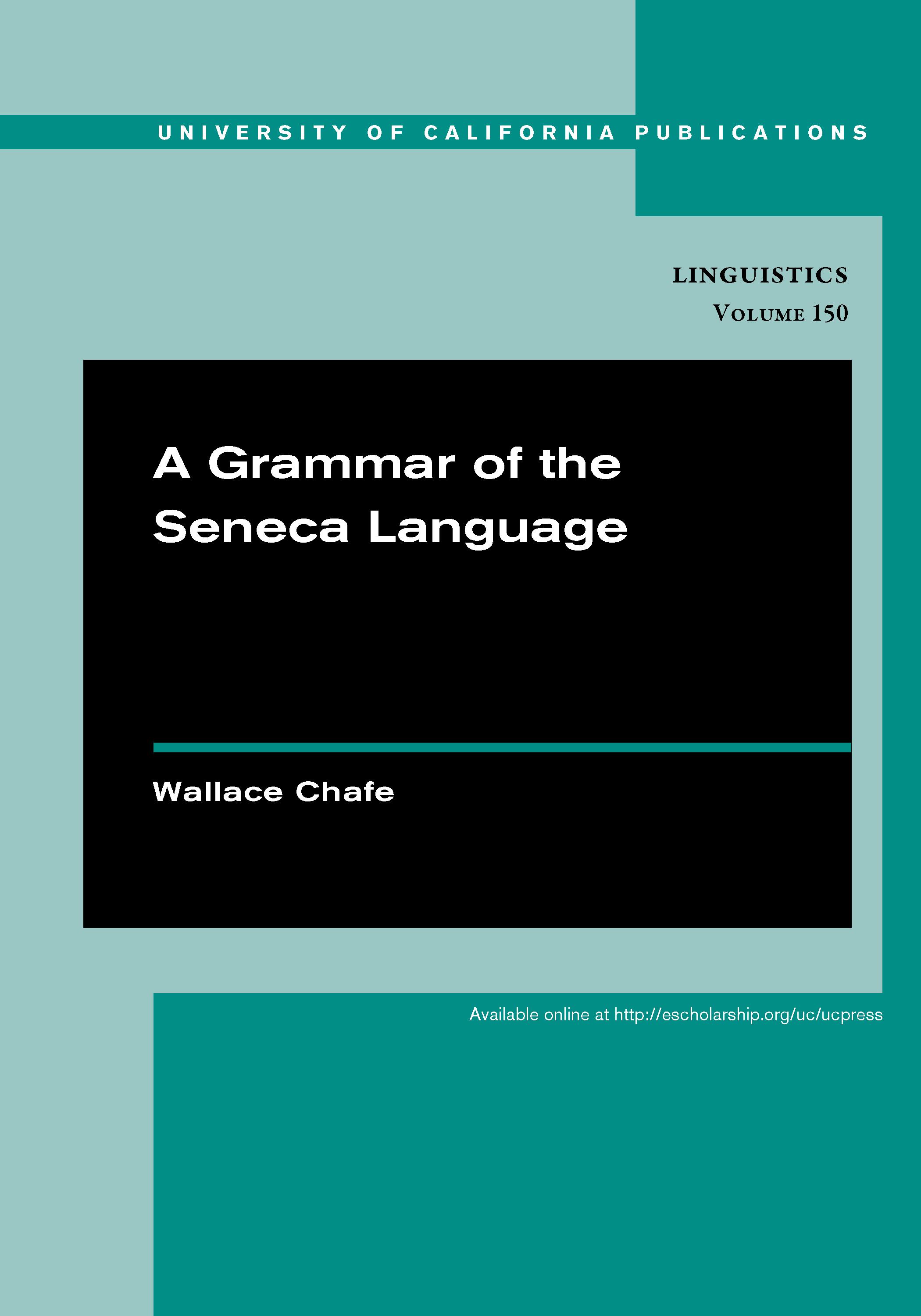
The Seneca language belongs to the Northern Iroquoian branch of the Iroquoian language family, where its closest relatives are Cayuga, Onondaga, Oneida, Mohawk, and Tuscarora. Seneca holds special typological interest because of its high degree of polysynthesis and fusion. It is historically important because of its central role in the Longhouse religion and its place in the pioneering linguistic work of the 19th century missionary Asher Wright. This grammatical description, which includes four extended texts in several genres, is the culminatin of Chafe’s long term study of the language over half a century.
Betaal eenvoudig met kaart, Klarna, Apple Pay of Google Pay. Niet tevreden? Je hebt altijd 14 dagen bedenktijd. Lees meer in onze voorwaarden. Heb je vragen, mail ons dan via hello@memmo.org.
Memmo maakt studeren makkelijker – waar je ook bent ter wereld. Wij brengen je cursusboeken en slimme studietools samen op één plek: samenvattingen, quizzen, podcasts en flashcards. En Ted, je studievriend die antwoord geeft op alles wat je je afvraagt. Meer dan 50.000 studenten studeren hier al – gebouwd om je sneller te laten leren en minder stress te geven.
Misschien vind je dit ook leuk
Koop het boek0