
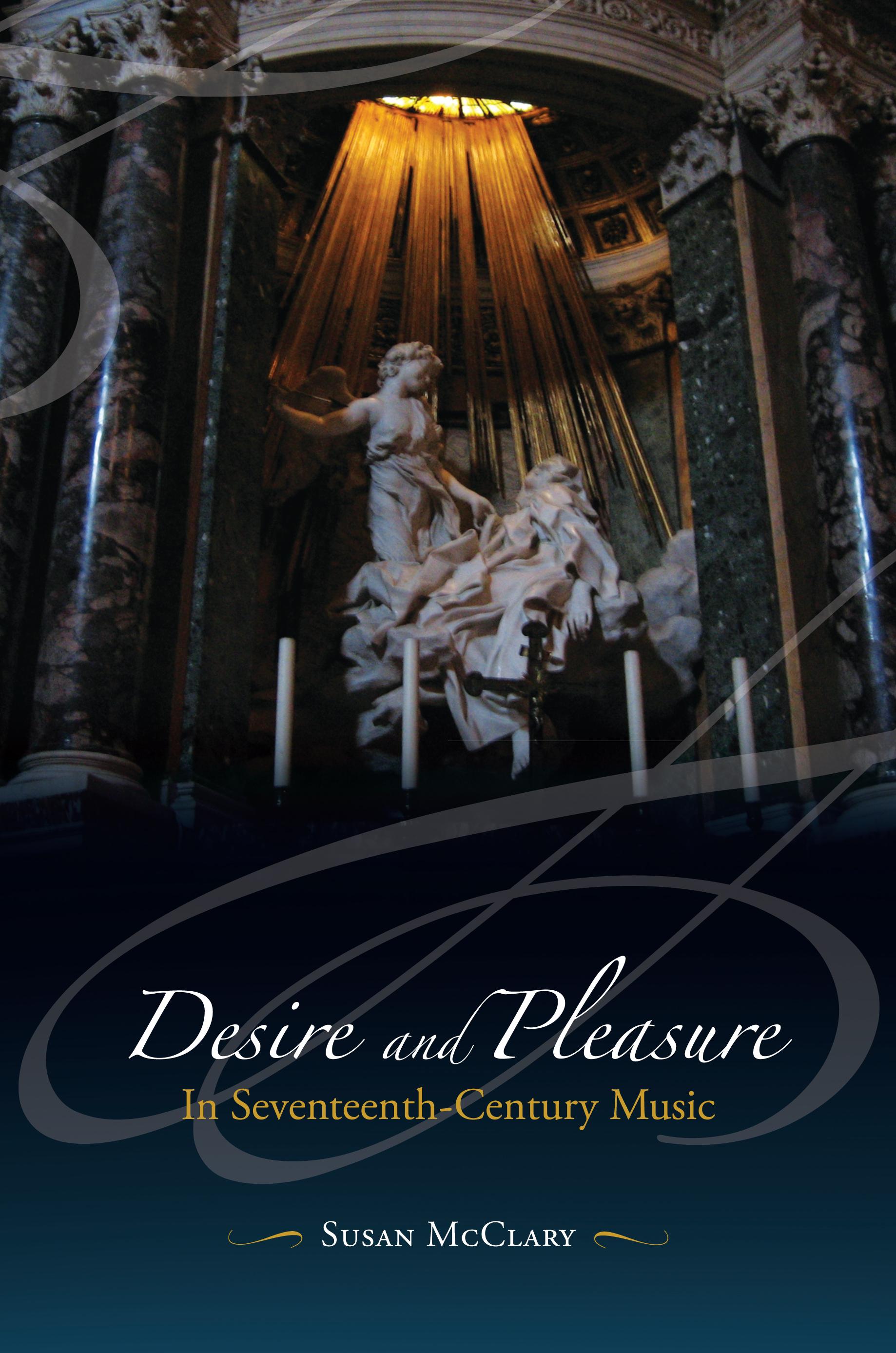
In this book, Susan McClary examines the mechanisms through which seventeenth-century musicians simulated extreme affective states—desire, divine rapture, and ecstatic pleasure. She demonstrates how every major genre of the period, from opera to religious music to instrumental pieces based on dances, was part of this striving for heightened passions by performers and listeners. While she analyzes the social and historical reasons for the high value placed on expressive intensity in both secular and sacred music, and she also links desire and pleasure to the many technical innovations of the period. McClary shows how musicians—whether working within the contexts of the Reformation or Counter-Reformation, Absolutists courts or commercial enterprises in Venice—were able to manipulate known procedures to produce radically new ways of experiencing time and the Self.
Betaal eenvoudig met kaart, Klarna, Apple Pay of Google Pay. Niet tevreden? Je hebt altijd 14 dagen bedenktijd. Lees meer in onze voorwaarden. Heb je vragen, mail ons dan via hello@memmo.org.
Memmo maakt studeren makkelijker – waar je ook bent ter wereld. Wij brengen je cursusboeken en slimme studietools samen op één plek: samenvattingen, quizzen, podcasts en flashcards. En Ted, je studievriend die antwoord geeft op alles wat je je afvraagt. Meer dan 50.000 studenten studeren hier al – gebouwd om je sneller te laten leren en minder stress te geven.
Misschien vind je dit ook leuk
Koop het boek0