
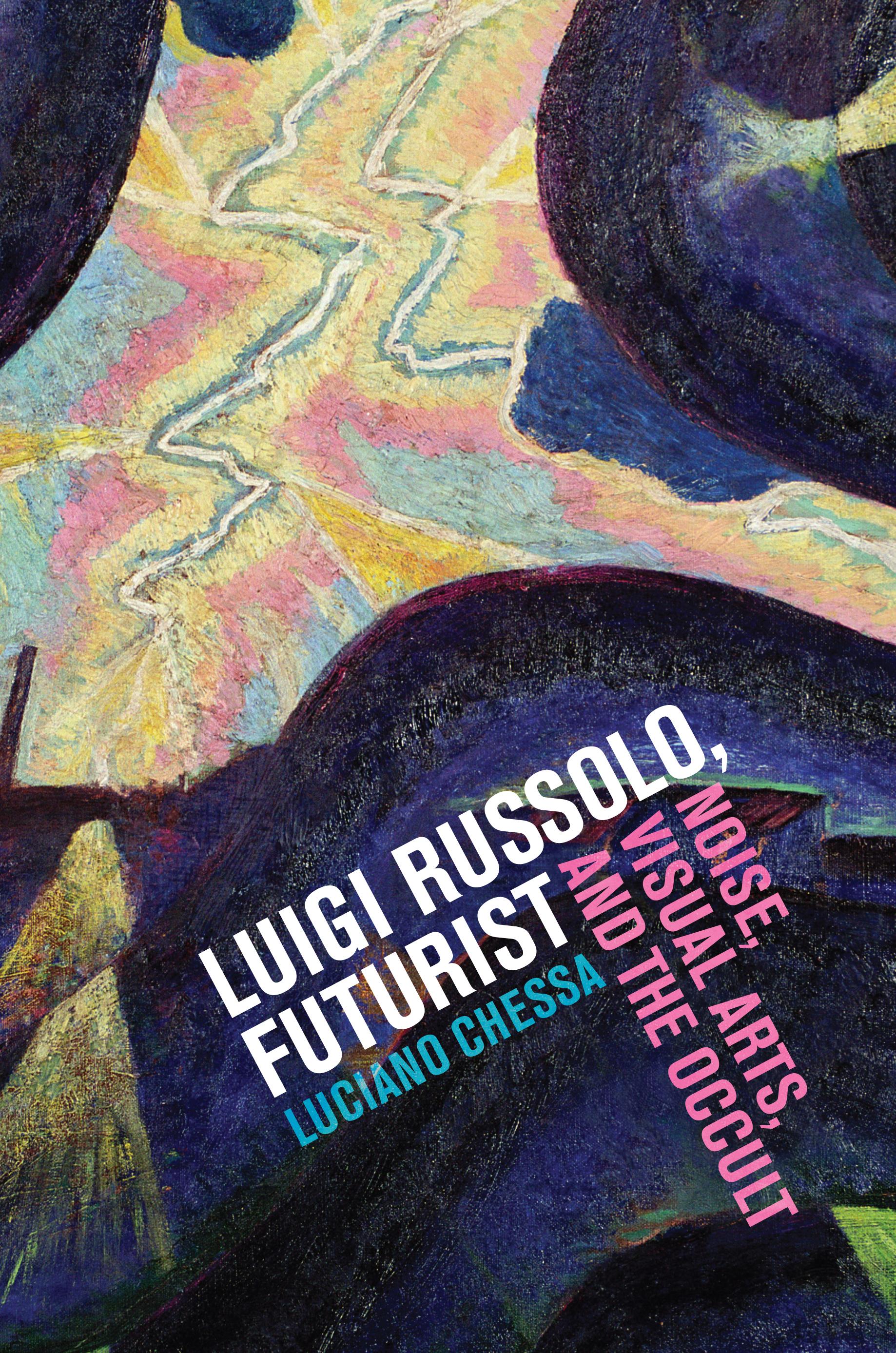
Luigi Russolo (1885–1947)—painter, composer, builder of musical instruments, and first-hour member of the Italian Futurist movement—was a crucial figure in the evolution of twentieth-century aesthetics. As creator of the first systematic poetics of noise and inventor of what has been considered the first mechanical sound synthesizer, Russolo looms large in the development of twentieth-century music. In the first English language study of Russolo, Luciano Chessa emphasizes the futurist’s interest in the occult, showing it to be a leitmotif for his life and a foundation for his art of noises. Chessa shows that Russolo’s aesthetics of noise, and the machines he called the intonarumori, were intended to boost practitioners into higher states of spiritual consciousness. His analysis reveals a multifaceted man in whom the drive to keep up with the latest scientific trends coexisted with an embrace of the irrational, and a critique of materialism and positivism.
Betaal eenvoudig met kaart, Klarna, Apple Pay of Google Pay. Niet tevreden? Je hebt altijd 14 dagen bedenktijd. Lees meer in onze voorwaarden. Heb je vragen, mail ons dan via hello@memmo.org.
Memmo maakt studeren makkelijker – waar je ook bent ter wereld. Wij brengen je cursusboeken en slimme studietools samen op één plek: samenvattingen, quizzen, podcasts en flashcards. En Ted, je studievriend die antwoord geeft op alles wat je je afvraagt. Meer dan 50.000 studenten studeren hier al – gebouwd om je sneller te laten leren en minder stress te geven.
Misschien vind je dit ook leuk
Koop het boek0