
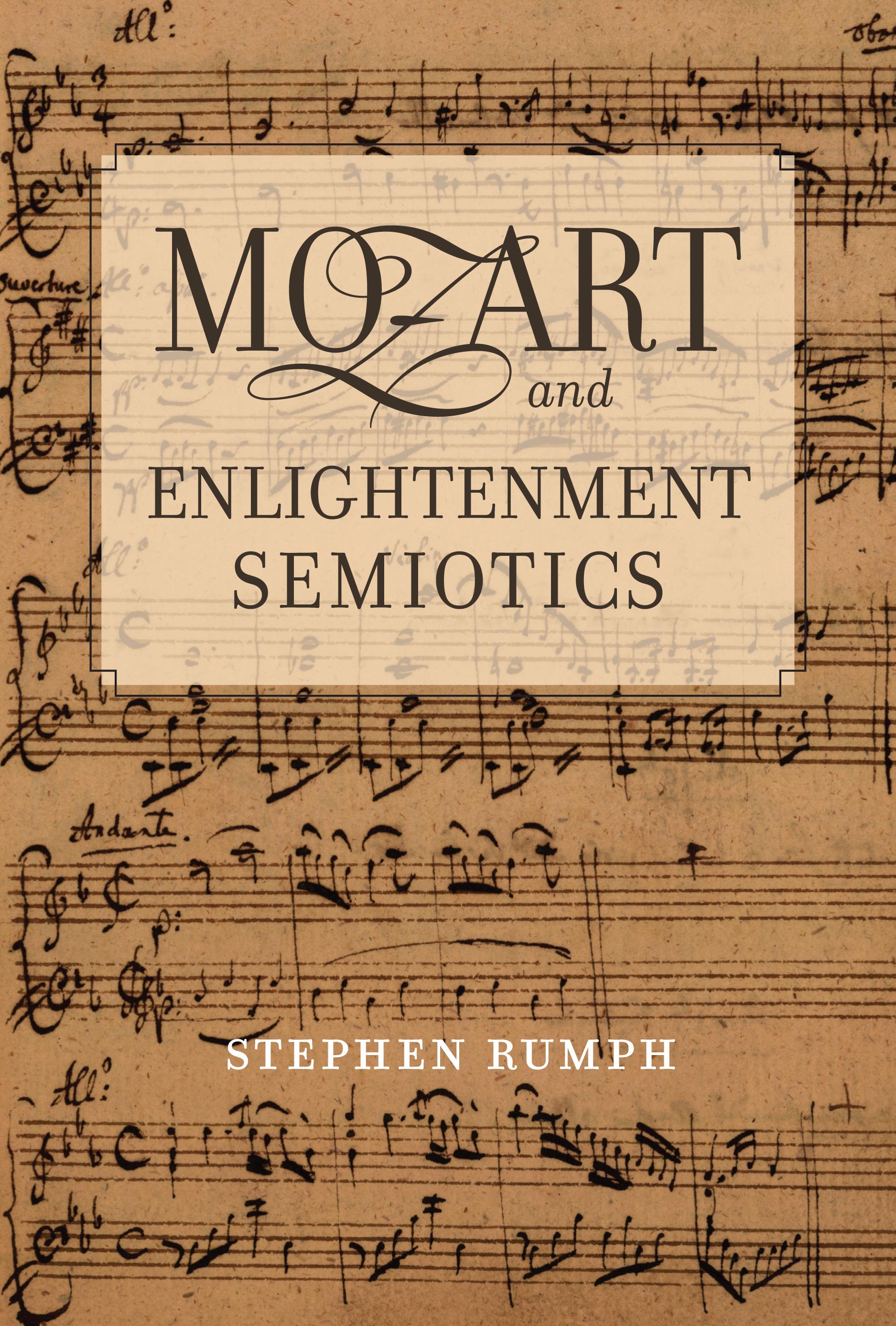
In this groundbreaking, historically-informed semiotic study of late eighteenth-century music, Stephen Rumph focuses on Mozart to explore musical meaning within the context of Enlightenment sign and language theory. Illuminating his discussion with French, British, German, and Italian writings on signs and language, Rumph analyzes movements from Mozart’s symphonies, concertos, operas, and church music. He argues that Mozartian semiosis is best understood within the empiricist tradition of Condillac, Vico, Herder, or Adam Smith, which emphasized the constitutive role of signs within human cognition. Recognizing that the rationalist model of neoclassical rhetoric has guided much recent work on Mozart and his contemporaries, Rumph demonstrates how the dialogic tension between opposing paradigms enabled the composer to negotiate contradictions within Enlightenment thought.
Betaal eenvoudig met kaart, Klarna, Apple Pay of Google Pay. Niet tevreden? Je hebt altijd 14 dagen bedenktijd. Lees meer in onze voorwaarden. Heb je vragen, mail ons dan via hello@memmo.org.
Memmo maakt studeren makkelijker – waar je ook bent ter wereld. Wij brengen je cursusboeken en slimme studietools samen op één plek: samenvattingen, quizzen, podcasts en flashcards. En Ted, je studievriend die antwoord geeft op alles wat je je afvraagt. Meer dan 50.000 studenten studeren hier al – gebouwd om je sneller te laten leren en minder stress te geven.
Misschien vind je dit ook leuk
Koop het boek0