
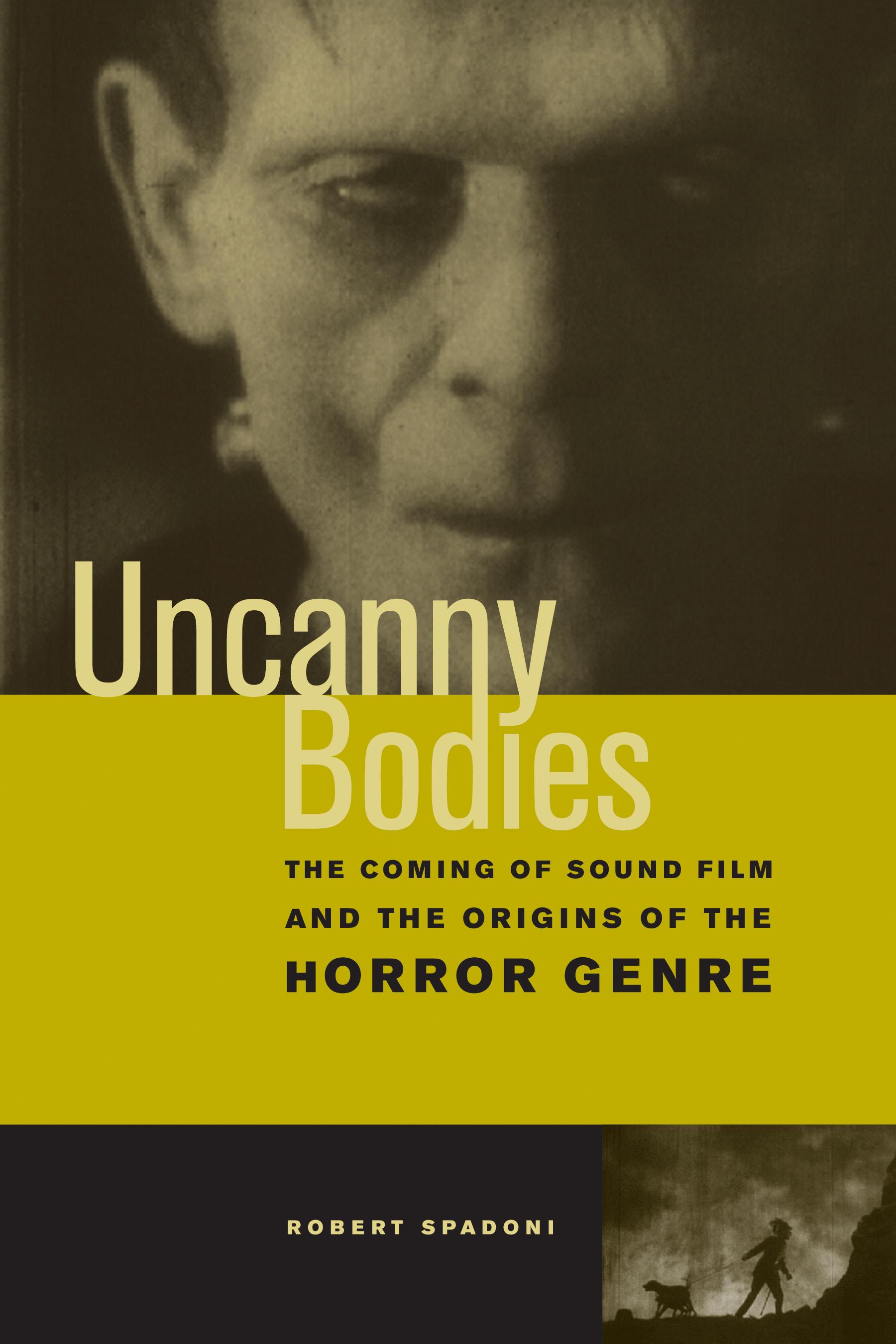
In 1931 Universal Pictures released Dracula and Frankenstein, two films that inaugurated the horror genre in Hollywood cinema. These films appeared directly on the heels of Hollywood's transition to sound film. Uncanny Bodies argues that the coming of sound inspired more in these massively influential horror movies than screams, creaking doors, and howling wolves. A close examination of the historical reception of films of the transition period reveals that sound films could seem to their earliest viewers unreal and ghostly. By comparing this audience impression to the first sound horror films, Robert Spadoni makes a case for understanding film viewing as a force that can powerfully shape both the minutest aspects of individual films and the broadest sweep of film production trends, and for seeing aftereffects of the temporary weirdness of sound film deeply etched in the basic character of one of our most enduring film genres.
Betaal eenvoudig met kaart, Klarna, Apple Pay of Google Pay. Niet tevreden? Je hebt altijd 14 dagen bedenktijd. Lees meer in onze voorwaarden. Heb je vragen, mail ons dan via hello@memmo.org.
Memmo maakt studeren makkelijker – waar je ook bent ter wereld. Wij brengen je cursusboeken en slimme studietools samen op één plek: samenvattingen, quizzen, podcasts en flashcards. En Ted, je studievriend die antwoord geeft op alles wat je je afvraagt. Meer dan 50.000 studenten studeren hier al – gebouwd om je sneller te laten leren en minder stress te geven.
Misschien vind je dit ook leuk
Koop het boek0