
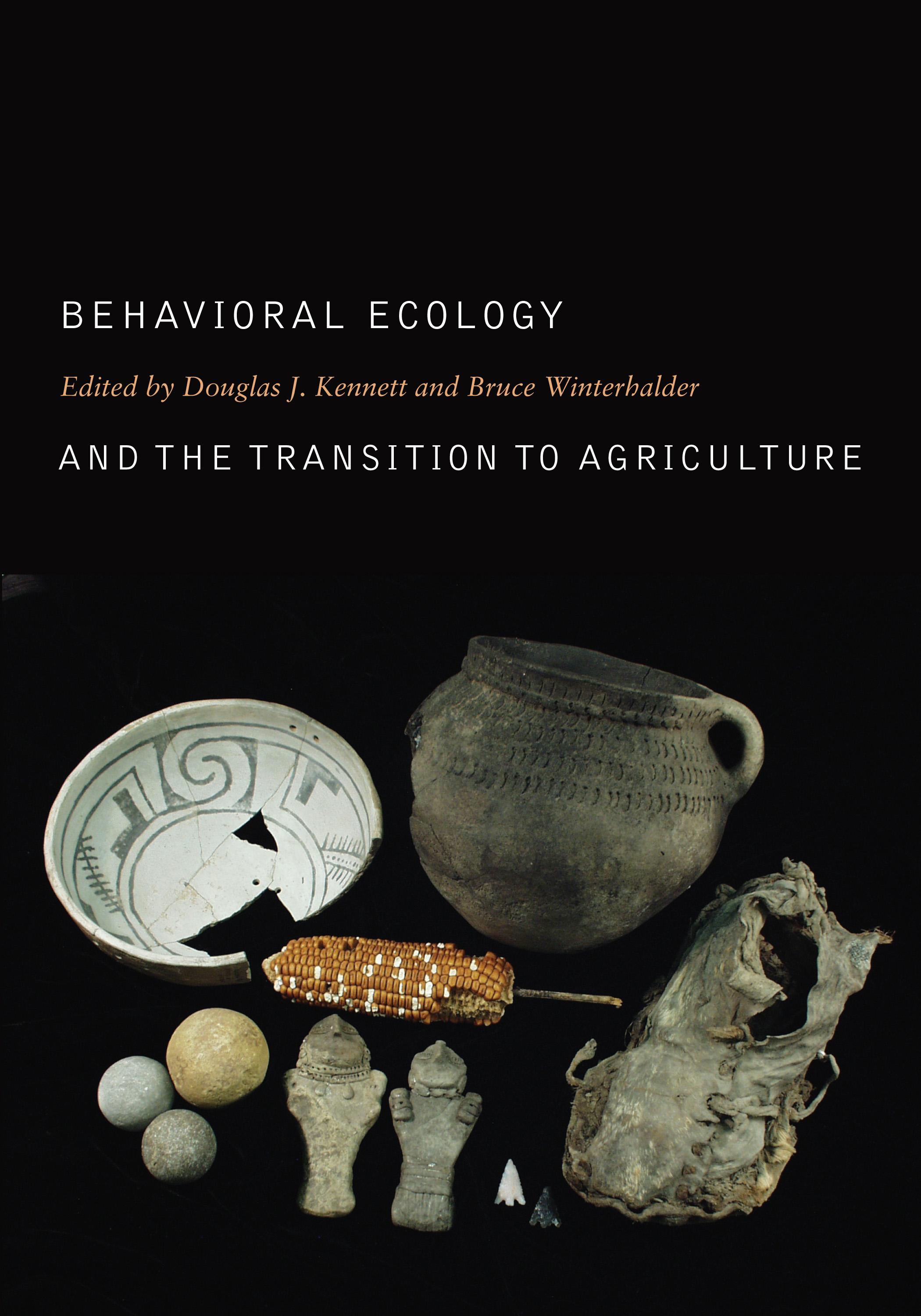
This innovative volume is the first collective effort by archaeologists and ethnographers to use concepts and models from human behavioral ecology to explore one of the most consequential transitions in human history: the origins of agriculture. Carefully balancing theory and detailed empirical study, and drawing from a series of ethnographic and archaeological case studies from eleven locations—including North and South America, Mesoamerica, Europe, the Near East, Africa, and the Pacific—the contributors to this volume examine the transition from hunting and gathering to farming and herding using a broad set of analytical models and concepts. These include diet breadth, central place foraging, ideal free distribution, discounting, risk sensitivity, population ecology, and costly signaling. An introductory chapter both charts the basics of the theory and notes areas of rapid advance in our understanding of how human subsistence systems evolve. Two concluding chapters by senior archaeologists reflect on the potential for human behavioral ecology to explain domestication and the transition from foraging to farming.
Pagina's: 408
Categorie: Arkeologi & Antikvetenskap
e-ISBN: 9780520932456
Verzendgewicht: 1.2 kg
Verzending binnen: 1-2 dagen
Betaal eenvoudig met kaart, Klarna, Apple Pay of Google Pay. Niet tevreden? Je hebt altijd 14 dagen bedenktijd. Lees meer in onze voorwaarden. Heb je vragen, mail ons dan via hello@memmo.org.
Memmo maakt studeren makkelijker – waar je ook bent ter wereld. Wij brengen je cursusboeken en slimme studietools samen op één plek: samenvattingen, quizzen, podcasts en flashcards. En Ted, je studievriend die antwoord geeft op alles wat je je afvraagt. Meer dan 50.000 studenten studeren hier al – gebouwd om je sneller te laten leren en minder stress te geven.
Misschien vind je dit ook leuk
Koop het boek0