
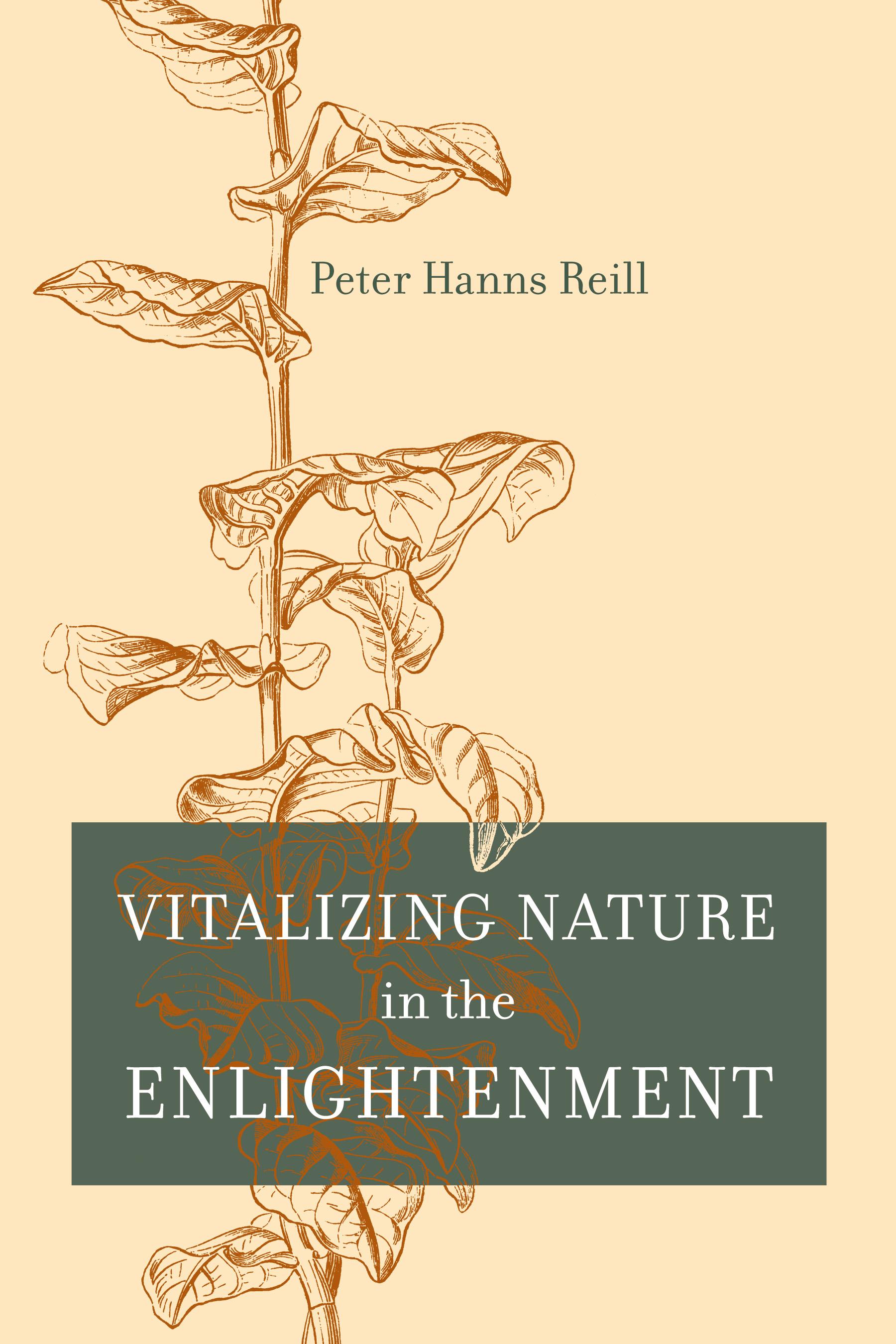
This far-reaching study redraws the intellectual map of the Enlightenment and boldly reassesses the legacy of that highly influential period for us today. Peter Hanns Reill argues that in the middle of the eighteenth century, a major shift occurred in the way Enlightenment thinkers conceived of nature that caused many of them to reject the prevailing doctrine of mechanism and turn to a vitalistic model to account for phenomena in natural history, the life sciences, and chemistry. As he traces the ramifications of this new way of thinking through time and across disciplines, Reill provocatively complicates our understanding of the way key Enlightenment thinkers viewed nature. His sophisticated analysis ultimately questions postmodern narratives that have assumed a monolithic Enlightenment—characterized by the dominance of instrumental reason—that has led to many of the disasters of modern life.
Betaal eenvoudig met kaart, Klarna, Apple Pay of Google Pay. Niet tevreden? Je hebt altijd 14 dagen bedenktijd. Lees meer in onze voorwaarden. Heb je vragen, mail ons dan via hello@memmo.org.
Memmo maakt studeren makkelijker – waar je ook bent ter wereld. Wij brengen je cursusboeken en slimme studietools samen op één plek: samenvattingen, quizzen, podcasts en flashcards. En Ted, je studievriend die antwoord geeft op alles wat je je afvraagt. Meer dan 50.000 studenten studeren hier al – gebouwd om je sneller te laten leren en minder stress te geven.
Misschien vind je dit ook leuk
Koop het boek0