
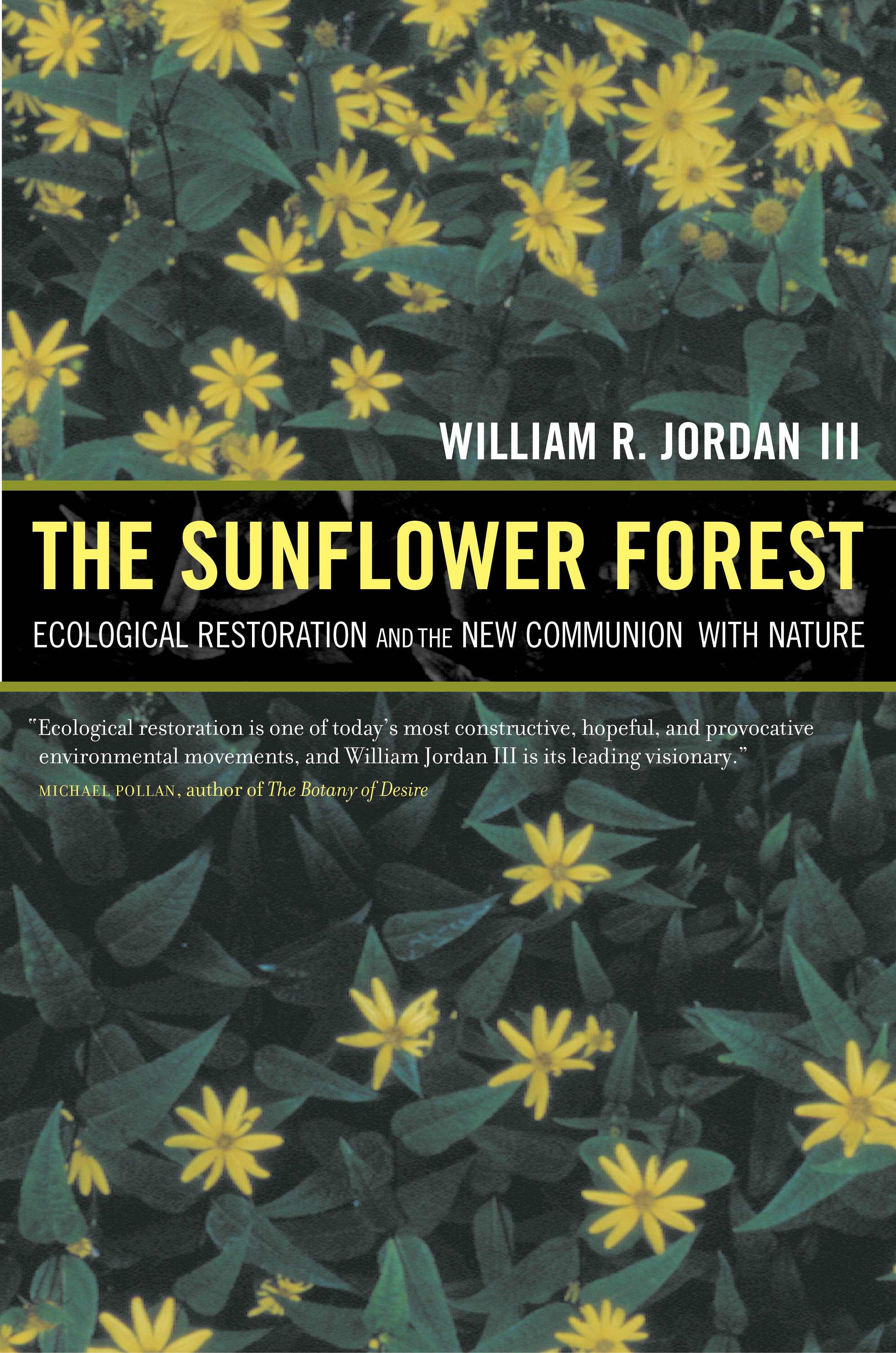
Ecological restoration, the attempt to guide damaged ecosystems back to a previous, usually healthier or more natural, condition, is rapidly gaining recognition as one of the most promising approaches to conservation. In this book, William R. Jordan III, who coined the term "restoration ecology," and who is widely respected as an intellectual leader in the field, outlines a vision for a restoration-based environmentalism that has emerged from his work over twenty-five years.
Drawing on a provocative range of thinkers, from anthropologists Victor Turner, Roy Rappaport, and Mary Douglas to literary critics Frederick Turner, Leo Marx, and R.W.B. Lewis, Jordan explores the promise of restoration, both as a way of reversing environmental damage and as a context for negotiating our relationship with nature.
Exploring restoration not only as a technology but also as an experience and a performing art, Jordan claims that it is the indispensable key to conservation. At the same time, he argues, restoration is valuable because it provides a context for confronting the most troubling aspects of our relationship with nature. For this reason, it offers a way past the essentially sentimental idea of nature that environmental thinkers have taken for granted since the time of Emerson and Muir.
Drawing on a provocative range of thinkers, from anthropologists Victor Turner, Roy Rappaport, and Mary Douglas to literary critics Frederick Turner, Leo Marx, and R.W.B. Lewis, Jordan explores the promise of restoration, both as a way of reversing environmental damage and as a context for negotiating our relationship with nature.
Exploring restoration not only as a technology but also as an experience and a performing art, Jordan claims that it is the indispensable key to conservation. At the same time, he argues, restoration is valuable because it provides a context for confronting the most troubling aspects of our relationship with nature. For this reason, it offers a way past the essentially sentimental idea of nature that environmental thinkers have taken for granted since the time of Emerson and Muir.
Betaal eenvoudig met kaart, Klarna, Apple Pay of Google Pay. Niet tevreden? Je hebt altijd 14 dagen bedenktijd. Lees meer in onze voorwaarden. Heb je vragen, mail ons dan via hello@memmo.org.
Memmo maakt studeren makkelijker – waar je ook bent ter wereld. Wij brengen je cursusboeken en slimme studietools samen op één plek: samenvattingen, quizzen, podcasts en flashcards. En Ted, je studievriend die antwoord geeft op alles wat je je afvraagt. Meer dan 50.000 studenten studeren hier al – gebouwd om je sneller te laten leren en minder stress te geven.
Misschien vind je dit ook leuk
Koop het boek0