
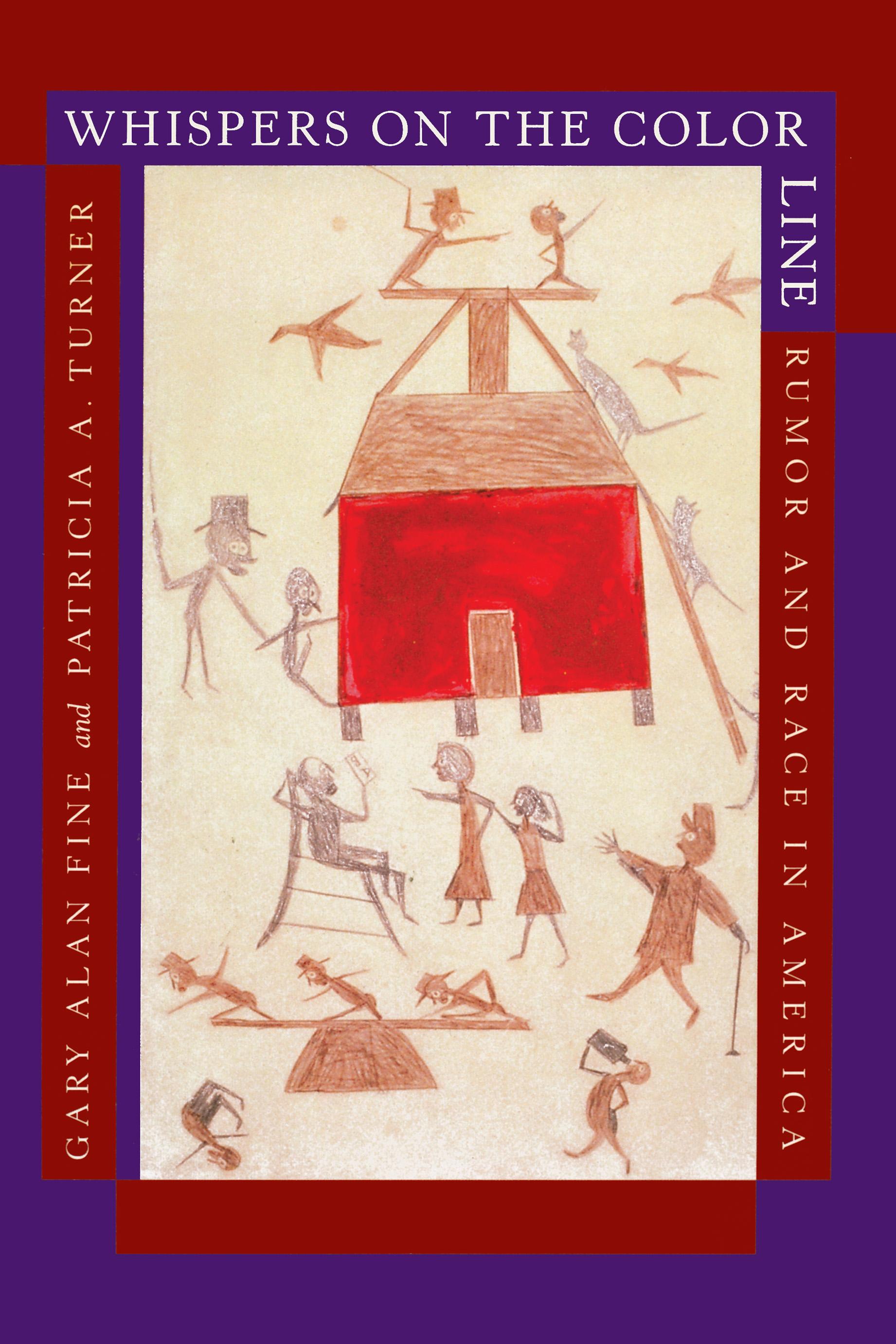
Legends are arguably the most common narrative form of folklore in American society. From sex acts to business transactions, from fashion to food, from heroes to heroin, rumors and legends take on every charged topic. Children circulate texts about toys and candy; teenagers share stories about sex, drugs, and rock and roll; young professionals commiserate over the hazards of the work world. These stories address aspects of life about which we receive mixed or ambiguous messages. Given that matters relevant to race remain confused and divisive in many corridors of American society, it is not surprising that rumors and legends that reflect racial misunderstanding and mistrust frequently circulate. Whispers on the Color Line focuses on a wide array of tales told in black and white communities across America. Topics run the gamut from alleged governmental conspiracies, possible food tampering, gang violence, and the sex lives of celebrities. Such beliefs travel by word of mouth, in print, and increasingly over the Internet. In many instances these stories reflect the tenacious level of racial misunderstanding that continues to vex efforts to foster racial harmony, creating separate racialized pools of knowledge.
The authors have spent over twenty years collecting and analyzing rumors and contemporary legends--from the ever-durable Kentucky Fried Rat cycle to persistent beliefs about athletic footwear manufacturers and their support for white supremacist regimes. These implausible stories serve many purposes: they assuage anxieties, entertain friends, increase our sense of control--all without directly proclaiming our own attitudes. Fine and Turner consider how these tales reflect attitudes that blacks and whites have both about each other and about the world they face. In an engaging and penetrating narrative, they brilliantly demonstrate how--by transforming unacceptable impulses into a narrative that is claimed to have actually happened--we are able to express the inexpressible.
Legends are arguably the most common narrative form of folklore in American society. From sex acts to business transactions, from fashion to food, from heroes to heroin, rumors and legends take on every charged topic. Children circulate texts about toys a
The authors have spent over twenty years collecting and analyzing rumors and contemporary legends--from the ever-durable Kentucky Fried Rat cycle to persistent beliefs about athletic footwear manufacturers and their support for white supremacist regimes. These implausible stories serve many purposes: they assuage anxieties, entertain friends, increase our sense of control--all without directly proclaiming our own attitudes. Fine and Turner consider how these tales reflect attitudes that blacks and whites have both about each other and about the world they face. In an engaging and penetrating narrative, they brilliantly demonstrate how--by transforming unacceptable impulses into a narrative that is claimed to have actually happened--we are able to express the inexpressible.
Legends are arguably the most common narrative form of folklore in American society. From sex acts to business transactions, from fashion to food, from heroes to heroin, rumors and legends take on every charged topic. Children circulate texts about toys a
Betaal eenvoudig met kaart, Klarna, Apple Pay of Google Pay. Niet tevreden? Je hebt altijd 14 dagen bedenktijd. Lees meer in onze voorwaarden. Heb je vragen, mail ons dan via hello@memmo.org.
Memmo maakt studeren makkelijker – waar je ook bent ter wereld. Wij brengen je cursusboeken en slimme studietools samen op één plek: samenvattingen, quizzen, podcasts en flashcards. En Ted, je studievriend die antwoord geeft op alles wat je je afvraagt. Meer dan 50.000 studenten studeren hier al – gebouwd om je sneller te laten leren en minder stress te geven.
Misschien vind je dit ook leuk
Koop het boek0