
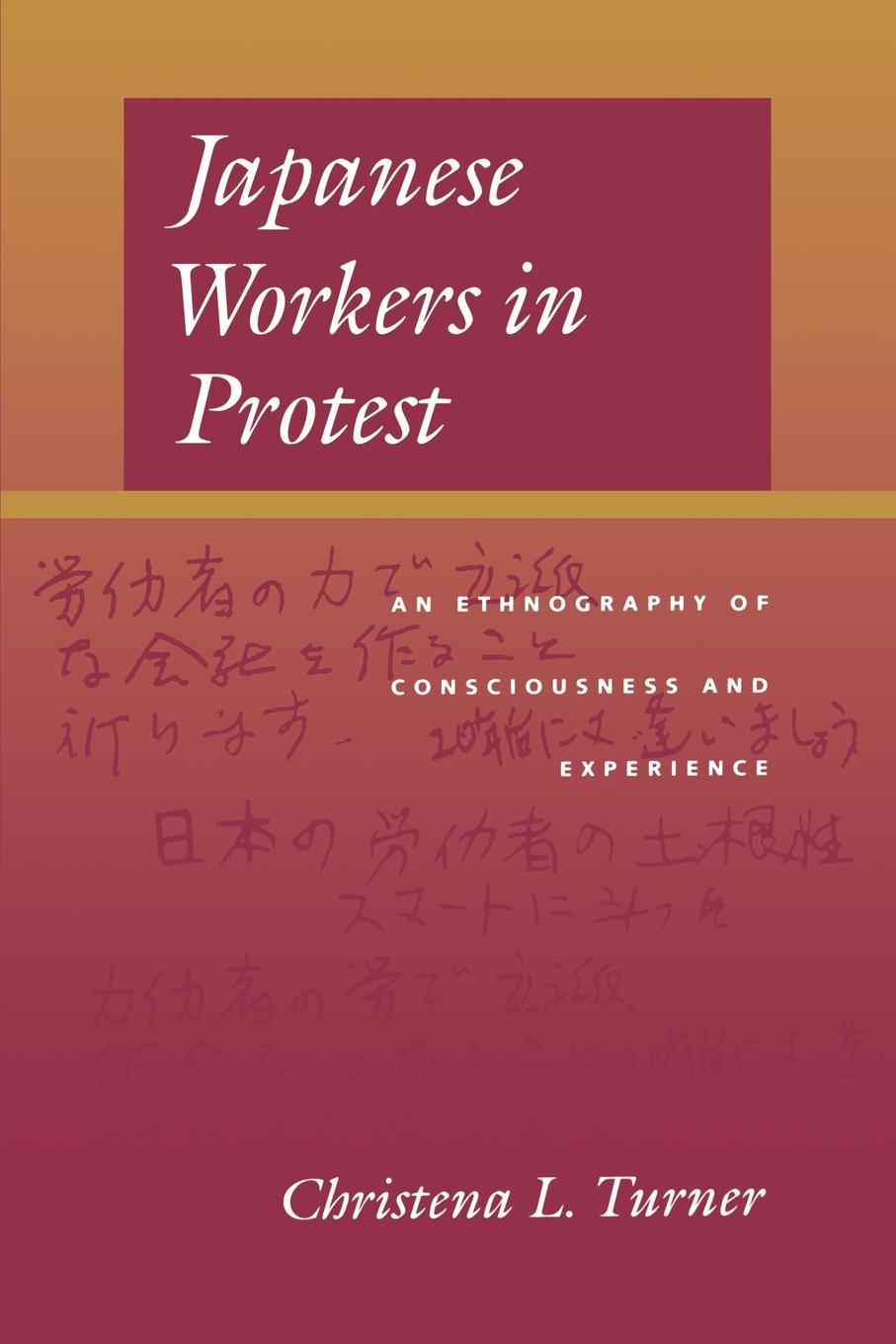
This first ethnographic study of factory workers engaged in radical labor protest gives a voice to a segment of the Japanese population that has been previously marginalized. These blue-collar workers, involved in prolonged labor disputes, tell their own story as they struggle to make sense of their lives and their culture during a time of conflict and instability. What emerges is a sensitive portrait of how workers grapple with a slowed economy and the contradictions of Japanese industry in the late postwar era. The ways that they think and feel about accommodation, resistance, and protest raise essential questions about the transformation of labor practices and limits of worker cooperation and compliance.
This first ethnographic study of factory workers engaged in radical labor protest gives a voice to a segment of the Japanese population that has been previously marginalized. These blue-collar workers, involved in prolonged labor disputes, tell their own
This first ethnographic study of factory workers engaged in radical labor protest gives a voice to a segment of the Japanese population that has been previously marginalized. These blue-collar workers, involved in prolonged labor disputes, tell their own
Betaal eenvoudig met kaart, Klarna, Apple Pay of Google Pay. Niet tevreden? Je hebt altijd 14 dagen bedenktijd. Lees meer in onze voorwaarden. Heb je vragen, mail ons dan via hello@memmo.org.
Memmo maakt studeren makkelijker – waar je ook bent ter wereld. Wij brengen je cursusboeken en slimme studietools samen op één plek: samenvattingen, quizzen, podcasts en flashcards. En Ted, je studievriend die antwoord geeft op alles wat je je afvraagt. Meer dan 50.000 studenten studeren hier al – gebouwd om je sneller te laten leren en minder stress te geven.
Misschien vind je dit ook leuk
Koop het boek0