
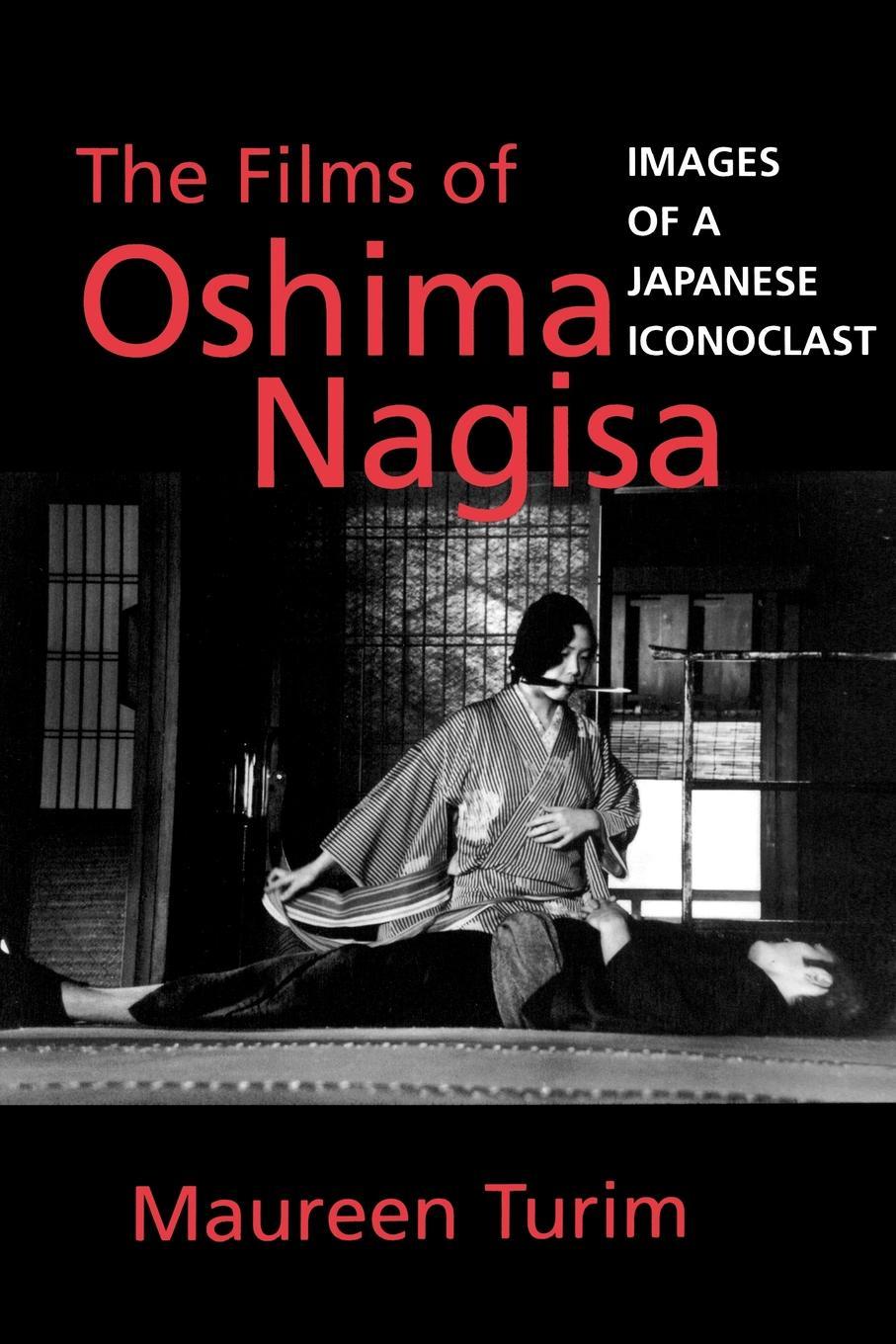
This study of the films of Oshima Nagisa is both an essential introduction to the work of a major postwar director of Japanese cinema and a theoretical exploration of strategies of filmic style. For almost forty years, Oshima has produced provocative films that have received wide distribution and international acclaim. Formally innovative as well as socially daring, they provide a running commentary, direct and indirect, on the cultural and political tensions of postwar Japan.
Best known today for his controversial films In the Realm of the Senses and The Empire of Passion, Oshima engages issues of sexuality and power, domination and identity, which Maureen Turim explores in relation to psychoanalytic and postmodern theory. The films' complex representation of women in Japanese society receives detailed and careful scrutiny, as does their political engagement with the Japanese student movement, postwar anti-American sentiments, and critiques of Stalinist tendencies of the Left. Turim also considers Oshima's surprising comedies, his experimentation with Brechtian and avant-garde theatricality as well as reflexive textuality, and his essayist documentaries in this look at an artist's gifted and vital attempt to put his will on film.
This study of the films of Oshima Nagisa is both an essential introduction to the work of a major postwar director of Japanese cinema and a theoretical exploration of strategies of filmic style. For almost forty years, Oshima has produced provocative film
Best known today for his controversial films In the Realm of the Senses and The Empire of Passion, Oshima engages issues of sexuality and power, domination and identity, which Maureen Turim explores in relation to psychoanalytic and postmodern theory. The films' complex representation of women in Japanese society receives detailed and careful scrutiny, as does their political engagement with the Japanese student movement, postwar anti-American sentiments, and critiques of Stalinist tendencies of the Left. Turim also considers Oshima's surprising comedies, his experimentation with Brechtian and avant-garde theatricality as well as reflexive textuality, and his essayist documentaries in this look at an artist's gifted and vital attempt to put his will on film.
This study of the films of Oshima Nagisa is both an essential introduction to the work of a major postwar director of Japanese cinema and a theoretical exploration of strategies of filmic style. For almost forty years, Oshima has produced provocative film
Betaal eenvoudig met kaart, Klarna, Apple Pay of Google Pay. Niet tevreden? Je hebt altijd 14 dagen bedenktijd. Lees meer in onze voorwaarden. Heb je vragen, mail ons dan via hello@memmo.org.
Memmo maakt studeren makkelijker – waar je ook bent ter wereld. Wij brengen je cursusboeken en slimme studietools samen op één plek: samenvattingen, quizzen, podcasts en flashcards. En Ted, je studievriend die antwoord geeft op alles wat je je afvraagt. Meer dan 50.000 studenten studeren hier al – gebouwd om je sneller te laten leren en minder stress te geven.
Misschien vind je dit ook leuk
Koop het boek0