
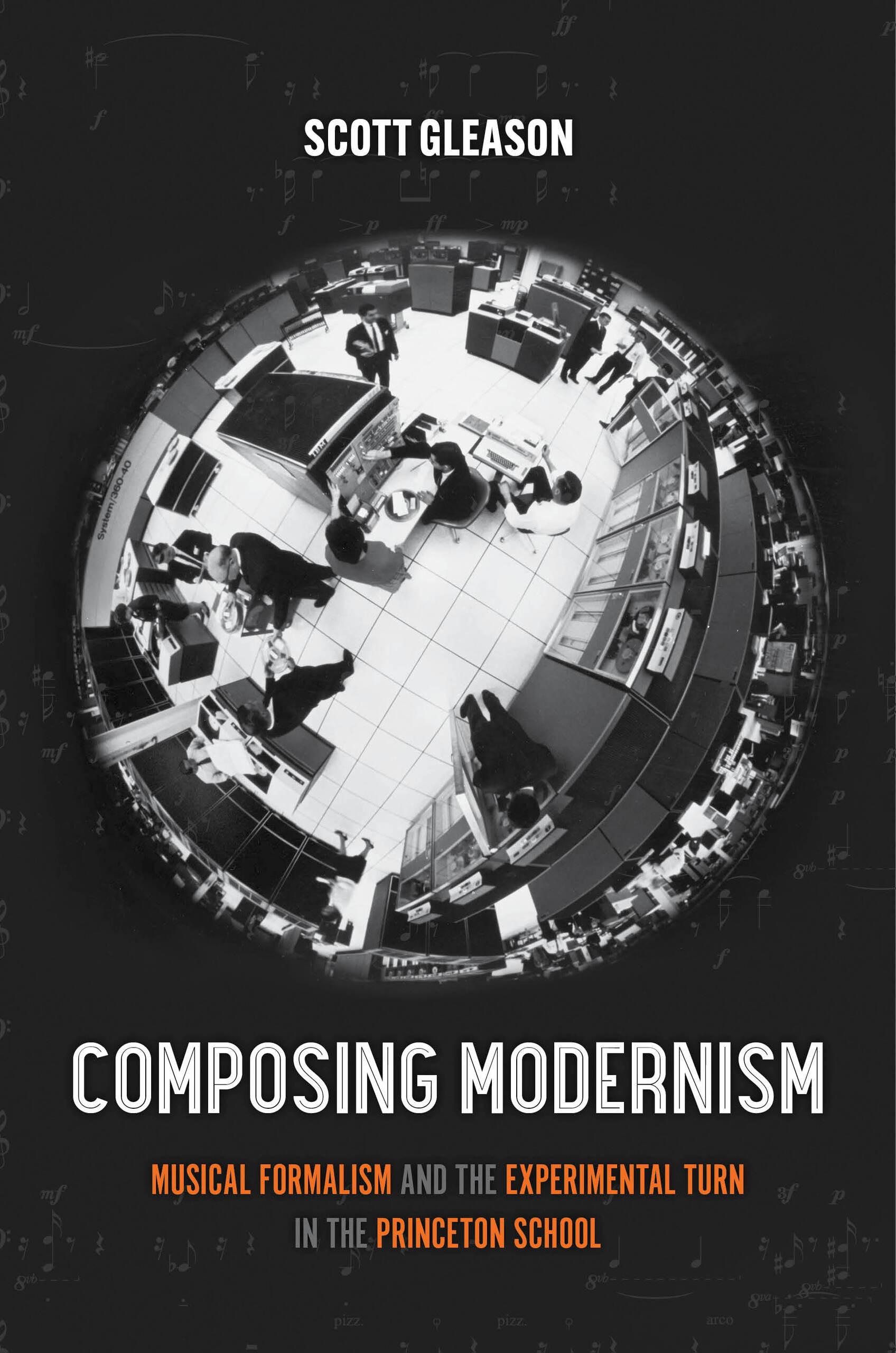
Composing Modernism is the first book-length study to tell the fascinating story of a key strain of American composition during the Cold War. The Princeton School set aspirations for postwar music composition and discourse. Milton Babbitt especially sought a scientific conception of the composing researcher. Around 1967, J. K. Randall began challenging the School's tenets of twelve-tone composition, music-theoretical axiomatization, and electronic synthesis. Randall, Elaine Barkin, and Benjamin Boretz embraced Cagean experimentalism and turned to phenomenology, improvisation, and new forms of community making. This book explores these contrasting paradigms of the musical avant-garde, with a focus on the people, subjects, and aesthetic and formal aspects of a major force in Cold War music. By uncovering many of the ideologies of the Princeton School, Scott Gleason highlights the utopian thought that was central across several generations of Princeton composer-theorists.
Betaal eenvoudig met kaart, Klarna, Apple Pay of Google Pay. Niet tevreden? Je hebt altijd 14 dagen bedenktijd. Lees meer in onze voorwaarden. Heb je vragen, mail ons dan via hello@memmo.org.
Memmo maakt studeren makkelijker – waar je ook bent ter wereld. Wij brengen je cursusboeken en slimme studietools samen op één plek: samenvattingen, quizzen, podcasts en flashcards. En Ted, je studievriend die antwoord geeft op alles wat je je afvraagt. Meer dan 50.000 studenten studeren hier al – gebouwd om je sneller te laten leren en minder stress te geven.