
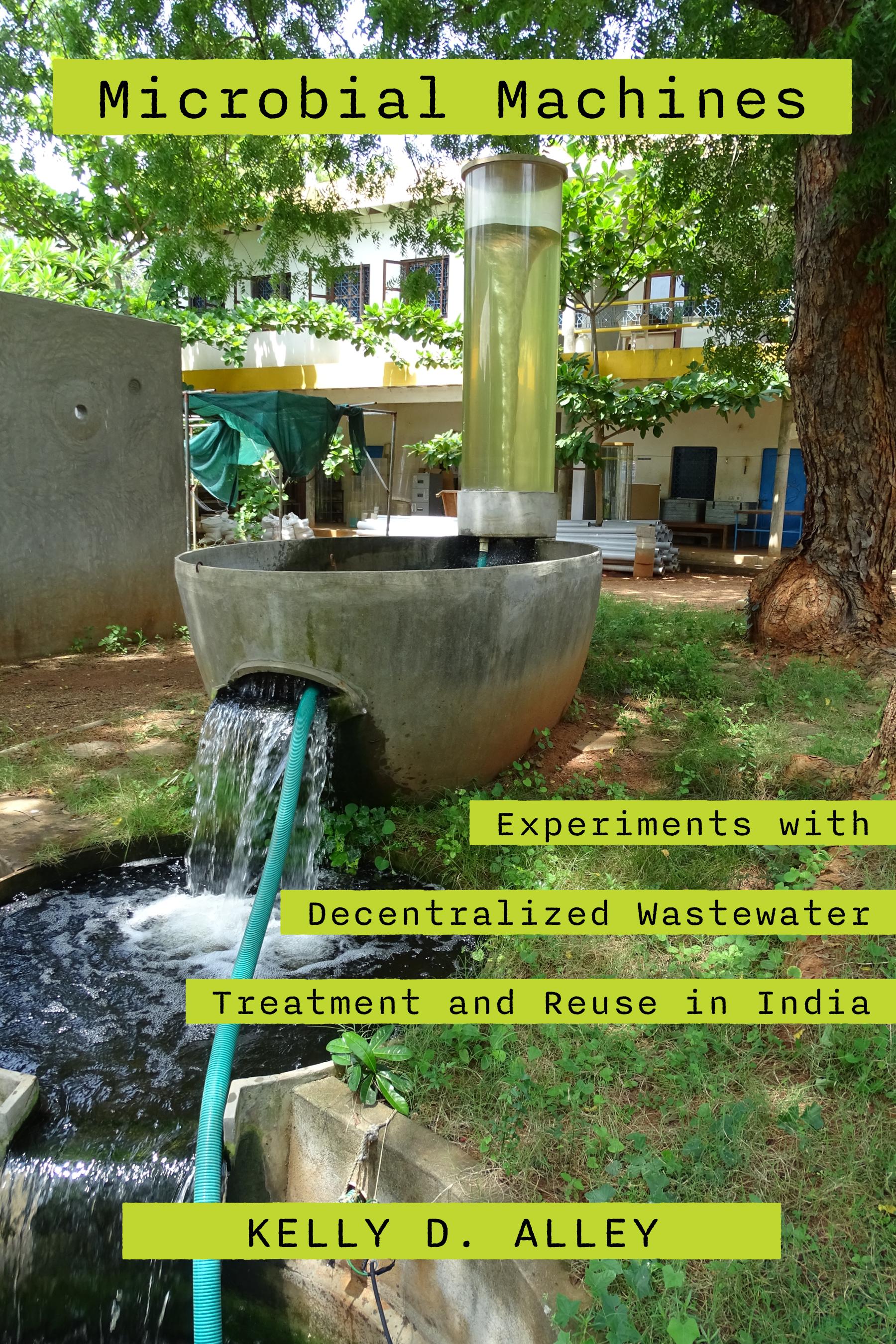
Around 2004, members of governmental and nongovernmental organizations, science institutes, and private companies throughout India began brainstorming and then experimenting with small-scale treatment systems that could produce usable water from wastewater. Through detailed case studies, Microbial Machines describes how residents, workers, and scientists interact with technology, science, and engineering during the processes of treatment and reuse. Using a human-machine-microbe framework, Kelly Alley explores the ways that people's sensory perceptions of water—including disgust—are dynamic and how people use machines and microbes to digest wastewater. A better understanding of how the human and nonhuman interact in these processes will enable people to generate more effective methods for treating and reusing wastewater. While decentralized wastewater treatment systems may not be a perfect solution, they alleviate resource stress in regions that are particularly hard hit by climate change. These case studies have broad relevance for solving similar problems in many other places around the world.
Betaal eenvoudig met kaart, Klarna, Apple Pay of Google Pay. Niet tevreden? Je hebt altijd 14 dagen bedenktijd. Lees meer in onze voorwaarden. Heb je vragen, mail ons dan via hello@memmo.org.
Memmo maakt studeren makkelijker – waar je ook bent ter wereld. Wij brengen je cursusboeken en slimme studietools samen op één plek: samenvattingen, quizzen, podcasts en flashcards. En Ted, je studievriend die antwoord geeft op alles wat je je afvraagt. Meer dan 50.000 studenten studeren hier al – gebouwd om je sneller te laten leren en minder stress te geven.
Misschien vind je dit ook leuk
Koop het boek0