
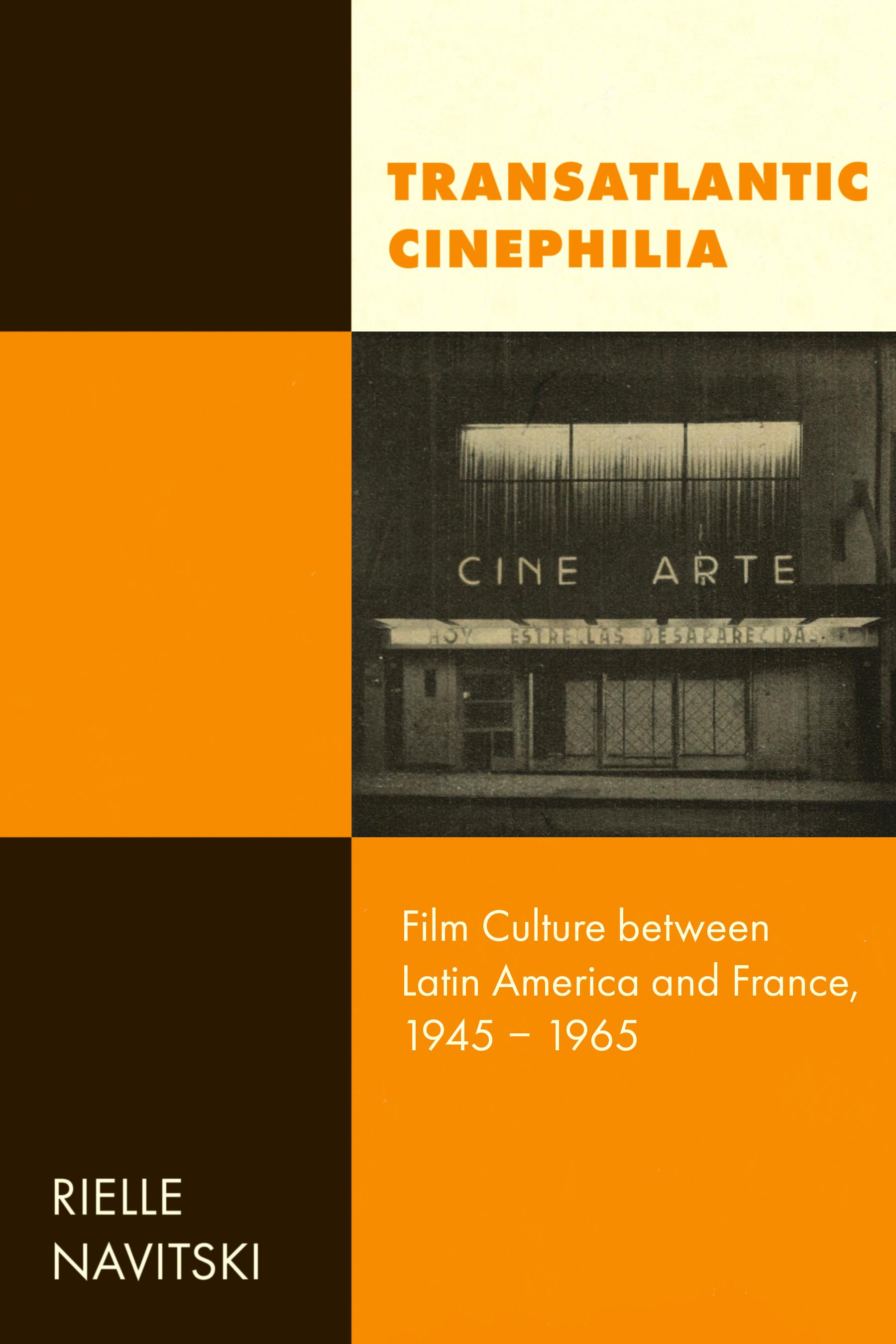
In the two decades after World War II, a vibrant cultural infrastructure of cineclubs, archives, festivals, and film schools took shape in Latin America through the labor of film enthusiasts who often worked in concert with French and France-based organizations. In promoting the emerging concept and practice of art cinema, these film-related institutions advanced geopolitical and class interests simultaneously in a polarized Cold War climate. Seeking to sharpen viewers' critical faculties as a safeguard against ideological extremes, institutions of film culture lent prestige to Latin America's growing middle classes and capitalized on official and unofficial efforts to boost the circulation of French cinema, enhancing the nation's soft power in the wake of military defeat and occupation. As the first book-length, transnational analysis of postwar Latin American film culture, Transatlantic Cinephilia deepens our understanding of how institutional networks have nurtured alternative and nontheatrical cinemas.
Betaal eenvoudig met kaart, Klarna, Apple Pay of Google Pay. Niet tevreden? Je hebt altijd 14 dagen bedenktijd. Lees meer in onze voorwaarden. Heb je vragen, mail ons dan via hello@memmo.org.
Memmo maakt studeren makkelijker – waar je ook bent ter wereld. Wij brengen je cursusboeken en slimme studietools samen op één plek: samenvattingen, quizzen, podcasts en flashcards. En Ted, je studievriend die antwoord geeft op alles wat je je afvraagt. Meer dan 50.000 studenten studeren hier al – gebouwd om je sneller te laten leren en minder stress te geven.
Misschien vind je dit ook leuk
Koop het boek0