
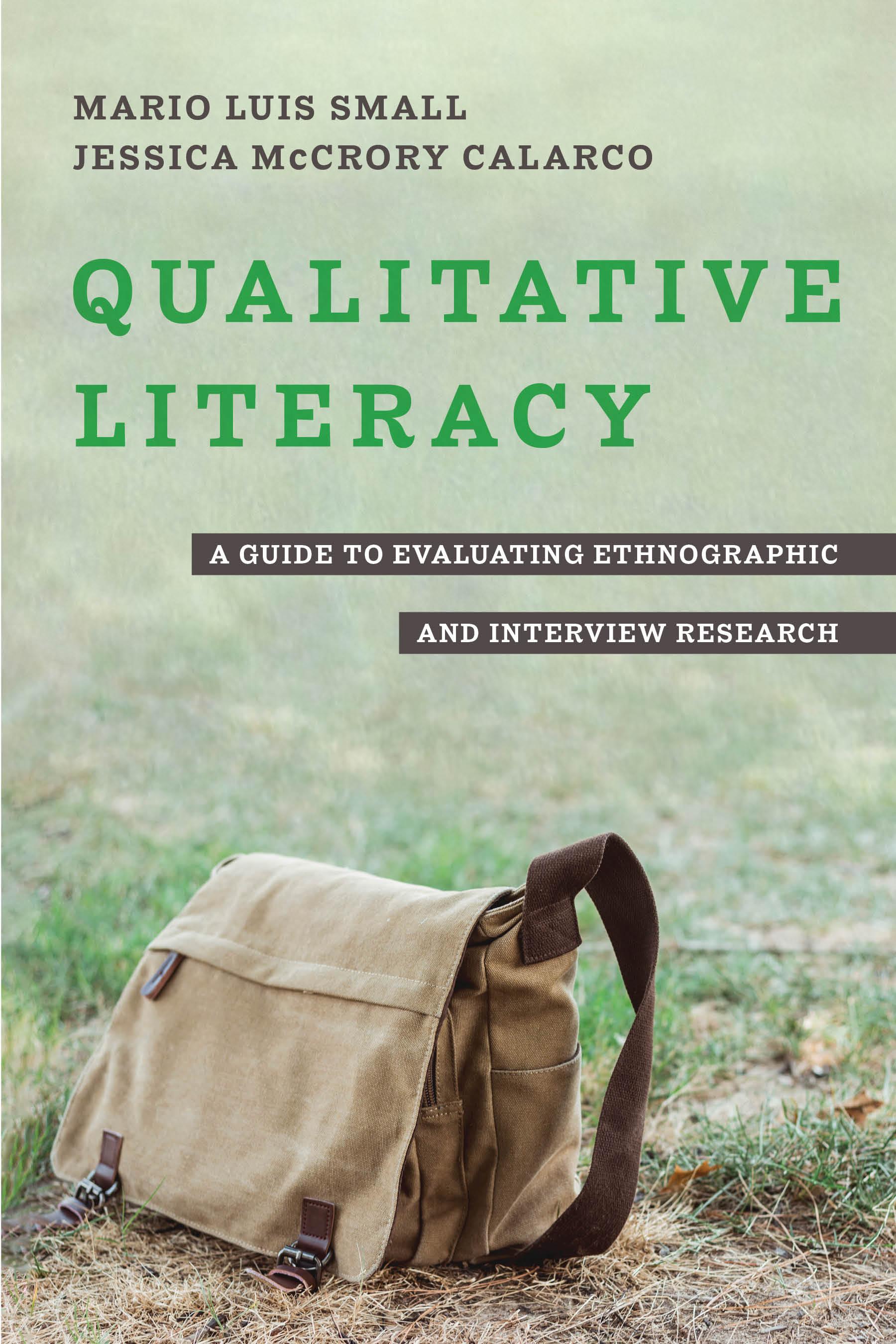
Suppose you were given two qualitative studies: one is a piece of empirically sound social science and the other, though interesting and beautifully written, is not. How would you tell the difference? Qualitative Literacy presents criteria to assess qualitative research methods such as in-depth interviewing and participant observation. Qualitative research is indispensable to the study of inequality, poverty, education, public health, immigration, the family, and criminal justice. Each of the hundreds of ethnographic and interview studies published yearly on these issues is scientifically either sound or unsound. This guide provides social scientists, researchers, students, evaluators, policy makers, and journalists with the tools needed to identify and evaluate quality in field research.
Betaal eenvoudig met kaart, Klarna, Apple Pay of Google Pay. Niet tevreden? Je hebt altijd 14 dagen bedenktijd. Lees meer in onze voorwaarden. Heb je vragen, mail ons dan via hello@memmo.org.
Memmo maakt studeren makkelijker – waar je ook bent ter wereld. Wij brengen je cursusboeken en slimme studietools samen op één plek: samenvattingen, quizzen, podcasts en flashcards. En Ted, je studievriend die antwoord geeft op alles wat je je afvraagt. Meer dan 50.000 studenten studeren hier al – gebouwd om je sneller te laten leren en minder stress te geven.
Misschien vind je dit ook leuk
Koop het boek0