
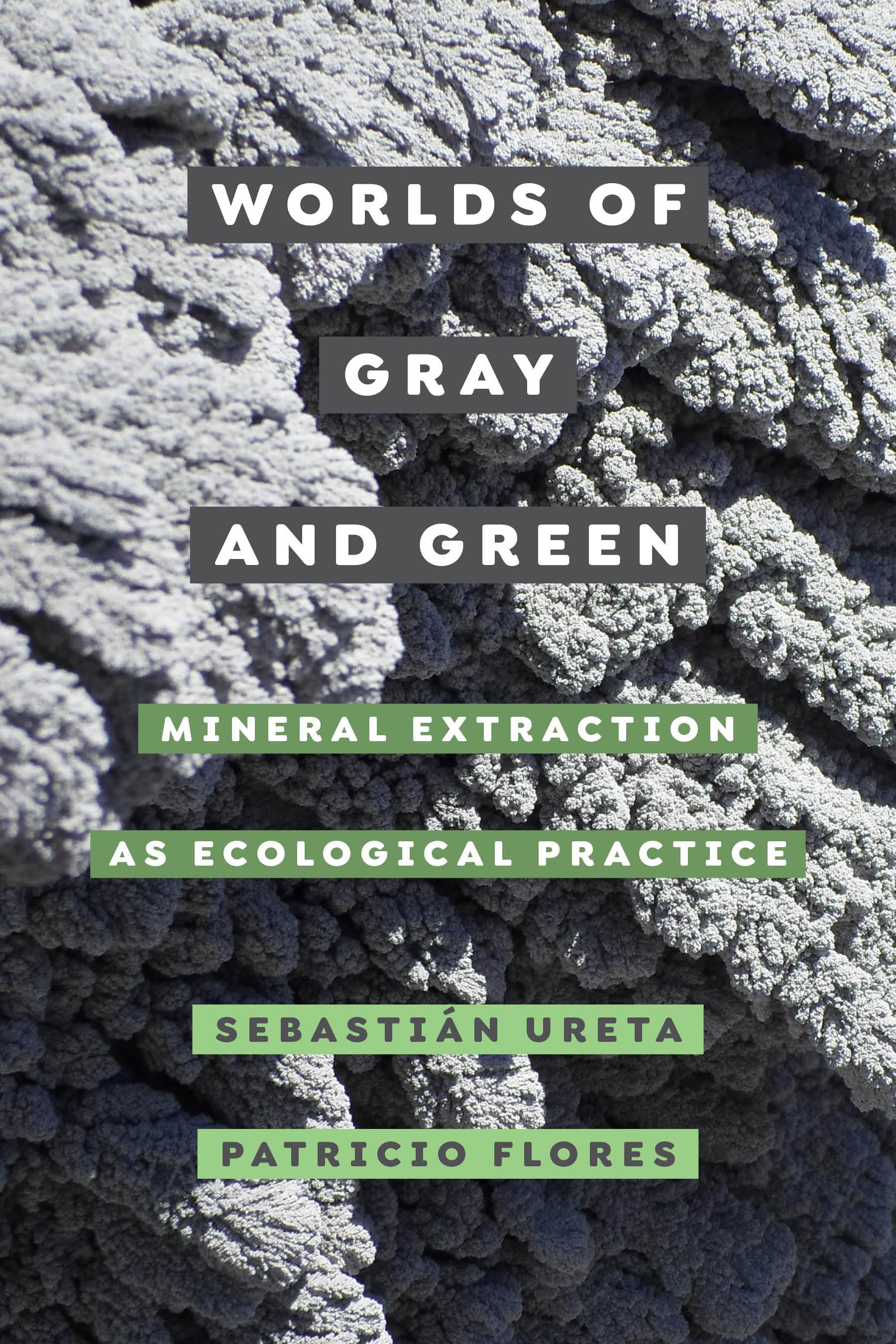
The Anthropocene has arrived riding a wave of pollution. From "forever chemicals" to oceanic garbage patches, human-made chemical compounds are seemingly everywhere. Concerned about how these compounds disrupt multiple lives and ecologies, environmental scholars, activists, and affected communities have sought to curb the causes of pollution, focusing especially on the extractive industries. In Worlds of Gray and Green, authors Sebastián Ureta and Patricio Flores challenge us to rethink extraction as ecological practice. Adopting an environmental humanities analytic lens, Ureta and Flores offer a rich ethnographic exploration of the waste produced by Chile's El Teniente, the world's largest underground mine. Deposited in a massive dam, the waste—known as tailings—engages with human and non-human entities in multiple ways through a process the authors call geosymbiosis. Some of these geosymbioses result in toxicity and damage, while others become the basis of lively novel ecologies. A particular kind of power emerges in the process, one that is radically indifferent to human beings but that affects them in many ways. Learning to live with geosymbioses offers a tentative path forward amid ongoing environmental devastation.
Betaal eenvoudig met kaart, Klarna, Apple Pay of Google Pay. Niet tevreden? Je hebt altijd 14 dagen bedenktijd. Lees meer in onze voorwaarden. Heb je vragen, mail ons dan via hello@memmo.org.
Memmo maakt studeren makkelijker – waar je ook bent ter wereld. Wij brengen je cursusboeken en slimme studietools samen op één plek: samenvattingen, quizzen, podcasts en flashcards. En Ted, je studievriend die antwoord geeft op alles wat je je afvraagt. Meer dan 50.000 studenten studeren hier al – gebouwd om je sneller te laten leren en minder stress te geven.
Misschien vind je dit ook leuk
Koop het boek0