
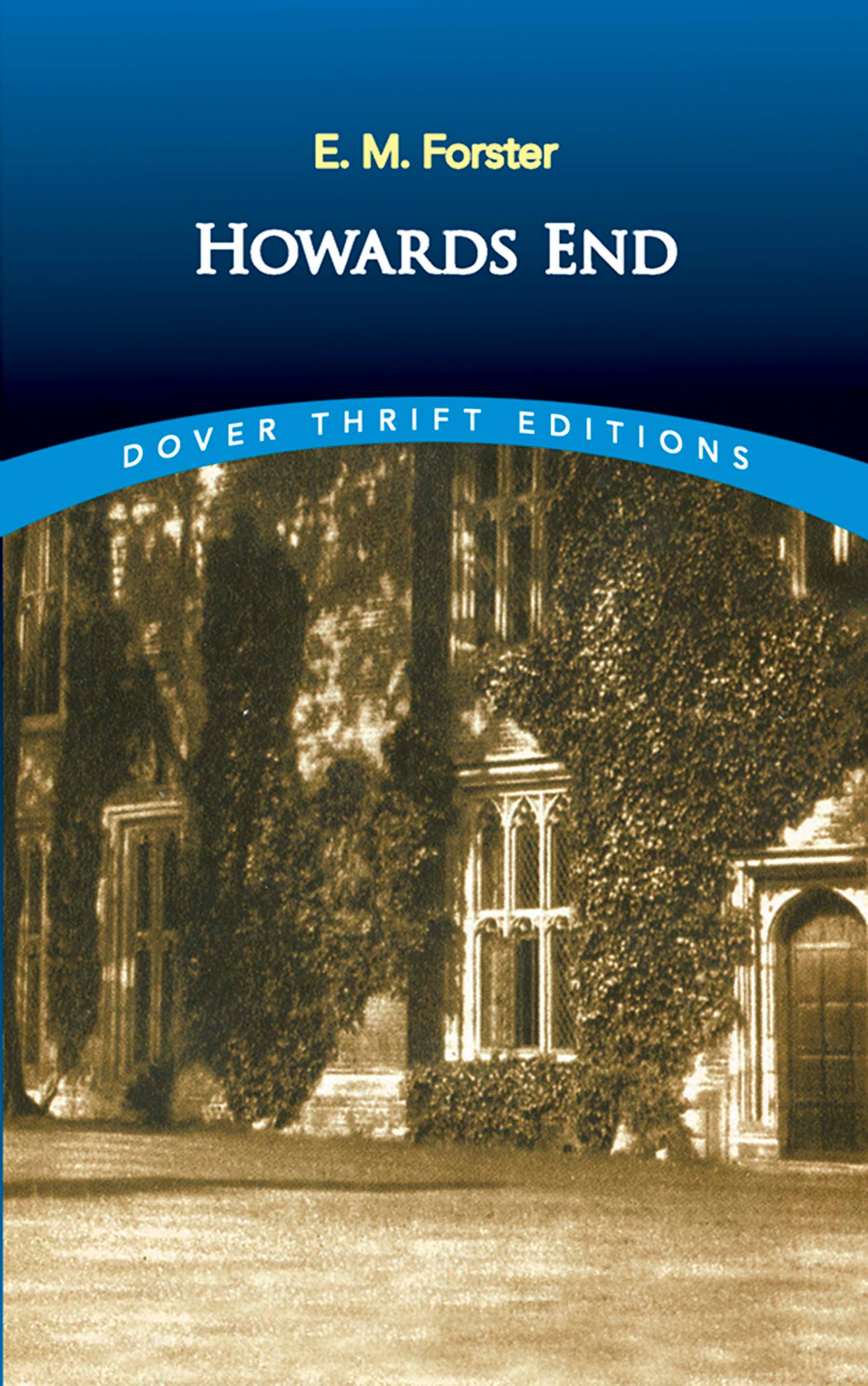
The self-interested disregard of a dying woman's bequest, an impulsive girl's attempt to help an impoverished clerk, and the marriage between an idealist and a materialist — all intersect at a Hertfordshire estate called Howards End. The fate of this beloved country home symbolizes the future of England itself in E. M. Forster's exploration of social, economic, and philosophical trends, as exemplified by three families: the Schlegels, symbolizing the idealistic and intellectual aspect of the upper classes; the Wilcoxes, representing upper-class pragmatism and materialism; and the Basts, embodying the aspirations of the lower classes. Published in 1910, Howards End won international acclaim for its insightful portrait of English life during the post-Victorian era.
Betaal eenvoudig met kaart, Klarna, Apple Pay of Google Pay. Niet tevreden? Je hebt altijd 14 dagen bedenktijd. Lees meer in onze voorwaarden. Heb je vragen, mail ons dan via hello@memmo.org.
Memmo maakt studeren makkelijker – waar je ook bent ter wereld. Wij brengen je cursusboeken en slimme studietools samen op één plek: samenvattingen, quizzen, podcasts en flashcards. En Ted, je studievriend die antwoord geeft op alles wat je je afvraagt. Meer dan 50.000 studenten studeren hier al – gebouwd om je sneller te laten leren en minder stress te geven.
Misschien vind je dit ook leuk
Koop het boek0