
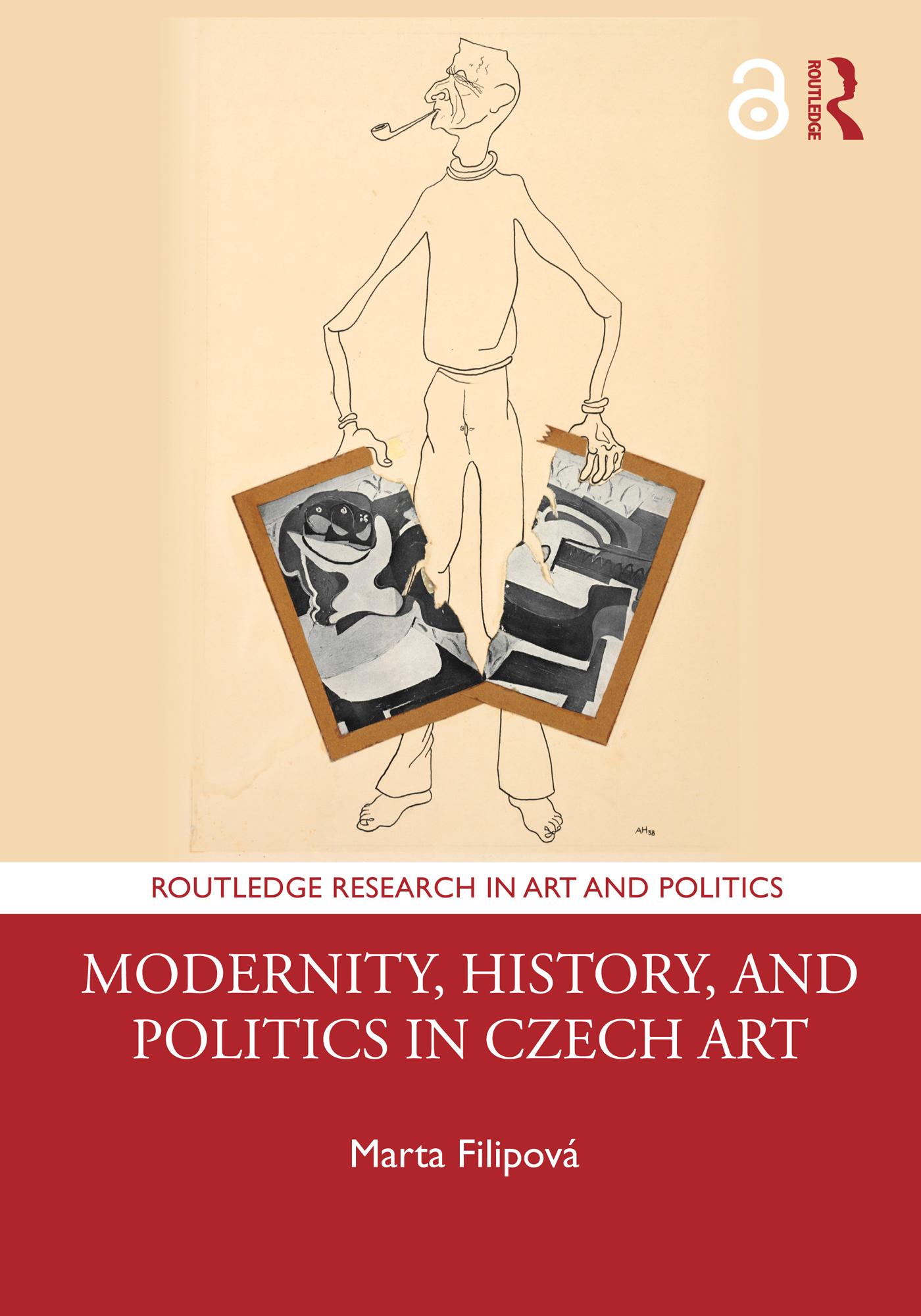
This book traces the influence of the changing political environment on Czech art, criticism, history, and theory between 1895 and 1939, looking beyond the avant-garde to the peripheries of modern art. The period is marked by radical political changes, the formation of national and regional identities, and the rise of modernism in Central Europe – specifically, the collapse of Austria-Hungary and the creation of the new democratic state of Czechoslovakia. Marta Filipová studies the way in which narratives of modern art were formed in a constant negotiation and dialogue between an effort to be international and a desire to remain authentically local.
The Open Access version of this book, available at http://www.taylorfrancis.com, has been made available under a Creative Commons Attribution-Non Commercial-No Derivatives 4.0 license.
Betaal eenvoudig met kaart, Klarna, Apple Pay of Google Pay. Niet tevreden? Je hebt altijd 14 dagen bedenktijd. Lees meer in onze voorwaarden. Heb je vragen, mail ons dan via hello@memmo.org.
Memmo maakt studeren makkelijker – waar je ook bent ter wereld. Wij brengen je cursusboeken en slimme studietools samen op één plek: samenvattingen, quizzen, podcasts en flashcards. En Ted, je studievriend die antwoord geeft op alles wat je je afvraagt. Meer dan 50.000 studenten studeren hier al – gebouwd om je sneller te laten leren en minder stress te geven.