
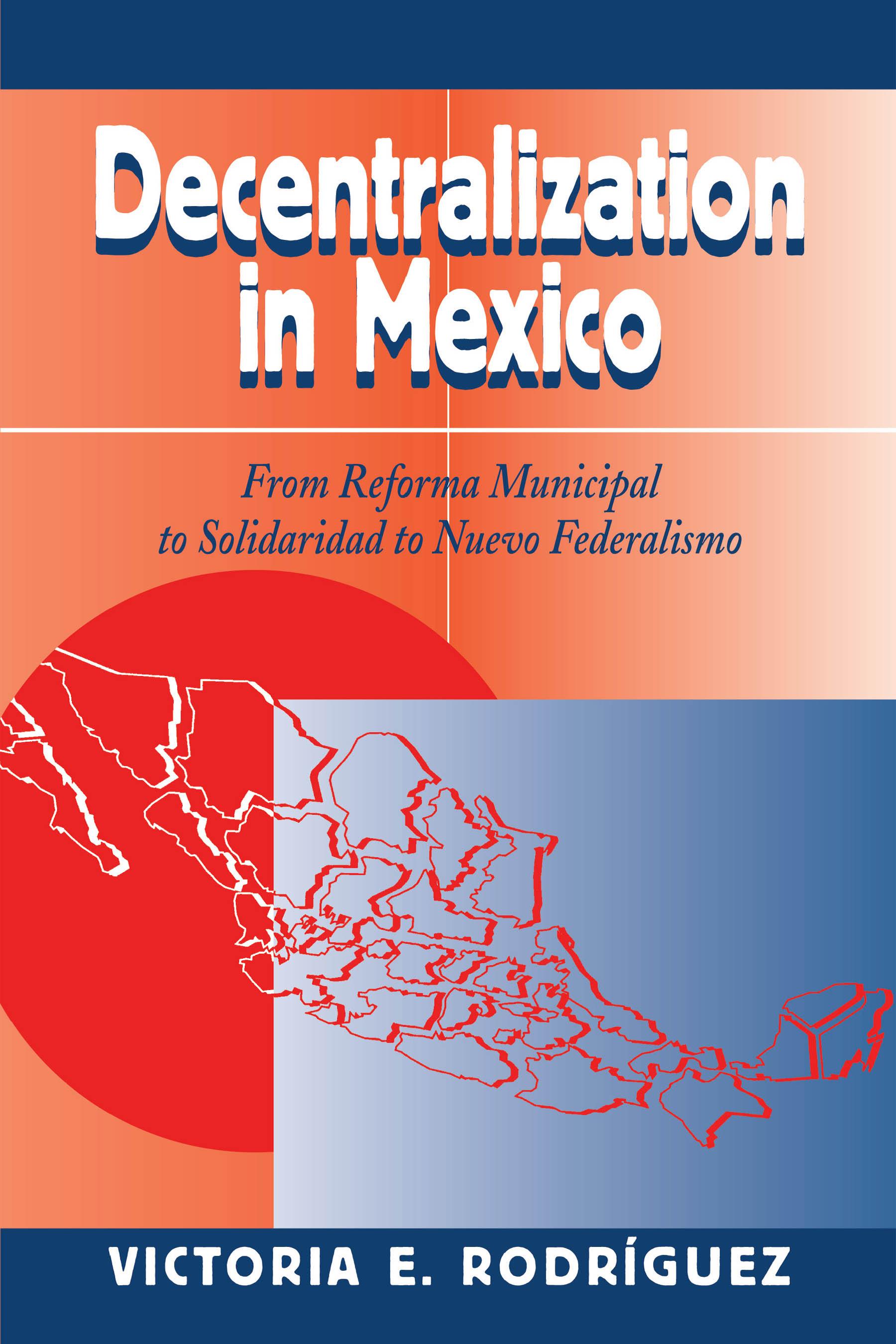
This book assesses the impact of decentralization on Mexico’s intergovernmental relations and examines the constraints upon the devolution of political power from the center to the lower levels of government. It also discusses the distribution of power and authority to governments of opposition parties within the context of a more open political space. Victoria Rodríguez uncovers a new paradox in the Mexican political system: retaining power by giving it away. She argues that since the de la Madrid presidency (1982–1988), the Mexican government has embarked upon a major effort of political and administrative decentralization as a means to increase its hold on power. That effort continued under Salinas, but paradoxically led to further centralization. However, since Zedillo assumed the presidency, it has become increasingly clear that the survival of the ruling party and, indeed, the viability of his own government require a genuine, de facto reduction of centralism.
Betaal eenvoudig met kaart, Klarna, Apple Pay of Google Pay. Niet tevreden? Je hebt altijd 14 dagen bedenktijd. Lees meer in onze voorwaarden. Heb je vragen, mail ons dan via hello@memmo.org.
Memmo maakt studeren makkelijker – waar je ook bent ter wereld. Wij brengen je cursusboeken en slimme studietools samen op één plek: samenvattingen, quizzen, podcasts en flashcards. En Ted, je studievriend die antwoord geeft op alles wat je je afvraagt. Meer dan 50.000 studenten studeren hier al – gebouwd om je sneller te laten leren en minder stress te geven.
Misschien vind je dit ook leuk
Koop het boek0