
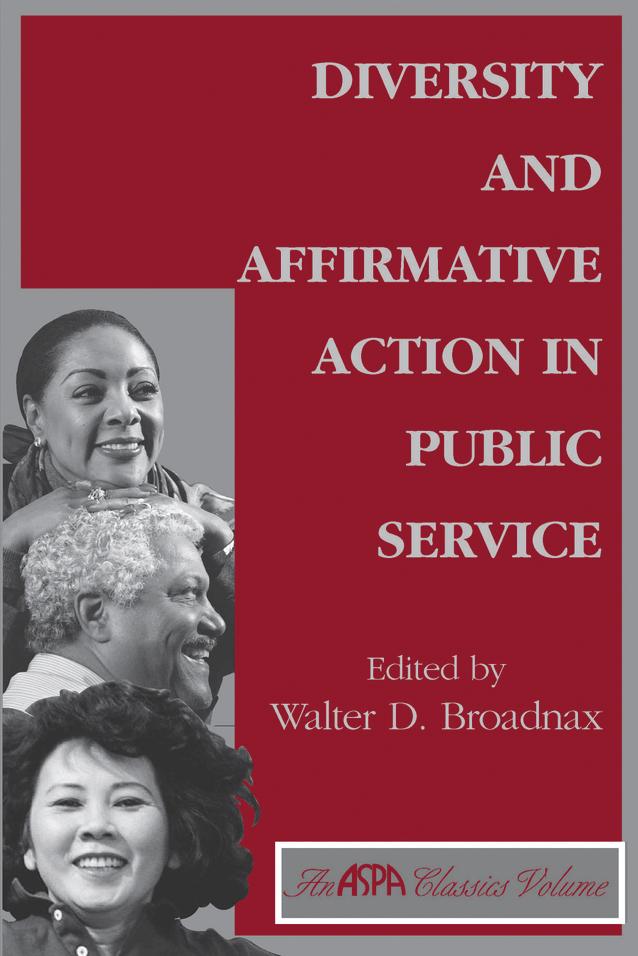
In 1968 a theory of social equity was developed and put forward as the "third pillar for public administration, with the same status as economy and efficiency as values or principles to which public administration should adhere. Considerable progress has been made in social equity in the past 20 years. Theoretically, the works ofRawls and Rae and associates provide a language and a road map for understanding the complexity of the subject. The courts were especially supportive of principles of social equity in the later years of Chief Justice Earl Warren and during the years of Chief Justice Warren Burger. The present period, marked by the leadership of William Rehnquist, evidences a significant drawing back from the earlier commitment to equity. The decisions of state courts, based upon state constitutions and the common law, hold considerable promise for advancing social equity principles. Scholarly research demonstrates the belief of the American people in fairness, justice, and equality and their recognition of the complexity of the subject and their ambivalence toward competing claims for equality. Research on public administration finds that bureaucratic decision rules and the processes of policy implementation tend to favor principles of social equity.
Betaal eenvoudig met kaart, Klarna, Apple Pay of Google Pay. Niet tevreden? Je hebt altijd 14 dagen bedenktijd. Lees meer in onze voorwaarden. Heb je vragen, mail ons dan via hello@memmo.org.
Memmo maakt studeren makkelijker – waar je ook bent ter wereld. Wij brengen je cursusboeken en slimme studietools samen op één plek: samenvattingen, quizzen, podcasts en flashcards. En Ted, je studievriend die antwoord geeft op alles wat je je afvraagt. Meer dan 50.000 studenten studeren hier al – gebouwd om je sneller te laten leren en minder stress te geven.
Misschien vind je dit ook leuk
Koop het boek0