
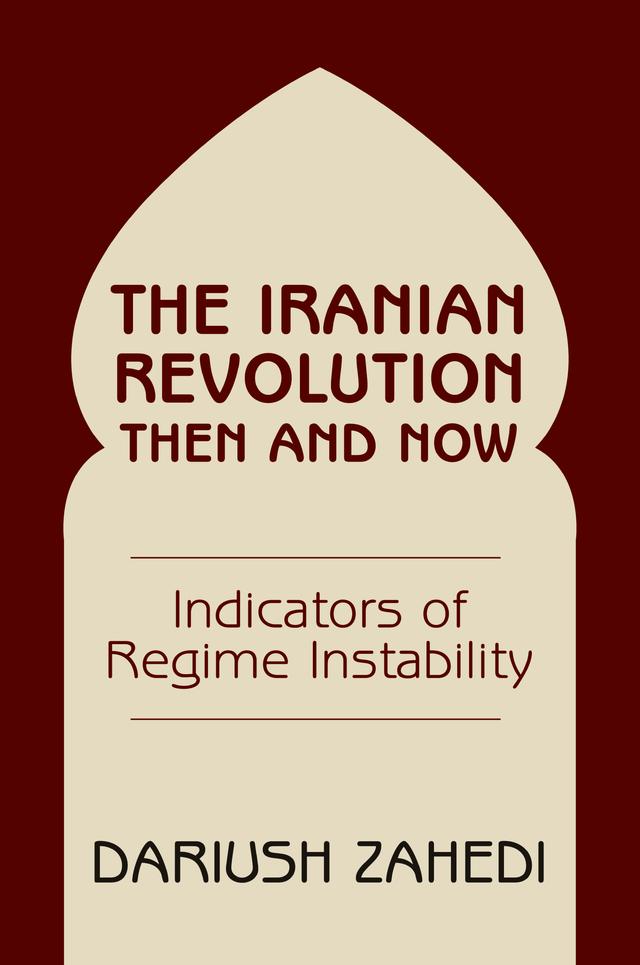
In The Iranian Revolution Then and Now , Dariush Zahedi assesses the Islamic Republic's potential for revolution through an in-depth, theoretically informed, comparative analysis of the present with 1979 pre-Revolutionary Iran. Zahedi discusses how the potential for a revolutionary coup is based on two things: the inherent defects and vulnerabilities in the regime and the coordinated actions of the social groups and individuals opposed to the regime. He also identifies two ideal-typical forms of revolutionary change. }In The Iranian Revolution Then and Now , Dariush Zahedi assesses the Islamic Republic's potential for revolution through an in-depth, theoretically informed, comparative analysis of the present with 1979 pre-Revolutionary Iran. Zahedi discusses how the potential for a revolutionary coup is based on two things: the inherent defects and vulnerabilities in the regime and the coordinated actions of the social groups and individuals opposed to the regime. He also identifies two ideal-typical forms of revolutionary change (the regime collapses on its own, or, the regime is overthrown). He concludes that the chances for overthrowing the present regime are moderate. }
Betaal eenvoudig met kaart, Klarna, Apple Pay of Google Pay. Niet tevreden? Je hebt altijd 14 dagen bedenktijd. Lees meer in onze voorwaarden. Heb je vragen, mail ons dan via hello@memmo.org.
Memmo maakt studeren makkelijker – waar je ook bent ter wereld. Wij brengen je cursusboeken en slimme studietools samen op één plek: samenvattingen, quizzen, podcasts en flashcards. En Ted, je studievriend die antwoord geeft op alles wat je je afvraagt. Meer dan 50.000 studenten studeren hier al – gebouwd om je sneller te laten leren en minder stress te geven.