
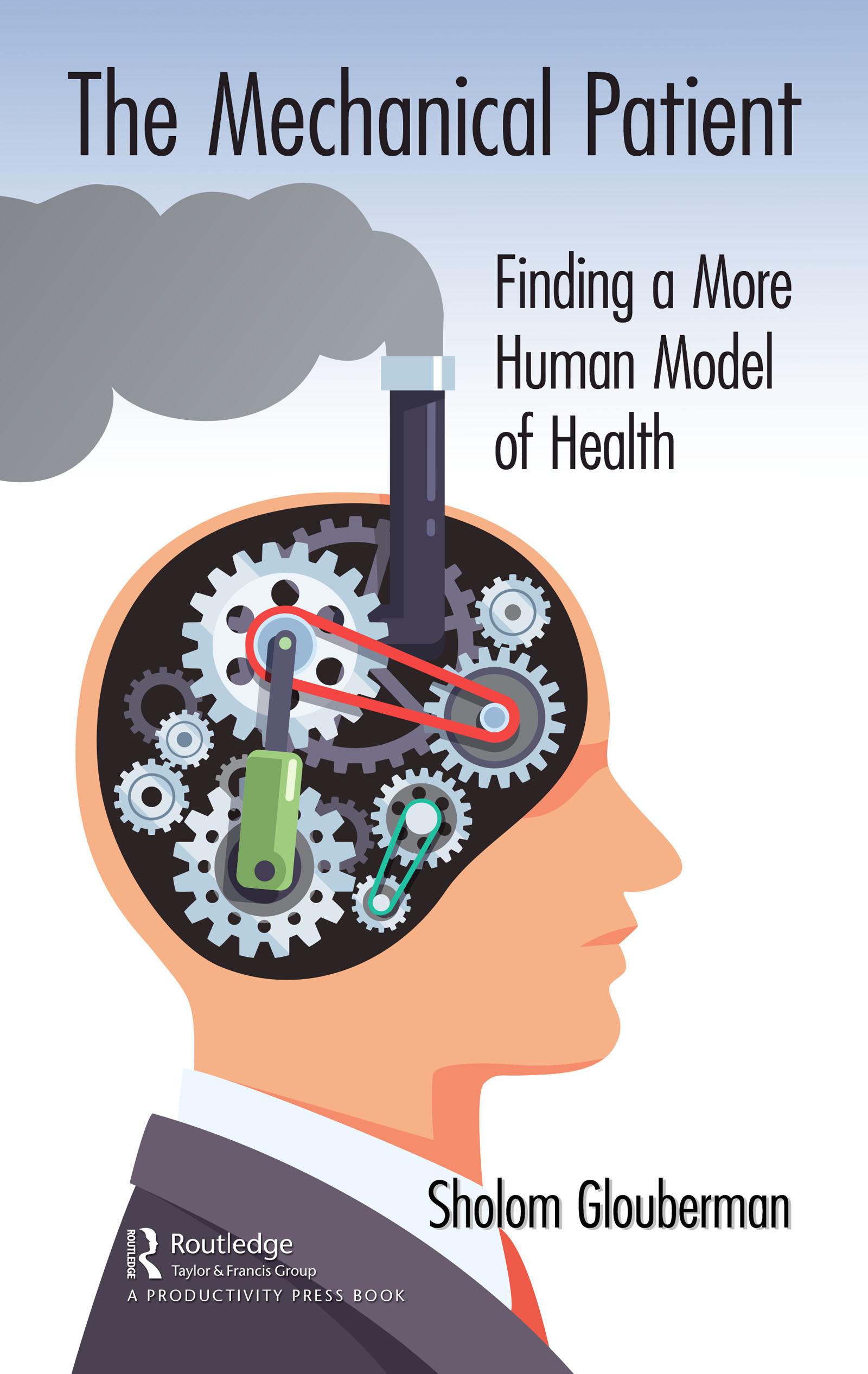
Healthcare is very much dependent on the model of the patient that is assumed by healthcare providers. The current model derives from a chemical/mechanical view of the patient body. Simply put: we are healthy if all of our mechanical parts are working properly and if all of the chemicals in our body are in the right proportions and have the appropriate reactions. This view is based on philosophical accounts of the body that go back to Paracelsus, Descartes, Boyle and others. It became the central basis of medical practice only in the late 19th Century after several hundred years of research and professional politics.
The Mechanical Patient traces the intellectual development of the chemical/mechanical model of the patient and its implementation. This book names the problem that we have with the mechanical patient and prepares us to respond to its exaggerated place in our society. It provides a historical and conceptual background and explains how the chemical/mechanical model of health gained such a strong hold over our thinking and took the place of the earlier Galenic humoral model. It sketches a promising outline of a more humanized model for understanding health and calls for help to fully articulate it. In that way, it joins a growing movement to go beyond our current chemical/mechanical orientation.
Betaal eenvoudig met kaart, Klarna, Apple Pay of Google Pay. Niet tevreden? Je hebt altijd 14 dagen bedenktijd. Lees meer in onze voorwaarden. Heb je vragen, mail ons dan via hello@memmo.org.
Memmo maakt studeren makkelijker – waar je ook bent ter wereld. Wij brengen je cursusboeken en slimme studietools samen op één plek: samenvattingen, quizzen, podcasts en flashcards. En Ted, je studievriend die antwoord geeft op alles wat je je afvraagt. Meer dan 50.000 studenten studeren hier al – gebouwd om je sneller te laten leren en minder stress te geven.