
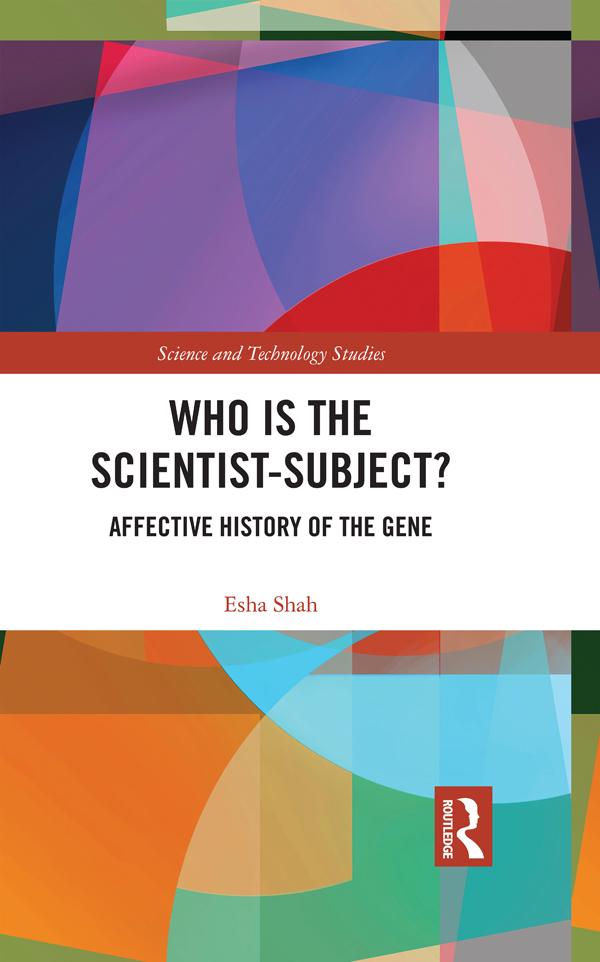
This book explores two disparate sets of debates in the history and philosophy of the life sciences: the history of subjectivity in shaping objective science and the history of dominance of reductionism in molecular biology. It questions the dominant conception of the scientist-subject as a neo-Kantian ideal self – that is, the scientist as a unified and wilful, self-determined, self-regulated, active and autonomous, rational subject wilfully driven by social and scientific ethos – in favour of a narrative that shows how the microcosm of reductionism is sustained, adopted, questioned, or challenged in the creative struggles of the scientist-subject.
The author covers a century-long history of the concept of the gene as a series of "pioneering moments" through an engagement with life-writings of eminent scientists to show how their ways of being and belonging relate with the making of the science. The scientist-self is theorized as fundamentally a feeling, experiencing, and suffering subject split between the conscious and unconscious and constitutive of personality aspects that are emotional/psychological, "situated" (cultural and ideological), metaphysical, intersubjective, and existential at the same time.
An engaging interdisciplinary interpretation of the dominance of reductionism in genetic science, this book will be of major interest to scholars and researchers of science, history, and philosophy alike.
Betaal eenvoudig met kaart, Klarna, Apple Pay of Google Pay. Niet tevreden? Je hebt altijd 14 dagen bedenktijd. Lees meer in onze voorwaarden. Heb je vragen, mail ons dan via hello@memmo.org.
Memmo maakt studeren makkelijker – waar je ook bent ter wereld. Wij brengen je cursusboeken en slimme studietools samen op één plek: samenvattingen, quizzen, podcasts en flashcards. En Ted, je studievriend die antwoord geeft op alles wat je je afvraagt. Meer dan 50.000 studenten studeren hier al – gebouwd om je sneller te laten leren en minder stress te geven.