
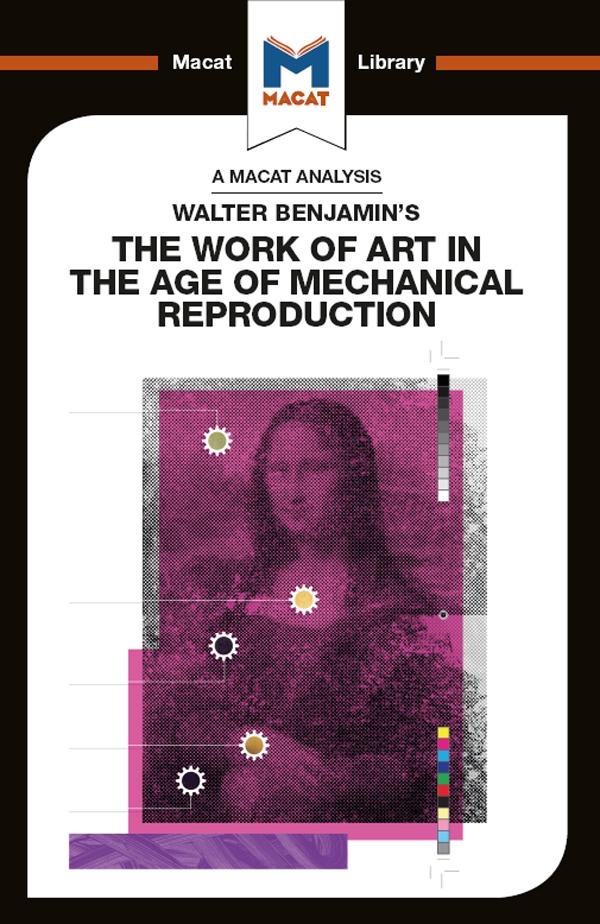
The Work of Art in the Age of Mechanical Reproduction combats traditional art criticism’s treatment of artworks as fixed, unchanging mystical objects. For Walter Benjamin, the consequences of addressing a work of art in this manner have a wider resonance: closed off from any active visual or tactile engagement, the work of art becomes an object of passive contemplation and a potential tool of oppression.
Benjamin argues that technology has fundamentally altered the way art is experienced. Potentially open to interpretation and accessible to many, art in the age of mechanical reproduction has the potential to be mobilized for radical purposes. While ostensibly addressing the artistic consequences of technical reproducibility on art, Benjamin also addresses the wider political consequences of this shift.
Betaal eenvoudig met kaart, Klarna, Apple Pay of Google Pay. Niet tevreden? Je hebt altijd 14 dagen bedenktijd. Lees meer in onze voorwaarden. Heb je vragen, mail ons dan via hello@memmo.org.
Memmo maakt studeren makkelijker – waar je ook bent ter wereld. Wij brengen je cursusboeken en slimme studietools samen op één plek: samenvattingen, quizzen, podcasts en flashcards. En Ted, je studievriend die antwoord geeft op alles wat je je afvraagt. Meer dan 50.000 studenten studeren hier al – gebouwd om je sneller te laten leren en minder stress te geven.