
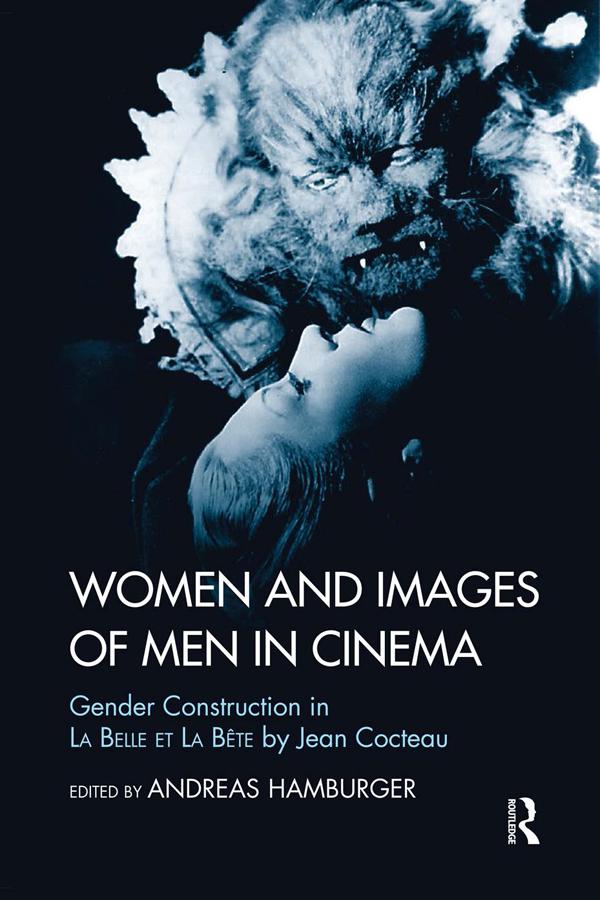
Women and men in cinema are imaginary constructs created by filmmakers and their audiences. The film-psychoanalytic approach reveals how movies subliminally influence unconscious reception. On the other hand, the movie is embedded in a cultural tradition: Jean Cocteau's film La Belle et la Bete (1946) takes up the classic motif of the animal groom from the story of Cupid and Psyche in Apuleius' The Golden Ass (originally a tale about the stunning momentum of genuine female desire), liberates it from its baroque educational moral (a girl's virtue and prudence will help her to overcome her sexual fears), and turns it into a boyhood story: inside the ugly rascal there is a good, but relatively boring prince - at least in comparison to the monsters of film history. In the seventy years since it was made, La Belle et la Bete has inspired numerous interpretations and has been employed by theorists of all genres and interests.
Betaal eenvoudig met kaart, Klarna, Apple Pay of Google Pay. Niet tevreden? Je hebt altijd 14 dagen bedenktijd. Lees meer in onze voorwaarden. Heb je vragen, mail ons dan via hello@memmo.org.
Memmo maakt studeren makkelijker – waar je ook bent ter wereld. Wij brengen je cursusboeken en slimme studietools samen op één plek: samenvattingen, quizzen, podcasts en flashcards. En Ted, je studievriend die antwoord geeft op alles wat je je afvraagt. Meer dan 50.000 studenten studeren hier al – gebouwd om je sneller te laten leren en minder stress te geven.