
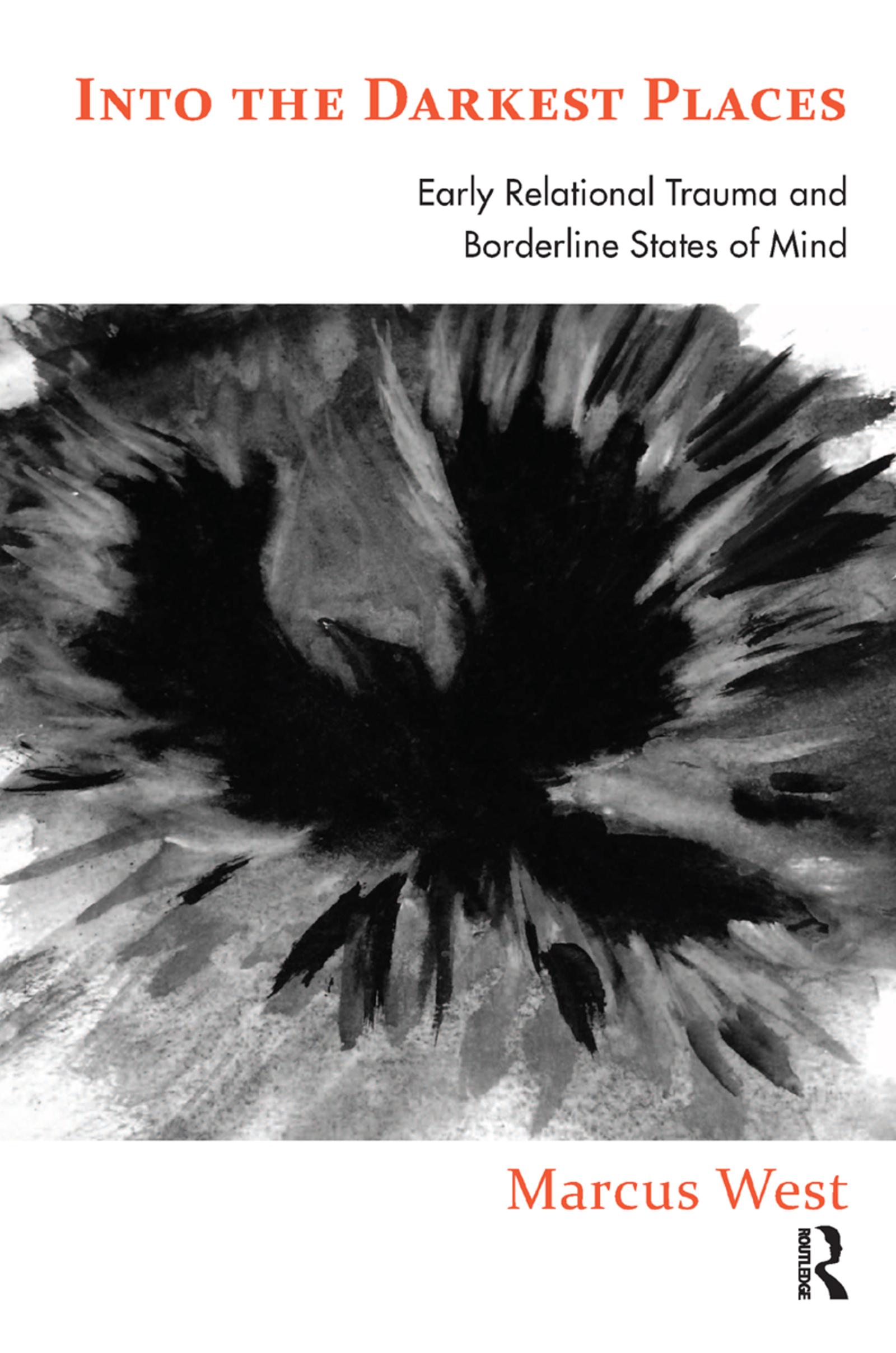
This book explores the roots of borderline states of mind in early relational trauma and shows how it is possible, and necessary, to visit 'the darkest places' in order to work through these traumas. This is despite the fact that re-experiencing such traumas is unbearable for the patient and they naturally want to enlist the analyst in ensuring that they will never be experienced again. This is the backdrop for the extreme pressures and roles that are constellated in the analysis that can lead to impasse or breakdown of the analytic relationship. The author explores how these areas can be negotiated safely and that, whilst drawing heavily on recent developments in attachment, relational, trauma and infant development theory, an analytic attitude needs to be maintained in order to integrate these experiences and allow the individual to feel, finally, accepted and whole. The book builds on Freud's views of repetition compulsion and re-enactment and develops Jung's concept of the traumatic complex.
Betaal eenvoudig met kaart, Klarna, Apple Pay of Google Pay. Niet tevreden? Je hebt altijd 14 dagen bedenktijd. Lees meer in onze voorwaarden. Heb je vragen, mail ons dan via hello@memmo.org.
Memmo maakt studeren makkelijker – waar je ook bent ter wereld. Wij brengen je cursusboeken en slimme studietools samen op één plek: samenvattingen, quizzen, podcasts en flashcards. En Ted, je studievriend die antwoord geeft op alles wat je je afvraagt. Meer dan 50.000 studenten studeren hier al – gebouwd om je sneller te laten leren en minder stress te geven.
Misschien vind je dit ook leuk
Koop het boek0