
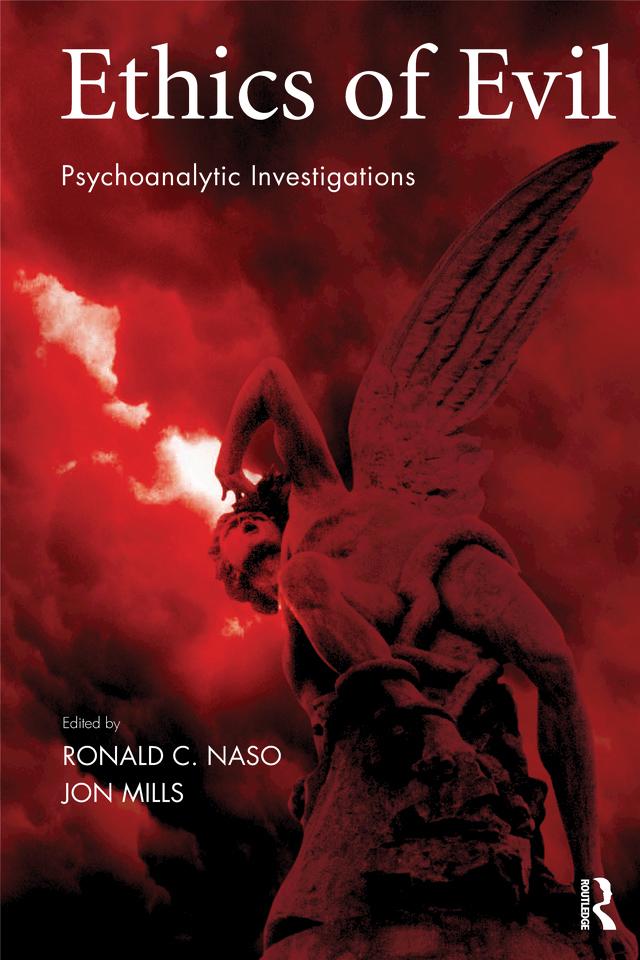
In today's world where every form of transgression enjoys a psychological motive and rational justification, psychoanalysis stands alone in its ability to uncover the hidden motives that inform individual and social collective behaviour. Both in theory and practice, it bears witness to the impact of anonymity on the potential for perpetration, especially when others are experienced as faceless, disposable objects whose otherness is, at bottom, but a projection, displacement, and denial of our own interiority-in short, the evil within. In keeping with this perspective, Ethics of Evil rejects facile rationalizations of violence; it also rejects the idea that evil, as a concept, is inscrutable or animated by demonic forces. Instead, it evaluates the moral framework in which evil is situated, providing a descriptive understanding of it as a plurality and a depth psychological perspective on the threat it poses for our well-being and ways of life. In so doing, it also fashions and articulates an ethical stance that recognizes the intrinsic link between human freedom and the potential for evil.
Betaal eenvoudig met kaart, Klarna, Apple Pay of Google Pay. Niet tevreden? Je hebt altijd 14 dagen bedenktijd. Lees meer in onze voorwaarden. Heb je vragen, mail ons dan via hello@memmo.org.
Memmo maakt studeren makkelijker – waar je ook bent ter wereld. Wij brengen je cursusboeken en slimme studietools samen op één plek: samenvattingen, quizzen, podcasts en flashcards. En Ted, je studievriend die antwoord geeft op alles wat je je afvraagt. Meer dan 50.000 studenten studeren hier al – gebouwd om je sneller te laten leren en minder stress te geven.