
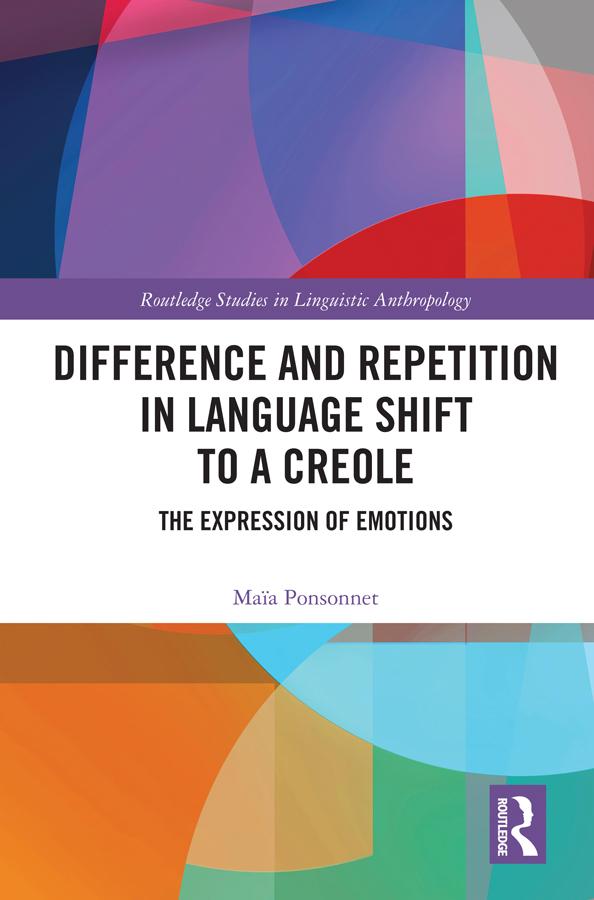
In today’s global commerce and communication, linguistic diversity is in steady decline across the world as speakers of smaller languages adopt dominant forms. While this phenomenon, known as ‘language shift’, is usually regarded as a loss, this book adopts a different angle and addresses the following questions:
- What difference does using a new language make to the way speakers communicate in everyday life?
- Can the grammatical and lexical architectures of individual languages influence what speakers express?
- In other words, to what extent does adopting a new language alter speakers’ day-to-day communication practices, and in turn, perhaps, their social life and world views?
To answer these questions, this book studies the expression of emotions in two languages on each side of a shift: Kriol, an English-based creole spoken in northern Australia, and Dalabon (Gunwinyguan, non-Pama-Nyungan), an Australian Aboriginal language that is being replaced by Kriol.
This volume is the first to explore the influence of the formal properties of language on the expression of emotions, as well as the first description of the linguistic encoding of emotions in a creole language. The cross-disciplinary approach will appeal to linguists, psychologists, anthropologists and other social scientists.
Betaal eenvoudig met kaart, Klarna, Apple Pay of Google Pay. Niet tevreden? Je hebt altijd 14 dagen bedenktijd. Lees meer in onze voorwaarden. Heb je vragen, mail ons dan via hello@memmo.org.
Memmo maakt studeren makkelijker – waar je ook bent ter wereld. Wij brengen je cursusboeken en slimme studietools samen op één plek: samenvattingen, quizzen, podcasts en flashcards. En Ted, je studievriend die antwoord geeft op alles wat je je afvraagt. Meer dan 50.000 studenten studeren hier al – gebouwd om je sneller te laten leren en minder stress te geven.