
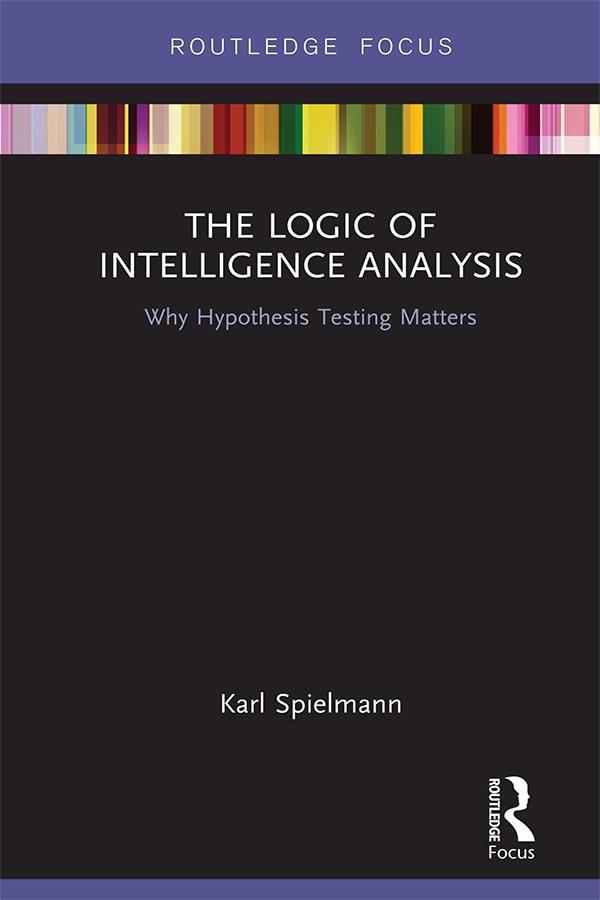
This book discusses the application of hypothesis testing to the practice of intelligence analysis.
By drawing on longstanding procedures of scientific method, particularly hypothesis testing, this book strongly critiques standard intelligence analytic practices. It shows these practices to be inadequate, as they are illogical in terms of what formal philosophy says any intelligence analysts can realistically be expected to know, and for the future when analysts will face pressures to adapt to digital age modeling techniques. The methodology focuses on identifying and remedying analytic errors caused by analyst cognitive biases and by foreign denial and deception. To demonstrate that it is a practical tool, it walks analysts through a case study, step by step, to show how its hypothesis testing can be implemented. It also invites a comparative test in the real world with any other intelligence methodologies to assess its strengths and weaknesses in predicting the outcome of an actual "live" intelligence issue.
This book will be of much interest to students of intelligence studies, public policy and national security, as well as practitioners.
Betaal eenvoudig met kaart, Klarna, Apple Pay of Google Pay. Niet tevreden? Je hebt altijd 14 dagen bedenktijd. Lees meer in onze voorwaarden. Heb je vragen, mail ons dan via hello@memmo.org.
Memmo maakt studeren makkelijker – waar je ook bent ter wereld. Wij brengen je cursusboeken en slimme studietools samen op één plek: samenvattingen, quizzen, podcasts en flashcards. En Ted, je studievriend die antwoord geeft op alles wat je je afvraagt. Meer dan 50.000 studenten studeren hier al – gebouwd om je sneller te laten leren en minder stress te geven.