
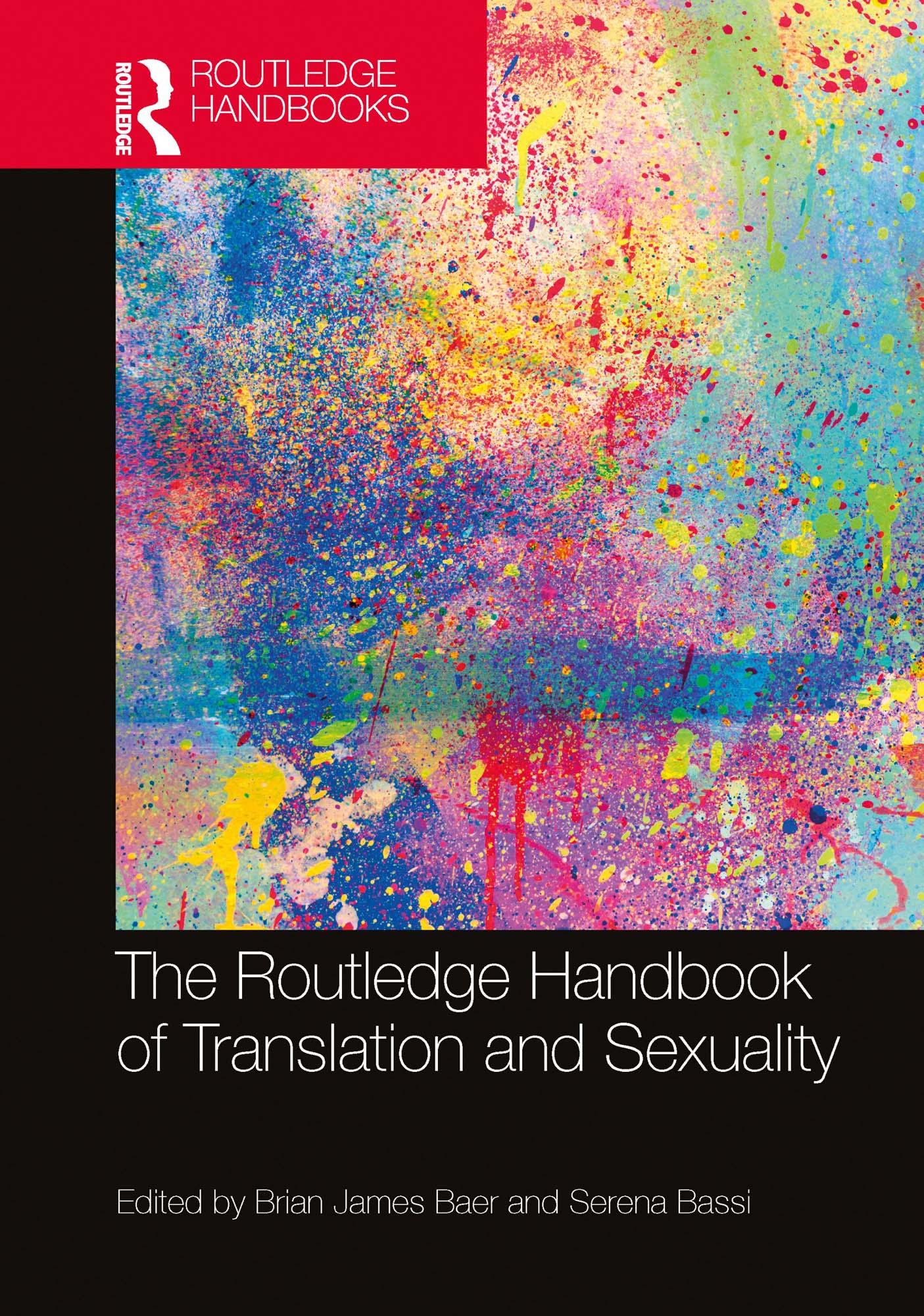
The Routledge Handbook of Translation and Sexuality questions what it would mean to think of sexualities transnationally and explores the way cultural ideas about sex and sexuality are translated across languages. It considers how scholars chart the multilingual rise of the modern sexual sciences in the nineteenth and twentieth centuries, how translators, writers, and readers respond to sexual modernities and to what extent the keywords of queer social movements travel across borders.
The handbook draws from fields as diverse as translation studies, critical multilingualism studies, comparative literature, European studies, Slavic studies, Middle Eastern studies, Latin American studies, and East Asian studies. This pioneering handbook maps out an emerging brand of women’s, gender, and sexuality studies that approaches sexualities as translational formations.
Divided into two parts, the handbook covers:
- Theoretical chapters on the interdisciplinary dialogue between translation studies and queer studies
- Empirical studies of both canonic and minor scientific, religious, literary, philosophical, and political texts about sex and sexuality in translation across a variety of world languages.
With 20 chapters written by leading academics from around the world, The Routledge Handbook of Translation and Sexuality will serve as an important reference for students and scholars in the fields of translation studies, applied linguistics, modern languages, and women’s, gender, and sexuality studies.
Betaal eenvoudig met kaart, Klarna, Apple Pay of Google Pay. Niet tevreden? Je hebt altijd 14 dagen bedenktijd. Lees meer in onze voorwaarden. Heb je vragen, mail ons dan via hello@memmo.org.
Memmo maakt studeren makkelijker – waar je ook bent ter wereld. Wij brengen je cursusboeken en slimme studietools samen op één plek: samenvattingen, quizzen, podcasts en flashcards. En Ted, je studievriend die antwoord geeft op alles wat je je afvraagt. Meer dan 50.000 studenten studeren hier al – gebouwd om je sneller te laten leren en minder stress te geven.