
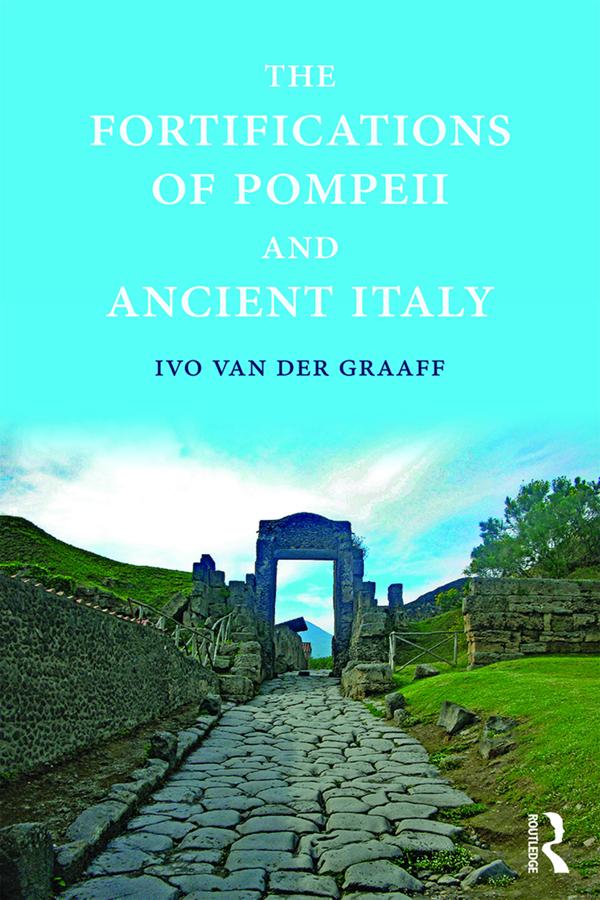
The fortifications of Pompeii stand as the ancient city’s largest, oldest, and best preserved public monument. Over its 700-year history, Pompeii invested significant amounts of money, resources, and labor into (re)building, maintaining, and upgrading the walls. Each intervention on the fortifications marked a pivotal event of social and political change, signaling dramatic shifts in Pompeii’s urban, social, and architectural framework. Although the defenses had a clear military role, their design, construction materials, and aesthetics reflect the political, social, and urban development of the city. Their fate was intertwined with that of Pompeii.
This study redefines Pompeii’s fortifications as a central monument that physically and symbolically shaped the city. It considers the internal and external forces that morphed their appearance and traces how the fortifications served to foster a sense of community. The city wall emerges as a dynamic, ideologically freighted monument that was fundamental to the image and identity of Pompeii. The book is a unique narrative of the social and urban development of the city from foundation to the eruption of Vesuvius, through the lens of the public building most critical to its independence and survival.
Betaal eenvoudig met kaart, Klarna, Apple Pay of Google Pay. Niet tevreden? Je hebt altijd 14 dagen bedenktijd. Lees meer in onze voorwaarden. Heb je vragen, mail ons dan via hello@memmo.org.
Memmo maakt studeren makkelijker – waar je ook bent ter wereld. Wij brengen je cursusboeken en slimme studietools samen op één plek: samenvattingen, quizzen, podcasts en flashcards. En Ted, je studievriend die antwoord geeft op alles wat je je afvraagt. Meer dan 50.000 studenten studeren hier al – gebouwd om je sneller te laten leren en minder stress te geven.