
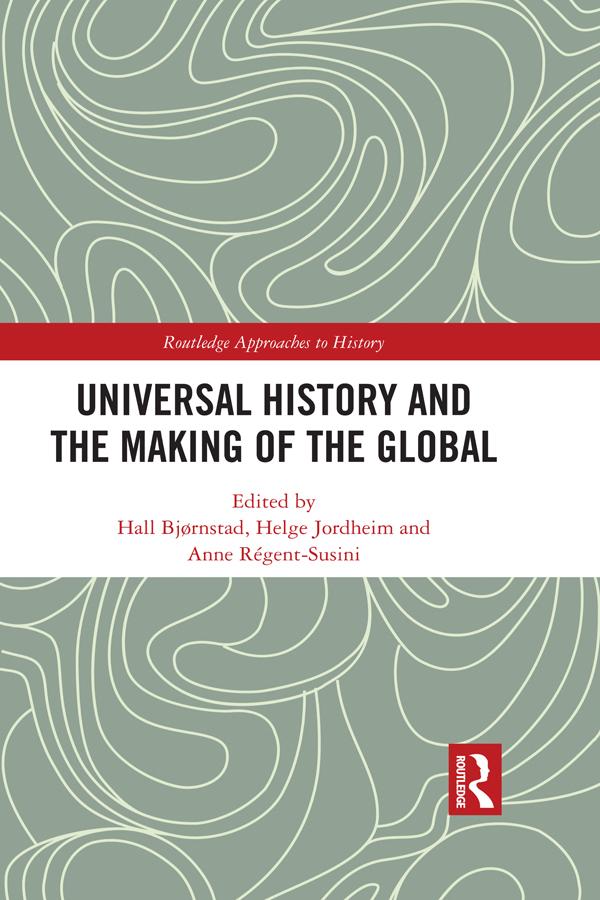
By examining the history of universal history from the late Middle Ages until the early nineteenth century we trace the making of the global. Early modern universal history can be seen as a response to the epistemological crisis provoked by new knowledge and experience. Traditional narratives were no longer sufficient to gain an understanding of events. Inspired by recent developments in theory of history, the volume argues that the relevance of universal history resides in the laboratory of intense, diverse and mainly unsuccessful attempts at thinking history and universals together. They all shared the common aim of integrating all time and space: assemble the world and keep it together.
Betaal eenvoudig met kaart, Klarna, Apple Pay of Google Pay. Niet tevreden? Je hebt altijd 14 dagen bedenktijd. Lees meer in onze voorwaarden. Heb je vragen, mail ons dan via hello@memmo.org.
Memmo maakt studeren makkelijker – waar je ook bent ter wereld. Wij brengen je cursusboeken en slimme studietools samen op één plek: samenvattingen, quizzen, podcasts en flashcards. En Ted, je studievriend die antwoord geeft op alles wat je je afvraagt. Meer dan 50.000 studenten studeren hier al – gebouwd om je sneller te laten leren en minder stress te geven.