
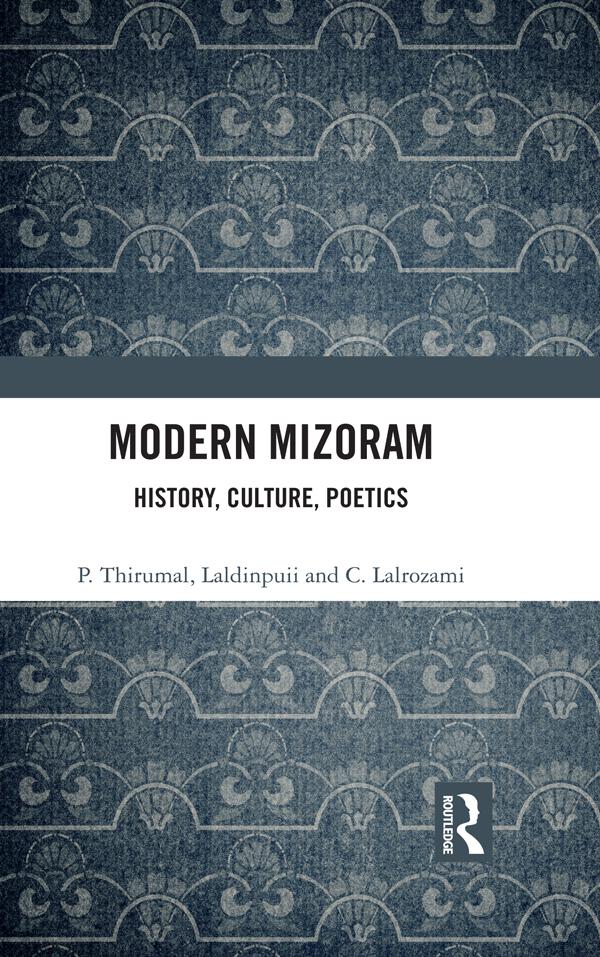
Mizoram is situated at a unique cusp in North East India, in terms of both physical and social contexts. It shares its borders with Myanmar and Bangladesh, while cultural influences range from the indigenous to the Western. This book offers an alternative understanding of the modern history of Mizoram through an analysis of its cultural practices through language, music, poetry and festivals. It explores the roots of modern cultural works not just in Christianity, but also in precolonial Mizo traditional practices. The authors closely examine text, performance and sculptural images, including the first handwritten newspaper Mizo Chanchin Laisuih (1898) and the Puma Zai festival (1907–11) from the early colonial period along with a contemporary sculptural image. They argue that cultural works open up to new forms of interpretations and responses over time. The book indicates that the Mizo creative sensibility enmeshed in theological, capitalistic-material and political/ideological regimes informs its modern enclosures, be it region, religion or nation.
This book will be of great interest to scholars and researchers of cultural studies, literature, media, history, politics, sociology and social anthropology, area studies, North East India studies and South Asian studies.
Betaal eenvoudig met kaart, Klarna, Apple Pay of Google Pay. Niet tevreden? Je hebt altijd 14 dagen bedenktijd. Lees meer in onze voorwaarden. Heb je vragen, mail ons dan via hello@memmo.org.
Memmo maakt studeren makkelijker – waar je ook bent ter wereld. Wij brengen je cursusboeken en slimme studietools samen op één plek: samenvattingen, quizzen, podcasts en flashcards. En Ted, je studievriend die antwoord geeft op alles wat je je afvraagt. Meer dan 50.000 studenten studeren hier al – gebouwd om je sneller te laten leren en minder stress te geven.