
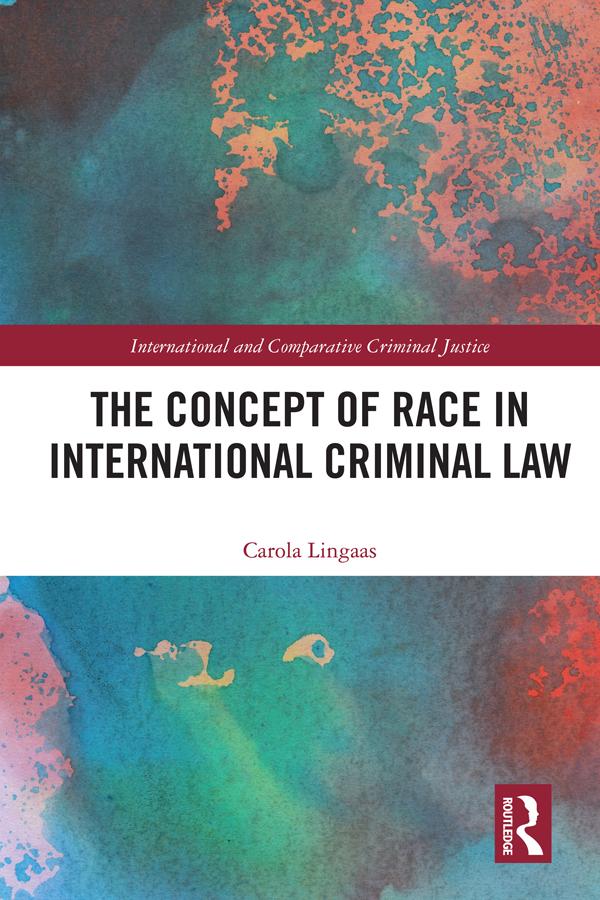
Members of racial groups are protected under international law against genocide, persecution, and apartheid. But what is race – and why was this contentious term not discussed when drafting the Statute of the International Criminal Court? Although the law uses this term, is it legitimate to talk about race today, let alone convict anyone for committing a crime against a racial group?
This book is the first comprehensive study of the concept of race in international criminal law. It explores the theoretical underpinnings for the crimes of genocide, apartheid, and persecution, and analyses all the relevant legal instruments, case law, and scholarship. It exposes how the international criminal tribunals have largely circumvented the topic of race, and how incoherent jurisprudence has resulted in inconsistent protection. The book provides important new interpretations of a problematic concept by subjecting it to a multifaceted and interdisciplinary analysis. The study argues that race in international criminal law should be constructed according to the perpetrator's perception of the victims’ ostensible racial otherness. The perpetrator’s imagination as manifested through his behaviour defines the victims’ racial group membership.
It will be of interest to students and practitioners of international criminal law, as well as those studying genocide, apartheid, and race in domestic and international law.
Betaal eenvoudig met kaart, Klarna, Apple Pay of Google Pay. Niet tevreden? Je hebt altijd 14 dagen bedenktijd. Lees meer in onze voorwaarden. Heb je vragen, mail ons dan via hello@memmo.org.
Memmo maakt studeren makkelijker – waar je ook bent ter wereld. Wij brengen je cursusboeken en slimme studietools samen op één plek: samenvattingen, quizzen, podcasts en flashcards. En Ted, je studievriend die antwoord geeft op alles wat je je afvraagt. Meer dan 50.000 studenten studeren hier al – gebouwd om je sneller te laten leren en minder stress te geven.