
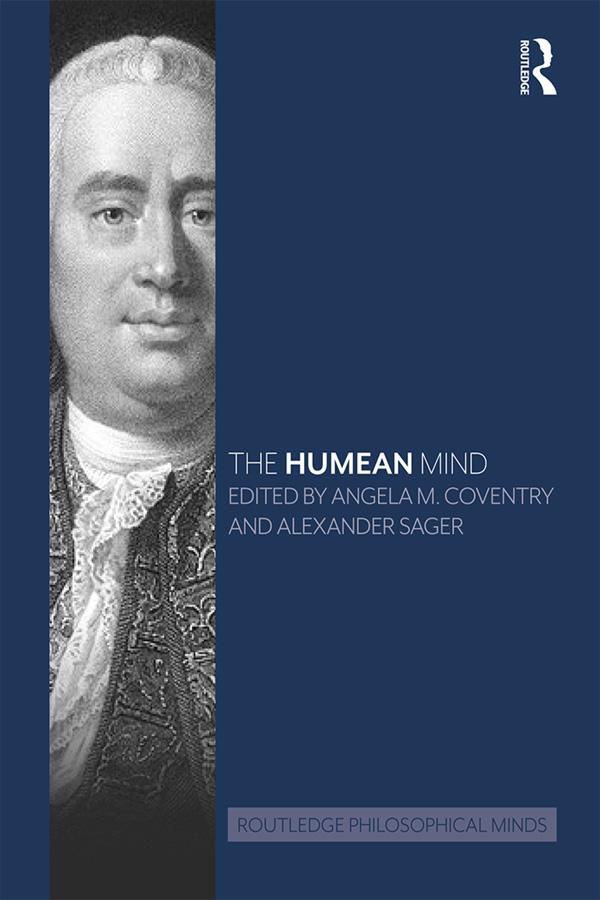
David Hume (1711–1776) is widely acknowledged as one of the most important philosophers in the English language, with his work continuing to exert major influence on philosophy today. His empiricism, naturalism, and psychology of the mind and the passions shape many positions and approaches in the sciences and social sciences.
The Humean Mind seeks to provide a comprehensive survey of his work, not only placing it in its historical context but also exploring its contemporary significance. Comprising 38 chapters by a team of international contributors the Handbook is divided into four sections:
· Intellectual context
· Hume’s thought
· Hume’s reception
· Hume’s legacy
This handbook includes coverage of all major aspects of Hume’s thought with essays spanning the full scope of Hume’s philosophy. Topics explored include Hume’s reception in the eighteenth and nineteenth centuries; Hume’s legacy in the twentieth and twenty-first centuries; Hume’s history, including an essay on Hume as historian, as well as essays on the relevance of history to Hume’s philosophy and his politics, and an updated treatment of Hume’s Legal Philosophy. Also included are essays on race, gender, and animal ethics.
Essential reading for students and researchers in philosophy, Hume’s work is central to epistemology, metaphysics, philosophy of mind, philosophy of science, ethics, legal philosophy and philosophy of religion.
Betaal eenvoudig met kaart, Klarna, Apple Pay of Google Pay. Niet tevreden? Je hebt altijd 14 dagen bedenktijd. Lees meer in onze voorwaarden. Heb je vragen, mail ons dan via hello@memmo.org.
Memmo maakt studeren makkelijker – waar je ook bent ter wereld. Wij brengen je cursusboeken en slimme studietools samen op één plek: samenvattingen, quizzen, podcasts en flashcards. En Ted, je studievriend die antwoord geeft op alles wat je je afvraagt. Meer dan 50.000 studenten studeren hier al – gebouwd om je sneller te laten leren en minder stress te geven.