
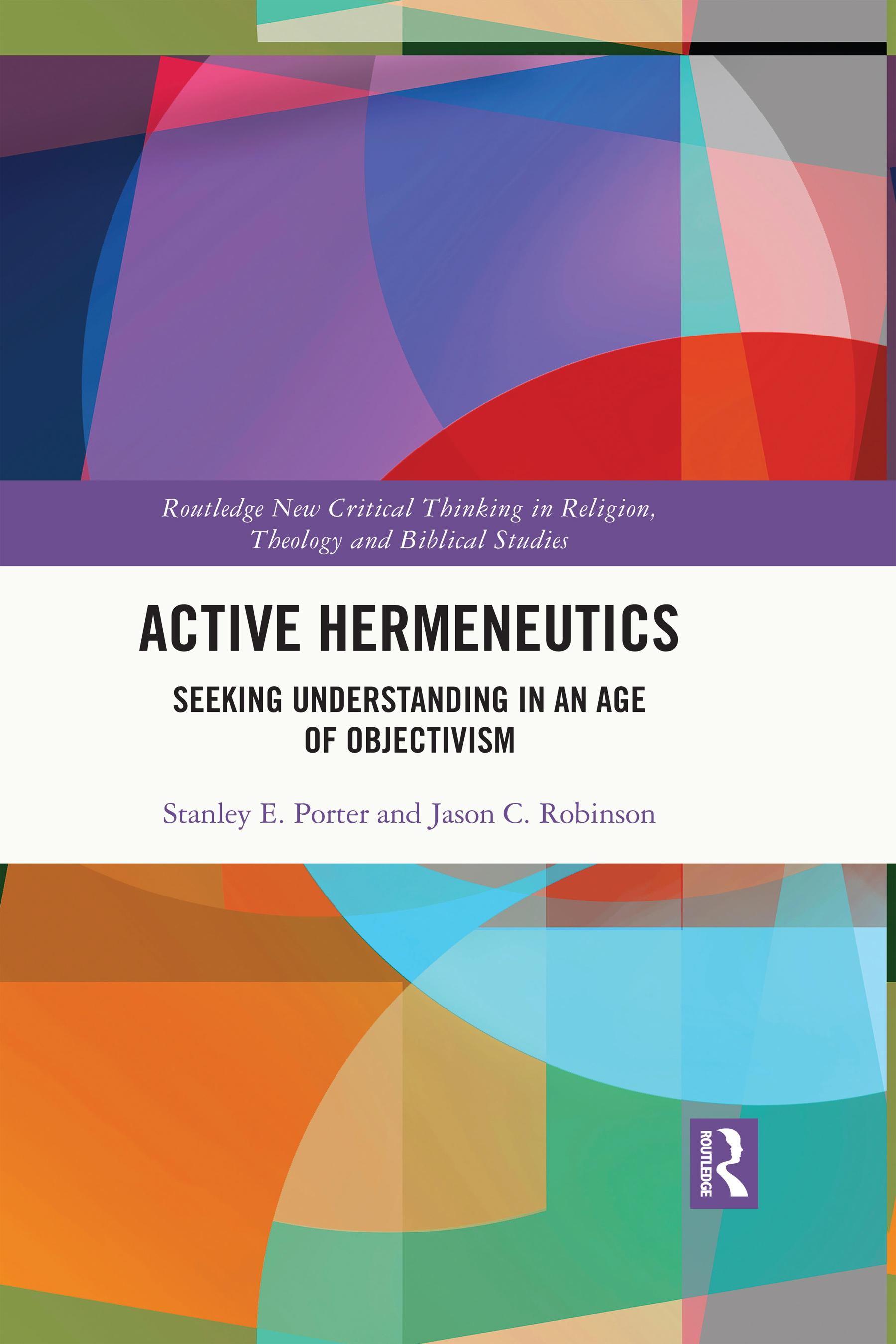
Hermeneutics, as a discipline of the humanities, is often assumed to be in thrall to the same subjectivity of every interpretive method, in direct contrast to the objectivity prized by the natural sciences. This book argues that there is a false dichotomy here, and that ancient and modern ideas of knowledge can be utilized to create a new active form of hermeneutics. One capable of creating a standard by which to judge better and worse models of understanding.
This book explores decisive aspects over which the future of hermeneutics—a future inexplicably tied to a history of hermeneutics—will continue to struggle, namely the limits and possibilities of situated human understanding. This book is located in the middle of a number of major, converging discussions within contemporary intellectual discourse. Drawing upon a wide range of ancient and modern hermeneutical thought, including Aristotle, Bernstein, Heidegger, Kant, and Gadamer, the result is a hermeneutical approach that pushes beyond the traditional limits of human understanding.
This is a bold attempt to move hermeneutics into a new phase. As such, it will be of significant interest to scholars and academics working in General Hermeneutics, Theology, and the Philosophy of Religion.
Betaal eenvoudig met kaart, Klarna, Apple Pay of Google Pay. Niet tevreden? Je hebt altijd 14 dagen bedenktijd. Lees meer in onze voorwaarden. Heb je vragen, mail ons dan via hello@memmo.org.
Memmo maakt studeren makkelijker – waar je ook bent ter wereld. Wij brengen je cursusboeken en slimme studietools samen op één plek: samenvattingen, quizzen, podcasts en flashcards. En Ted, je studievriend die antwoord geeft op alles wat je je afvraagt. Meer dan 50.000 studenten studeren hier al – gebouwd om je sneller te laten leren en minder stress te geven.