
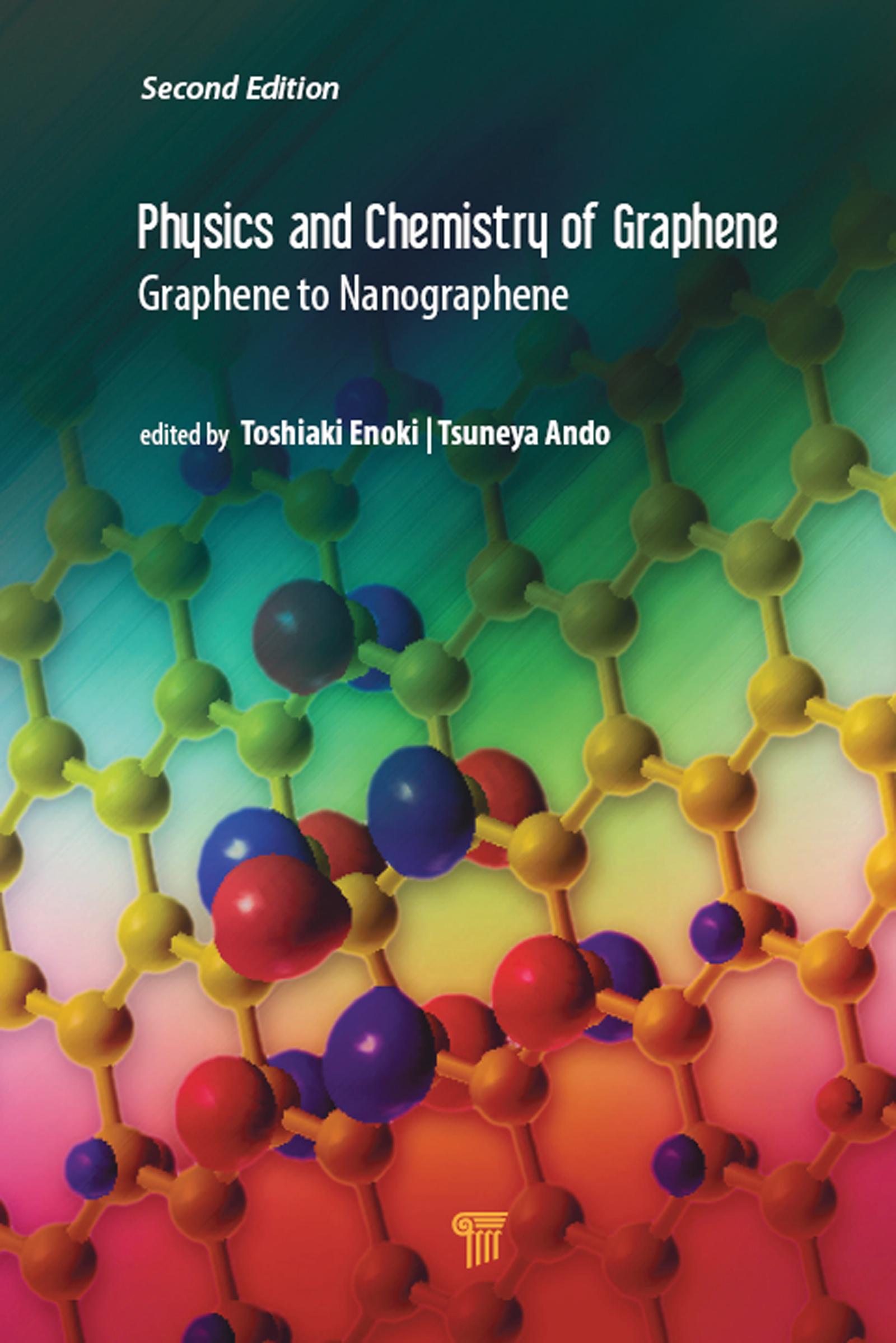
Graphene has been attracting growing attentions in physics, chemistry, and device applications after the discovery of micromechanically cleaved graphene sheet by A. Geim and K. Novoselov, who were awarded the 2010 Nobel Prize in Physics. The electronic structure of graphene, which is described in terms of massless Dirac fermions, brings about unconventional electronic properties, which are not only an important basic issue in condensed matter physics but also a promising target of cutting-edge electronics/spintronics device applications. Meanwhile, from chemistry aspect, graphene is the extreme of condensed polycyclic hydrocarbon molecules extrapolated to infinite size. Here, the concept on aromaticity, which organic chemists utilize, is applicable. Interesting issues appearing between physics and chemistry are pronounced in nanosized graphene (nanographene), as we recognize the importance of the shape of nanographene in understanding its electronic structure. This book comprehensively discusses the fundamental issues related to the electronic, magnetic, and chemical properties of condensed polycyclic hyodrocarbon molecules, nanographene, and graphene.
Betaal eenvoudig met kaart, Klarna, Apple Pay of Google Pay. Niet tevreden? Je hebt altijd 14 dagen bedenktijd. Lees meer in onze voorwaarden. Heb je vragen, mail ons dan via hello@memmo.org.
Memmo maakt studeren makkelijker – waar je ook bent ter wereld. Wij brengen je cursusboeken en slimme studietools samen op één plek: samenvattingen, quizzen, podcasts en flashcards. En Ted, je studievriend die antwoord geeft op alles wat je je afvraagt. Meer dan 50.000 studenten studeren hier al – gebouwd om je sneller te laten leren en minder stress te geven.