
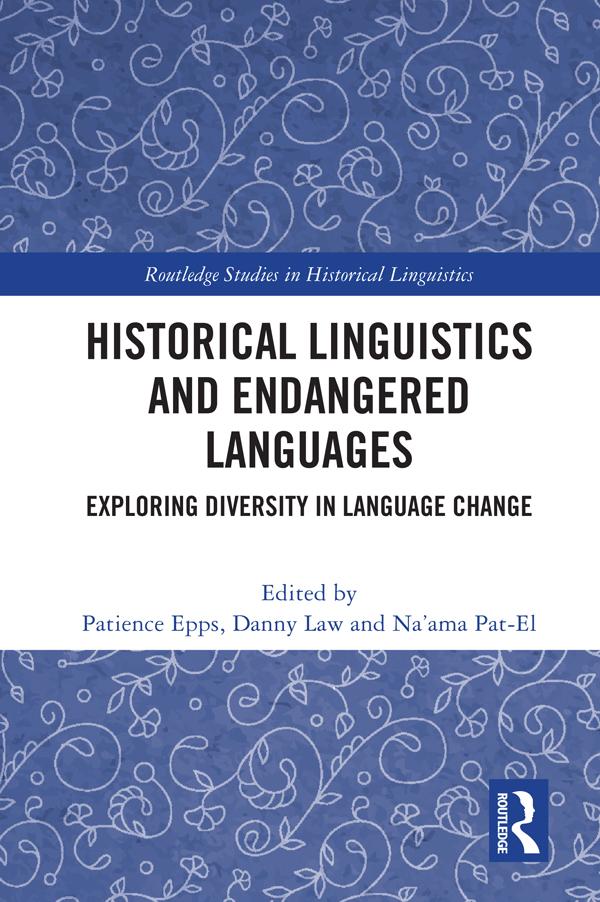
This collection showcases the contributions of the study of endangered and understudied languages to historical linguistic analysis, and the broader relevance of diachronic approaches toward developing better informed approaches to language documentation and description.
The volume brings together perspectives from both established and up-and-coming scholars and represents a globally and linguistically diverse range of languages.The collected papers demonstrate the ways in which endangered languages can challenge existing models of language change based on more commonly studied languages, and can generate innovative insights into linguistic phenomena such as pathways of grammaticalization, forms and dynamics of contact-driven change, and the diachronic relationship between lexical and grammatical categories. In so doing, the book highlights the idea that processes and outcomes of language change long held to be universally relevant may be more sensitive to cultural and typological variability than previously assumed.
Taken as a whole, this collection brings together perspectives from language documentation and historical linguistics to point the way forward for richer understandings of both language change and documentary-descriptive approaches, making this key reading for scholars in these fields.
Betaal eenvoudig met kaart, Klarna, Apple Pay of Google Pay. Niet tevreden? Je hebt altijd 14 dagen bedenktijd. Lees meer in onze voorwaarden. Heb je vragen, mail ons dan via hello@memmo.org.
Memmo maakt studeren makkelijker – waar je ook bent ter wereld. Wij brengen je cursusboeken en slimme studietools samen op één plek: samenvattingen, quizzen, podcasts en flashcards. En Ted, je studievriend die antwoord geeft op alles wat je je afvraagt. Meer dan 50.000 studenten studeren hier al – gebouwd om je sneller te laten leren en minder stress te geven.