
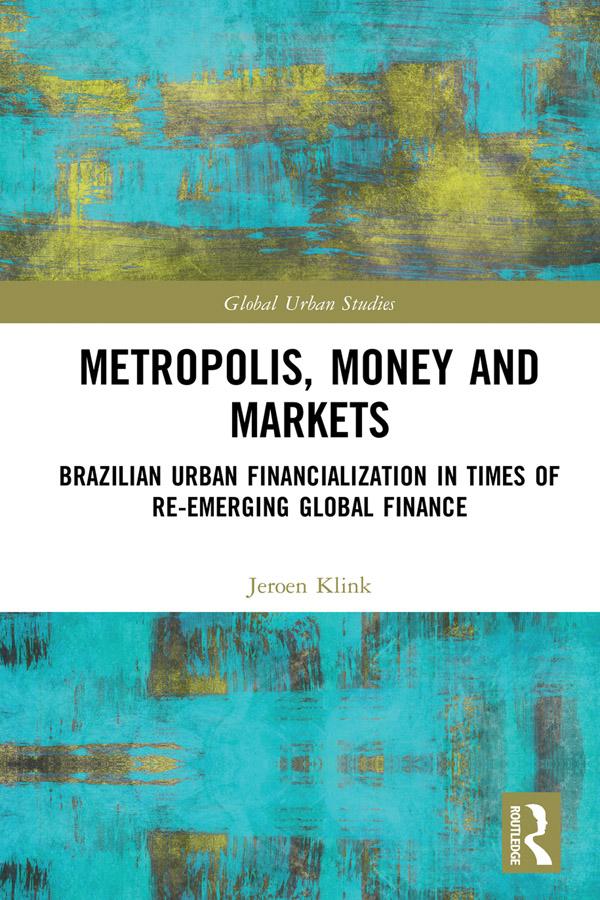
This book explores the impact of finance on urban spaces as well as cities' role in the social constitution and dissemination of financial logistics and techniques. It brings together literature from different disciplinary areas to increase our understanding of financialization.
It observes how non-financial members of society, such as public bureaucrats, urban planners, the media and so on, are actively involved in the financialization of urban areas. With an explicit focus on Brazil, a developing country in the Global South, the book demonstrates how the country has been grappling with complex and contradictory processes of neoliberalization, decentralization, re-democratization and institutional-legal strengthening of frameworks for urban and regional planning, stressing the relations between urban space and finance capital.
With a distinct view of filling a gap in the current literature on urban financialization, the book aims to focus on less developed areas in this field and link them with the literature on social studies of finance. This makes the text relevant for academics and scholars of urban studies and planning theory, geography, development studies and political economy, as well as scholars in the US and Europe interested in understanding Brazilian patterns of financialization.
Betaal eenvoudig met kaart, Klarna, Apple Pay of Google Pay. Niet tevreden? Je hebt altijd 14 dagen bedenktijd. Lees meer in onze voorwaarden. Heb je vragen, mail ons dan via hello@memmo.org.
Memmo maakt studeren makkelijker – waar je ook bent ter wereld. Wij brengen je cursusboeken en slimme studietools samen op één plek: samenvattingen, quizzen, podcasts en flashcards. En Ted, je studievriend die antwoord geeft op alles wat je je afvraagt. Meer dan 50.000 studenten studeren hier al – gebouwd om je sneller te laten leren en minder stress te geven.