
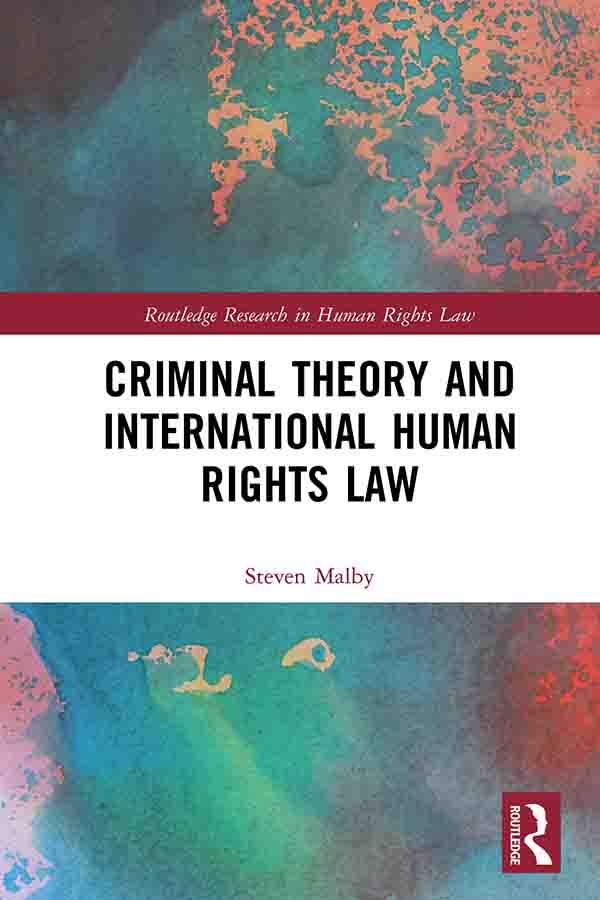
The development of an international human rights jurisprudence on criminalization is in its relative infancy. Nonetheless, systematic examination of international decisions on acts engaging the criminal law reveals an emerging human rights approach to the acceptability, or not, of criminalization. This book provides an in-depth characterization of the reasoning and principles that underpin those decisions.
The work builds upon and adds value to existing literature by bringing together two fields of study – international human rights law and criminal theory – that usually receive separate treatment. It provides an in-depth analysis of human rights criminalization jurisprudence and presents a systematic identification of underlying reasoning and concepts that influence international human rights decisions on criminalization. The work thus advances both fields independently, as well as providing an example of inter-(sub)disciplinary analysis.
The book will be a valuable resource for academics and students working in the areas of International Human Rights Law, Criminal Law, and Moral Philosophy.
Betaal eenvoudig met kaart, Klarna, Apple Pay of Google Pay. Niet tevreden? Je hebt altijd 14 dagen bedenktijd. Lees meer in onze voorwaarden. Heb je vragen, mail ons dan via hello@memmo.org.
Memmo maakt studeren makkelijker – waar je ook bent ter wereld. Wij brengen je cursusboeken en slimme studietools samen op één plek: samenvattingen, quizzen, podcasts en flashcards. En Ted, je studievriend die antwoord geeft op alles wat je je afvraagt. Meer dan 50.000 studenten studeren hier al – gebouwd om je sneller te laten leren en minder stress te geven.