
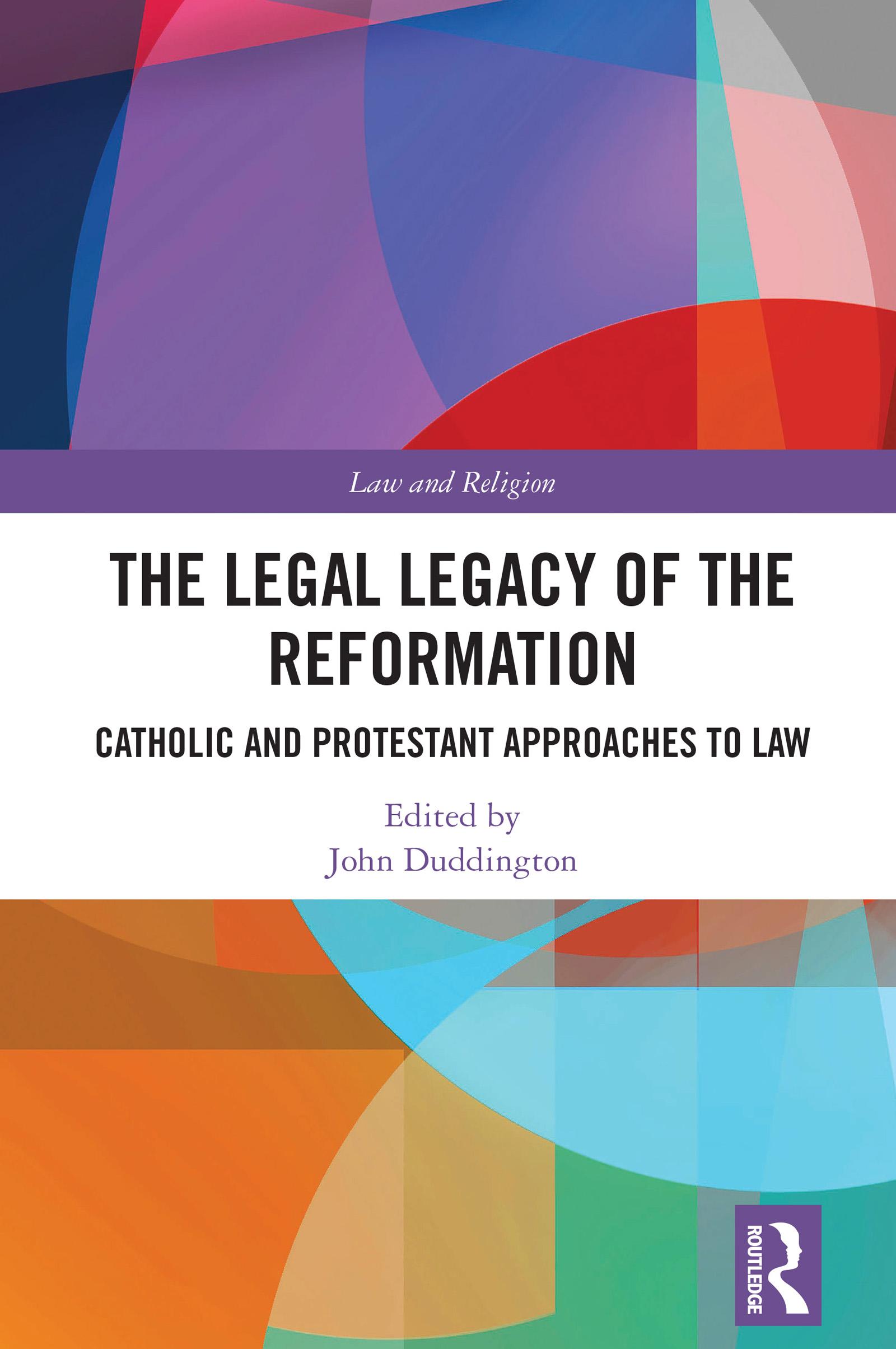
The growing interest in the relationship between religion and law is, in the case of Christianity, often viewed in monolithic terms. Moreover, the debate is often seen in terms of the relationship of Christianity to the state along with discussions about, for example, religious freedom. Christianity is often seen as responding to claims made on it by the state and by the growth of secularism.
This book takes a different approach. First, it makes the claim that Christianity has something of value to say about various pressing issues which are of direct relevance to contemporary society. Amongst these are the place of human rights and that of individual claims of conscience. Second, it does not regard Christianity as a monolithic whole but takes as its starting point the sundering of Christendom at the Reformation, which, it claims, led in many cases to divergent patterns of thought between Catholics and Protestants about law and its place in society. However, as this book shows, in many cases, Catholic and Protestant thinking on areas such as natural law is not as divergent as it is often thought.
Five hundred years after the Reformation, the work presents a reflection on the roots of Catholic and Protestant thinking on law and its place in society. It will be of interest to canon lawyers as well as academics and students of law and religion.
Betaal eenvoudig met kaart, Klarna, Apple Pay of Google Pay. Niet tevreden? Je hebt altijd 14 dagen bedenktijd. Lees meer in onze voorwaarden. Heb je vragen, mail ons dan via hello@memmo.org.
Memmo maakt studeren makkelijker – waar je ook bent ter wereld. Wij brengen je cursusboeken en slimme studietools samen op één plek: samenvattingen, quizzen, podcasts en flashcards. En Ted, je studievriend die antwoord geeft op alles wat je je afvraagt. Meer dan 50.000 studenten studeren hier al – gebouwd om je sneller te laten leren en minder stress te geven.