
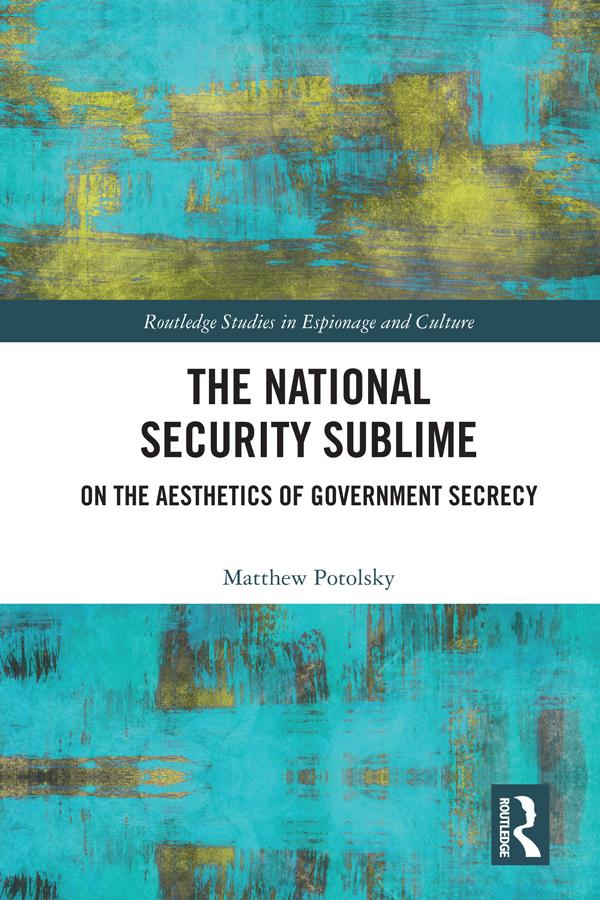
Why do recent depictions of government secrecy and surveillance so often use images suggesting massive size and scale: gigantic warehouses, remote black sites, numberless security cameras? Drawing on post-War American art, film, television, and fiction, Matthew Potolsky argues that the aesthetic of the sublime provides a privileged window into the nature of modern intelligence, a way of describing the curiously open secret of covert operations. The book tracks the development of the national security sublime from the Cold War to the War on Terror, and places it in a long history of efforts by artists and writers to represent political secrecy.
Betaal eenvoudig met kaart, Klarna, Apple Pay of Google Pay. Niet tevreden? Je hebt altijd 14 dagen bedenktijd. Lees meer in onze voorwaarden. Heb je vragen, mail ons dan via hello@memmo.org.
Memmo maakt studeren makkelijker – waar je ook bent ter wereld. Wij brengen je cursusboeken en slimme studietools samen op één plek: samenvattingen, quizzen, podcasts en flashcards. En Ted, je studievriend die antwoord geeft op alles wat je je afvraagt. Meer dan 50.000 studenten studeren hier al – gebouwd om je sneller te laten leren en minder stress te geven.