
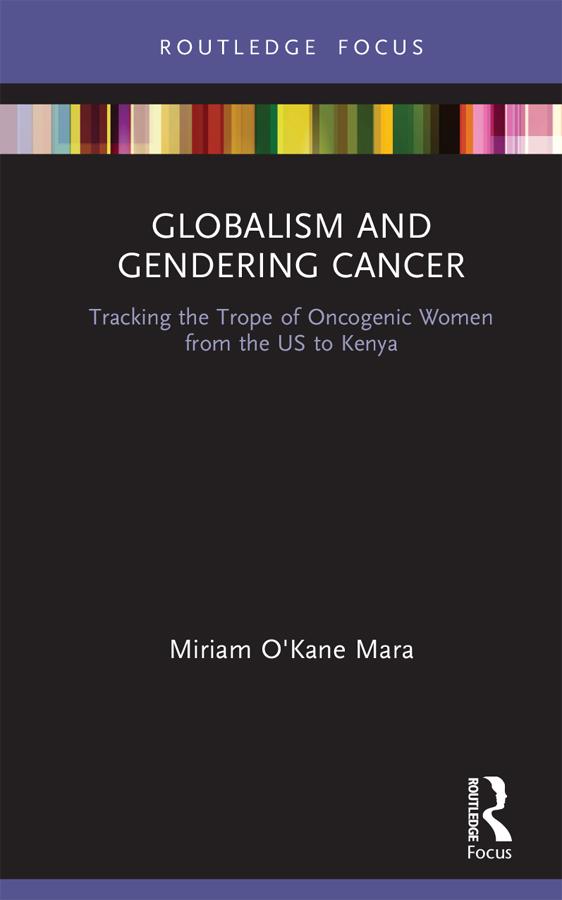
This book connects a rhetorical examination of medical and public health policy documents with a humanistic investigation of cultural texts to uncover the link between gendered representations of health and cancer.
The author argues that in western biomedical contexts cancer is considered a women’s disease and their bodies are treated as inherently oncogenic or cancer-producing, which leads to biomedical practices that adversely impact their bodily autonomy. She examines how these biases traverse national boundaries by examining the transmission of biomedical cancer practices from the US and international organizations to Kenya.
This book is suited to scholars and students working in the fields of Rhetorics of Health and Medicine, Medical Humanities and Gender Studies. It is also of interest to medical professionals and readers interested in globalism and global health.
Betaal eenvoudig met kaart, Klarna, Apple Pay of Google Pay. Niet tevreden? Je hebt altijd 14 dagen bedenktijd. Lees meer in onze voorwaarden. Heb je vragen, mail ons dan via hello@memmo.org.
Memmo maakt studeren makkelijker – waar je ook bent ter wereld. Wij brengen je cursusboeken en slimme studietools samen op één plek: samenvattingen, quizzen, podcasts en flashcards. En Ted, je studievriend die antwoord geeft op alles wat je je afvraagt. Meer dan 50.000 studenten studeren hier al – gebouwd om je sneller te laten leren en minder stress te geven.